10 Things to Check Before Buying Engagement Rings Under $2000
By Antique cut
3 Views
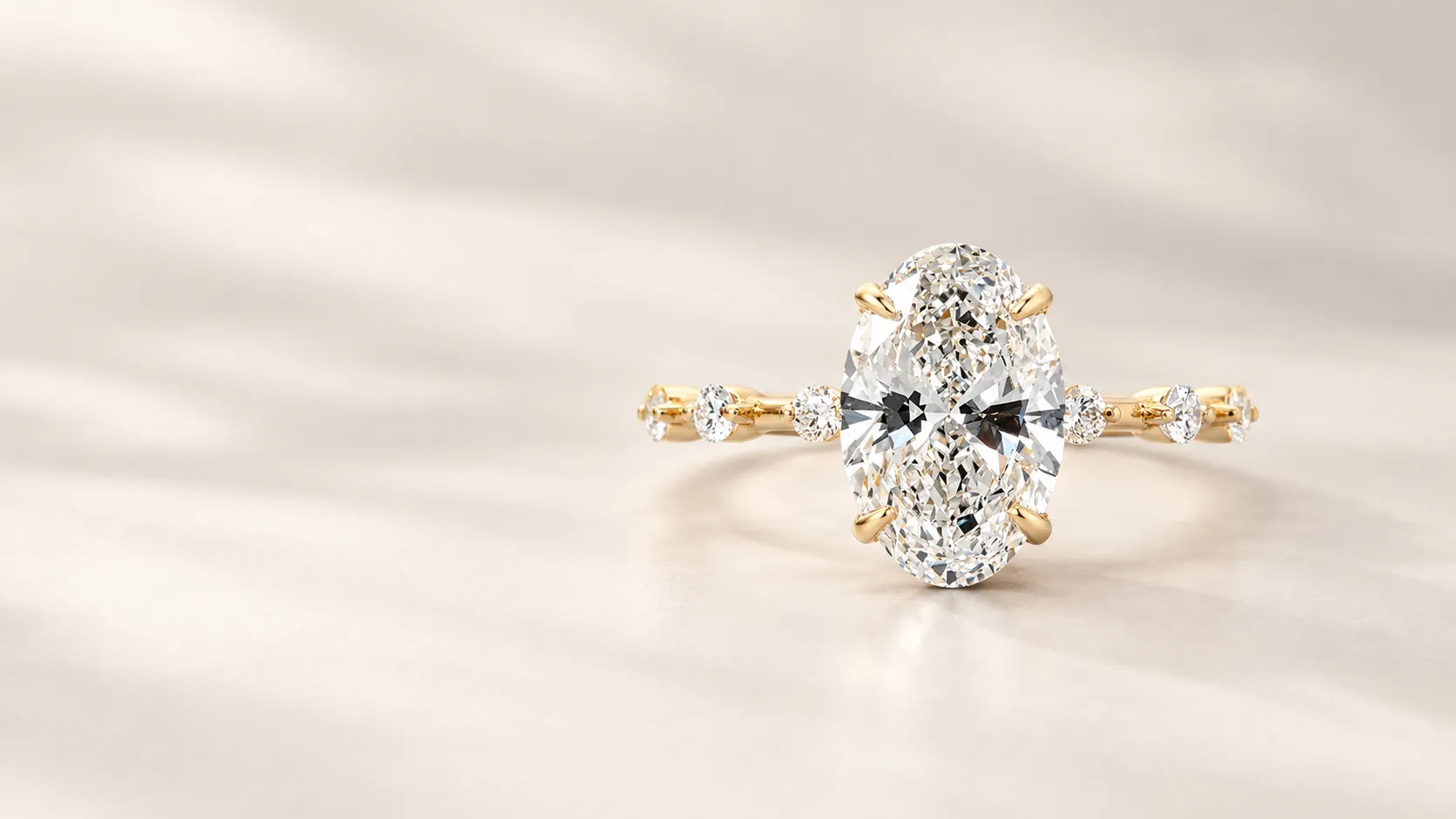
Buying an engagement ring is an important decision, especially when you want something beautiful without spending more than your budget allows. With many engagement rings under $2000 available today, shoppers can find a wide range of diamond shapes, settings, metals, and designs. However, price should not be the only thing you consider. Knowing what to check before placing an order can help you choose a ring that fits your budget, personal taste, and everyday needs.
A $2,000 budget can offer plenty of choices when you compare the diamond, setting, metal, certification, and overall construction carefully. Here are ten important things to check before buying.
1. Set Your Total Ring Budget First
Before looking at individual rings, decide how much you are comfortable spending overall. A $2,000 budget does not necessarily mean you need to spend exactly $2,000 on the ring itself.
Think about additional costs such as taxes, shipping, resizing, insurance, or future maintenance. If your maximum budget is strict, leave some room for these expenses.
Having a clear spending limit also makes shopping easier. Instead of comparing every ring available, you can focus on options that meet your financial requirements.
When searching for engagement rings under 2000, pay attention to the final checkout price rather than relying only on the advertised starting price.
2. Compare Diamond Shapes
The shape of the diamond can have a major effect on the appearance and price of an engagement ring. Popular choices include round, oval, pear, emerald, cushion, princess, and marquise shapes.
Round diamonds are often priced differently from other shapes because of their popularity and cutting requirements. Fancy shapes may provide another way to get a larger-looking stone within the same budget.
Consider the wearer's personal style before choosing a shape. If she prefers a longer-looking stone, an oval or pear shape may be worth considering. If she prefers a traditional appearance, a round diamond may be a better match.
There is no single diamond shape that works for everyone, so compare several options before making your decision.
3. Look Closely at Diamond Quality
Carat weight is only one part of a diamond's value. You should also consider the four Cs: cut, color, clarity, and carat.
Cut affects how well the diamond interacts with light and can have a significant impact on its appearance.
Color refers to how much body color can be seen in a diamond. Some shoppers prefer a very white appearance, while others are comfortable with warmer tones.
Clarity describes the presence of internal or external characteristics. A diamond does not necessarily need the highest clarity grade to look attractive to the naked eye.
Carat refers to the diamond's weight, not its physical size alone.
For diamond engagement rings under $2000, balancing these four factors can help you get better overall value rather than spending most of your budget on carat weight alone.
4. Check Whether the Diamond Is Lab-Grown or Natural
Another important consideration is the type of diamond you want.
Lab-grown diamonds have the same basic chemical composition and crystal structure as natural diamonds, but they are created in controlled laboratory environments. Natural diamonds are formed through geological processes over very long periods.
Lab-grown diamonds can offer shoppers more flexibility within a fixed budget. Depending on the specific stone and specifications, your budget may allow you to consider a larger or higher-grade lab-grown diamond.
If you are comparing diamond rings under 2000, check the product information carefully to understand whether the diamond is lab-grown or natural and what certification accompanies it.
The right choice depends on your priorities, so compare both options before deciding.
5. Check the Metal Used for the Ring
The metal is another feature that should not be overlooked. Common choices include yellow gold, white gold, rose gold, and platinum.
Each metal has its own appearance, care requirements, durability, and price. For example, platinum is known for its durability but can cost more than many gold options. Gold is available in different karat levels, with 14K and 18K being common choices for jewelry.
Think about the jewelry the recipient already wears. If she usually wears yellow gold, a yellow-gold engagement ring may fit naturally with her existing collection. If she prefers white metals, white gold or platinum may be more suitable.
Checking the metal before purchasing also helps you understand whether the listed price fits your expectations.
6. Examine the Ring Setting
The setting holds the diamond in place and contributes greatly to the ring's overall appearance. Popular settings include solitaire, halo, three-stone, bezel, and pavé styles.
A solitaire setting places most of the attention on the center stone. A halo setting surrounds the main diamond with smaller stones. A bezel setting uses a metal rim around the diamond, which can provide additional protection around the stone's edges.
If the ring will be worn every day, consider how the setting fits the recipient's lifestyle. Someone who works with their hands frequently may prefer a design with fewer exposed edges.
When reviewing engagement rings for women under $2000, do not judge a ring only from its front view. Look at the side profile and inspect how securely the center diamond is held.
7. Confirm the Ring Size
A beautiful ring will not be comfortable if the size is wrong.
If the proposal is a surprise, finding the correct ring size can require some creativity. You might discreetly check the size of a ring she already wears on the same finger or ask a close friend or family member for help.
If you cannot determine the exact size, check whether the seller provides resizing services or offers a ring-sizing policy.
Also remember that different ring designs can feel different on the finger. Wider bands may fit more snugly than narrow bands, while certain settings can affect how the ring sits.
Before purchasing, review the seller's sizing information rather than assuming standard sizing will work.
8. Look for a Diamond Certificate
A diamond certificate can provide important information about the stone's characteristics. Depending on the diamond, the grading report may include details about carat weight, measurements, color, clarity, cut, and other characteristics.
If certification is included, check which gemological laboratory issued the report and make sure the information matches the diamond being sold.
For buyers considering a 2000 engagement ring, certification can make it easier to compare different diamonds based on documented specifications rather than photographs or descriptions alone.
If a listing provides limited information about the center diamond, ask the seller for clarification before purchasing.
9. Read the Return and Warranty Policies
Do not skip the policies just because you like the ring.
Before ordering, check the return period, conditions for returns, resizing terms, warranty coverage, and any exclusions. Some customized rings may have different return conditions from standard designs.
Also check whether the seller provides support after the purchase. This can matter if you need assistance with sizing, maintenance, repairs, or another issue.
For online shoppers, the return policy is particularly important because the ring may look different in person from how it appears on a screen.
A clear policy gives you a better understanding of what happens if the ring does not meet your expectations.
10. Compare the Overall Value
Once you have checked the diamond, setting, metal, certification, sizing, and policies, compare the complete package.
Two rings can have similar prices but very different specifications. One might have a larger diamond but a simpler setting, while another might feature a smaller center stone with additional diamonds around the band.
Do not automatically assume the ring with the largest carat weight is the best choice. Consider what matters most to the person who will wear it.
You can also shop engagement rings under $2000 from different collections and compare their specifications side by side. This approach can help you understand what your budget can provide and prevent you from making a rushed decision.
How to Get More From a $2,000 Engagement Ring Budget
A fixed budget does not mean you have to settle for a ring you do not love. The key is deciding which features matter most.
For example, if the center diamond is the priority, you might choose a simpler setting. If the overall design is more important, a smaller center stone with additional detailing may be a better fit.
You can also compare different diamond shapes. Some shapes may offer more visual size for the price than others. Looking beyond the most popular option can give you additional choices.
Another approach is to consider lab-grown diamonds. They can provide another route for shoppers who want specific diamond characteristics while staying within a $2,000 budget.
The goal is not simply to find the biggest stone possible. It is to find a ring where the diamond, setting, metal, craftsmanship, and design all work well together.
Think About Everyday Wear
An engagement ring is generally worn frequently, so practicality matters.
Consider the recipient's daily routine. Does she work with her hands? Does she exercise regularly? Does she prefer simple jewelry or more detailed designs?
A lower-profile setting may be convenient for someone who wants a ring that does not catch easily on clothing. A protective setting can also be worth considering for an active lifestyle.
At the same time, personal taste should remain central to your decision. The best ring is one that suits both the person's style and the way she lives.
Why Research Matters Before Buying
Online jewelry shopping gives buyers access to many options, but it also means you need to pay attention to product details.
Look beyond the product photograph. Review the diamond specifications, metal type, setting details, certification, sizing information, shipping terms, return policy, and warranty.
Antiquecut is one option shoppers can consider when researching lab-grown diamond engagement ring styles and comparing designs within different budgets.
Taking a little extra time to research can help you feel more confident about your purchase.
Final Thoughts
Choosing an engagement ring with a $2,000 budget is entirely possible when you know what to look for. Start by setting your total budget, then compare diamond shapes, the four Cs, diamond type, metal, setting, certification, ring size, and seller policies.
Most importantly, think about the person who will wear the ring. Her style, daily routine, preferred metal, and favorite diamond shape should influence your decision as much as the price.
Whether you are comparing engagement rings under 2000, looking specifically at engagement rings for women under $2000, or searching for a particular 2000 engagement ring, careful research can help you find a ring that feels right without going beyond your budget.