AC Installation in Fort Worth: Costs, Timelines, and What You Need to Know
By Thomas Walker
4 Views
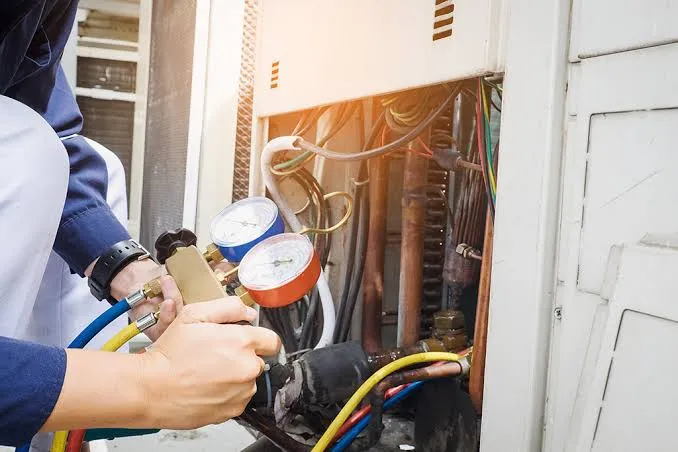
Installing a new air conditioning system is a significant investment for homeowners in Fort Worth, Texas. With long summers and periods of intense heat, a dependable cooling system is essential for maintaining a comfortable indoor environment. Whether your existing unit has reached the end of its useful life or you are installing air conditioning in a home for the first time, understanding the cost, installation timeline, and equipment options can help you plan confidently. Professional air conditioning installation Fort Worth services can help ensure that your new system is properly sized, correctly installed, and prepared to handle the demands of North Texas weather.
The installation process involves more than purchasing an air conditioner and connecting it to your home's electrical system. Contractors must evaluate cooling requirements, inspect existing ductwork, select compatible equipment, and test the completed installation. Project costs and timelines vary depending on the size of your home, the type of system, and whether additional work is required. Learning what influences these factors can help you compare estimates, avoid unexpected expenses, and make a well-informed decision about your home's long-term cooling needs.
How Much Does AC Installation Cost in Fort Worth?
The cost of installing a new air conditioner in Fort Worth depends on the equipment selected and the complexity of the project. As a general planning estimate, a conventional central air conditioning replacement may cost approximately $6,000 to $13,000 or more, although some straightforward projects may fall outside this range. A complete HVAC replacement involving heating equipment, extensive ductwork modifications, or electrical upgrades can cost considerably more. These figures are estimates rather than guaranteed prices, so homeowners should request a detailed quote based on their property's specific requirements.
Several factors influence the final installation price. Larger homes may require higher-capacity equipment, while high-efficiency systems and variable-speed technology often have higher initial costs than basic models. The condition of the existing ductwork, accessibility of the indoor and outdoor units, electrical requirements, permit fees, and removal of old equipment can also affect the total. If your home does not already have suitable ductwork, installing a central system may require substantial additional labor and materials. Understanding these factors makes it easier to compare contractors' estimates fairly.
When evaluating air conditioning installation Fort Worth options, ask for a written estimate that identifies the equipment, labor, removal and disposal, permit responsibilities, startup testing, and applicable warranties. Make sure the quote explains whether any ductwork or electrical work is included. If a contractor recommends additional work after inspecting your property, request an explanation of why it is necessary and how it affects the price. Comparing detailed estimates from multiple qualified providers can help you find a suitable balance between upfront cost, equipment quality, and expected operating expenses.
What Factors Affect the Installation Price?
The type of air conditioning system you choose has a significant influence on installation costs. Central air conditioners are common in homes with existing ductwork, while ductless mini-split systems can be useful for individual rooms, additions, or properties without conventional ducts. Heat pumps provide both cooling and heating, making them another option worth considering. Each system has different equipment requirements, installation procedures, and operating characteristics, so the best choice depends on your home's layout, comfort needs, and budget.
Equipment capacity and energy efficiency also affect the total investment. An appropriately sized system should be selected through a professional cooling-load calculation that considers insulation, window exposure, air leakage, ceiling height, and other building characteristics. Choosing a unit solely by square footage can result in poor performance if the system is oversized or undersized. Higher-efficiency equipment may cost more initially, but its potential operating savings depend on local weather, electricity rates, thermostat settings, and how the system is used. A qualified contractor can explain these trade-offs without promising savings that cannot be guaranteed.
Existing infrastructure is another important consideration. If your ductwork is in good condition and your electrical setup is suitable, replacing an old system may involve less work than installing central air for the first time. Damaged ducts, inadequate electrical service, drainage problems, or difficult equipment access can increase project costs. Ask the contractor to inspect these areas before finalizing the estimate. Understanding the complete scope of work helps you budget more accurately and reduces the likelihood of unexpected charges once installation begins.
How Long Does AC Installation Usually Take?
Many straightforward air conditioner replacements can be completed within one working day, provided the existing infrastructure is suitable and the equipment is available. The process generally includes removing the old unit, preparing the installation area, positioning the new equipment, connecting the required components, and testing the system. However, not every project follows the same schedule. A larger home, difficult equipment access, unexpected damage, or additional work may extend the installation into a second day or longer.
A first-time central air installation often takes longer because the contractor may need to install ductwork, create equipment access points, modify electrical connections, or complete additional building work. Projects involving multiple ductless indoor units can also require extra time depending on the number of rooms and the routing of refrigerant lines. Permit requirements and inspections may influence the overall project schedule as well. Before work begins, ask the contractor for an estimated start date, expected completion window, and an explanation of any factors that could cause delays.
Preparing your home can help the installation proceed more smoothly. Clear access to the indoor unit, outdoor condenser location, attic, utility areas, and electrical panel where needed. Move fragile belongings away from work areas and make arrangements to keep children and pets away from equipment and tools. Ask whether your cooling system will be unavailable during the installation and plan accordingly, especially during hot weather. A contractor who communicates clearly about scheduling and preparation can help you understand what to expect throughout the project.
What Happens During the Installation Process?
The first step is a professional assessment of your home and its cooling requirements. The contractor should evaluate the building's characteristics, inspect existing equipment, and determine whether the ductwork can support the proposed system. A cooling-load calculation helps establish the appropriate capacity rather than relying only on the size of the previous unit. During this stage, you can discuss comfort concerns, thermostat preferences, efficiency goals, and any rooms that have historically been difficult to cool.
After the equipment is selected, technicians prepare the installation area and remove the old system if necessary. They then position the new indoor and outdoor components, connect the appropriate electrical and refrigerant lines, and establish condensate drainage. Any required ductwork modifications should be completed as part of the agreed scope. Refrigerant handling and electrical work must be performed using appropriate procedures and equipment. Proper installation practices are essential because incorrect connections, restricted airflow, or an improperly charged system can affect performance and reliability.
Once the equipment is installed, the technician should test the system and verify that it operates according to the manufacturer's requirements. This may include checking thermostat operation, airflow, electrical connections, refrigerant charge, and condensate drainage. The installer should also explain how to operate the thermostat, replace the air filter, and maintain the system. Before approving the completed work, obtain your equipment documentation, warranty information, and a record of the services performed. These details are useful if the system needs future maintenance or warranty assistance.
How to Choose a Reliable AC Installation Contractor
Choosing a qualified contractor is just as important as selecting the right equipment. Look for a company with appropriate Texas licensing, relevant installation experience, suitable insurance, and a clear approach to estimating and completing the work. Ask whether the contractor performs cooling-load calculations, inspects ductwork, and tests the system after installation. You should also understand the manufacturer's equipment warranty and any separate workmanship warranty offered by the company. These details can help you assess the quality of the service rather than focusing entirely on price.
Homeowners searching for emergency hvac repair near me may be dealing with an air conditioner that has suddenly stopped working during hot weather. In that situation, ask whether the company offers emergency diagnostic services and whether it can also evaluate replacement options if the existing system is beyond economical repair. Emergency repair and full installation are different services, so clarify the expected charges and whether a diagnostic fee applies. If a replacement is recommended, request a written explanation of the problem and compare repair costs with the cost of installing a new system before making a decision.
A trustworthy contractor should explain the available options, provide a clear estimate, and give you time to understand the proposed work. Be cautious of high-pressure sales tactics, vague pricing, or recommendations that do not include a proper assessment of your home. Customer reviews and personal referrals can provide additional insight, but they should be considered alongside verified credentials and written service terms. Taking time to compare providers can help you choose an installation professional who prioritizes appropriate equipment selection, safe workmanship, and dependable customer service.
Ways to Prepare for Installation and Control Long-Term Costs
Planning ahead can make your air conditioning installation more manageable. If your current unit is aging or experiencing recurring problems, obtaining estimates before peak summer demand may give you greater flexibility when comparing equipment and scheduling contractors. Review your budget and consider the difference between basic and higher-efficiency systems, including their expected operating costs. Ask about available financing options or verified utility incentives if relevant, but confirm eligibility and terms before including potential savings in your budget.
After installation, routine maintenance can help protect the performance of your new system. Replace or clean filters according to the manufacturer's instructions, keep the outdoor condenser free from leaves and debris, and make sure indoor vents remain unobstructed. Arrange professional maintenance as recommended to evaluate airflow, coils, electrical components, and drainage. Regular care cannot eliminate every possible malfunction, but it can help identify developing concerns and reduce avoidable strain on system components.
It is also important to pay attention to changes in system performance. Weak airflow, unusual noises, repeated shutdowns, water leaks, or insufficient cooling can indicate a problem that deserves investigation. If the system stops working during extreme heat, promptly seek qualified assistance rather than attempting repairs involving electrical components or refrigerant. Searching for emergency hvac repair near me can help you identify providers to evaluate an urgent problem, but always check qualifications, service availability, and after-hours charges before authorizing work.
Plan Your Fort Worth AC Installation With Confidence
Installing a new air conditioner involves several decisions, from choosing the appropriate equipment and estimating costs to scheduling the work and verifying its performance. Fort Worth homeowners should consider the property's cooling requirements, existing ductwork, equipment efficiency, and long-term operating expenses before committing to a particular system. A detailed assessment and written estimate provide a clearer understanding of what the project includes and help reduce surprises during installation.
When arranging air conditioning installation Fort Worth services, prioritize correct system sizing, qualified workmanship, transparent pricing, and thorough startup testing. Ask the contractor to explain the recommended equipment, expected timeline, permit requirements, and warranty coverage before work begins. If an existing unit has failed unexpectedly, consider whether a professional repair is practical or whether replacement offers better long-term value. An informed decision can help you balance immediate costs with the comfort and reliability your household needs.
With careful planning and professional installation, your new cooling system can provide dependable comfort through North Texas summers. Keep your equipment maintained, follow the manufacturer's recommendations, and address unusual symptoms before they develop into more serious problems. Understanding installation costs and timelines makes it easier to prepare your home and budget appropriately. By choosing a qualified contractor and focusing on proper installation rather than price alone, you can make a confident investment in your home's cooling performance.