Best Engagement Ring Styles Under $4,000 With Lab-Grown Diamonds
By Antique cut
47 Views
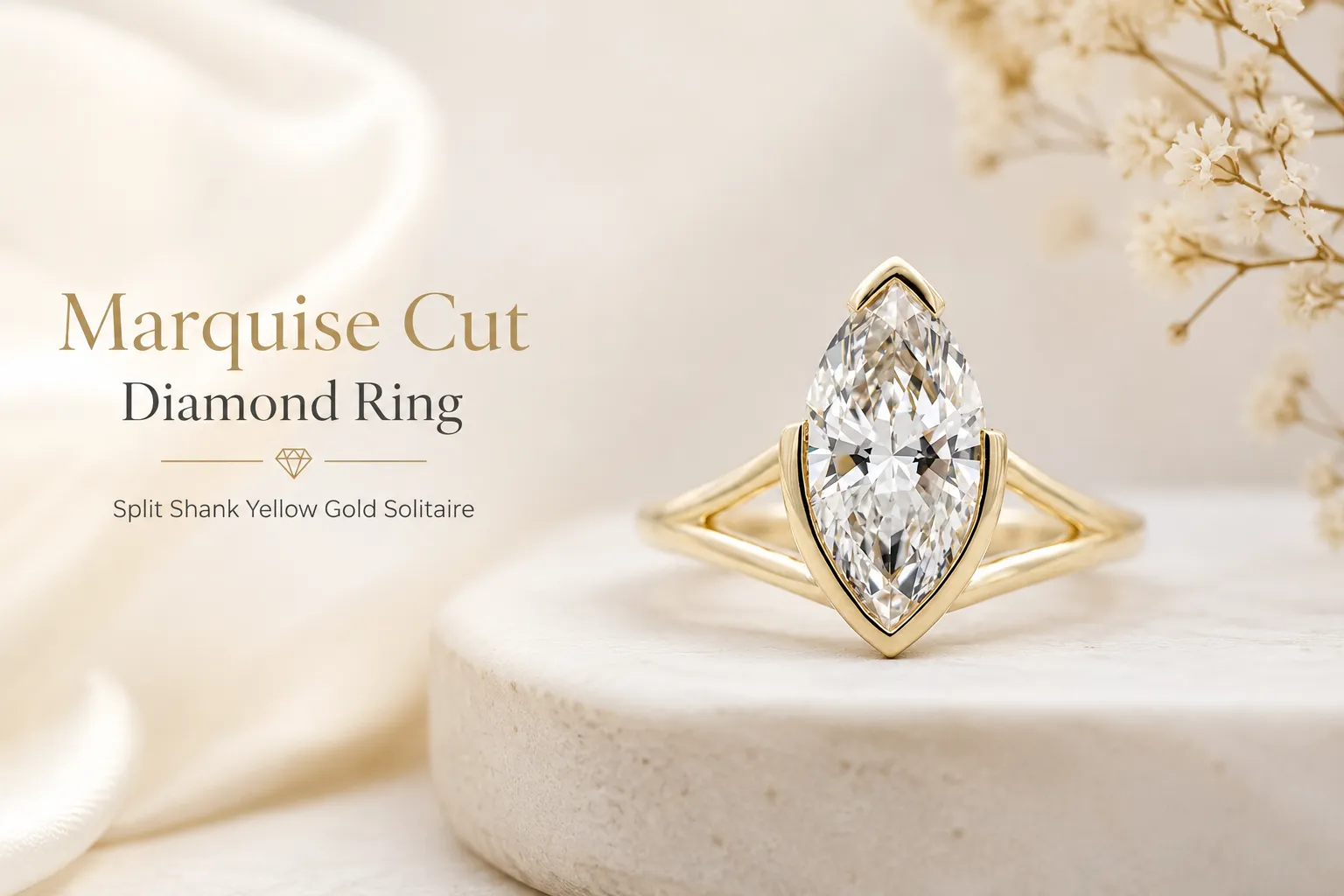
Choosing an engagement ring is a personal decision, but it does not have to come with an enormous price tag. Lab-grown diamonds have opened up more choices for couples who want a well-made ring while keeping their budget under control. From classic solitaires to detailed hidden halo designs, there are plenty of lab-grown diamond ring options under $4,000 worth considering.
A thoughtful ring should fit the wearer's style, feel comfortable for everyday use, and leave enough room in the budget for other wedding expenses. With the right combination of diamond shape, setting, metal, and craftsmanship, a $4,000 budget can go a long way.
Why Consider a Lab-Grown Diamond?
Lab-grown diamonds have the same basic chemical composition and crystal structure as mined diamonds. They are created in controlled laboratory environments using technology that recreates the conditions required for diamond formation.
For engagement rings, one of the main advantages is price. A lab-grown stone can allow shoppers to consider a larger center diamond or a more detailed setting without moving far beyond their budget.
This makes lab grown diamond rings under $4000 an appealing option for couples who want to balance the center stone with the overall design.
Before buying, it is still worth checking the diamond's grading report, cut quality, color, clarity, and measurements. Looking beyond carat weight can help you choose a stone that performs well when viewed in everyday lighting.
1. Classic Solitaire Rings
A solitaire remains one of the easiest styles to wear. The design usually features a single center diamond held by a simple four- or six-prong setting.
The clean structure puts attention on the center stone, which makes the diamond's cut especially important. Round, oval, pear, and cushion shapes can all work well in a solitaire setting.
For a budget of $4,000, a lab-grown center stone can provide flexibility when selecting the carat size and setting material. If the recipient prefers simple jewelry, a solitaire can be a practical choice that works with different wedding band styles.
2. Hidden Halo Engagement Rings
A hidden halo adds a row of smaller diamonds beneath the center stone rather than placing them directly around its visible edge. From the top, the design can look fairly understated, while a side view reveals additional detail.
So, where to find elegant hidden halo rings under $4,000? Look for jewelers offering lab-grown center stones and compare the full ring specifications rather than focusing only on the center diamond's carat weight.
The hidden halo can also give the setting additional visual interest without requiring a large number of diamonds around the top of the center stone. It is a useful option for someone who likes small details but does not want an overly busy ring.
3. Oval-Cut Lab-Grown Diamond Rings
Oval diamonds are a popular choice for engagement rings because their elongated shape can create a longer visual line across the finger. They can be set east-west for a less traditional appearance or north-south for a classic look.
When comparing oval stones, pay attention to their length-to-width ratio and how the stone looks face-up. Two diamonds with the same carat weight can appear quite different because their proportions vary.
For shoppers searching for affordable lab grown diamond engagement rings, an oval center can offer plenty of design possibilities within a $4,000 budget.
4. Three-Stone Rings
Three-stone rings feature a larger center diamond accompanied by two side stones. The design has a traditional engagement-ring appearance while giving the setting more presence.
The side stones can be round, pear, or other shapes depending on the design. For a controlled budget, choosing smaller lab-grown side diamonds can help keep the overall cost manageable.
Three-stone designs are particularly suitable for someone who likes a ring with more detail than a solitaire but still wants a recognizable engagement-ring silhouette.
5. Cushion-Cut Rings
Cushion-cut diamonds combine rounded corners with a square or rectangular outline. They can have either a classic brilliant appearance or a softer, more vintage-inspired look depending on the cut.
A cushion center works well with plain bands, pavé settings, and halo designs. It can also be paired with yellow gold, white gold, or platinum depending on the desired appearance.
When shopping for best engagement rings under $4000, consider the shape first and then compare individual stones based on cut quality and proportions.
6. Pear-Shaped Engagement Rings
Pear-shaped diamonds have a rounded end and a pointed tip. They can create a distinctive look without requiring an elaborate setting.
The point should normally be protected with a well-designed prong because it is more exposed than the rounded portions of the stone. A jeweler can help determine whether the setting provides adequate protection.
A pear diamond can also be worn with the point facing either toward or away from the hand, giving the wearer some flexibility in how the ring looks.
7. Affordable Custom-Made Diamond Rings
A custom ring does not necessarily mean an unlimited budget. If the design is kept relatively simple and the center stone is lab-grown, there can be room for customization without exceeding $4,000.
For affordable custom-made diamond rings under $4,000, start by deciding which elements matter most. You might prioritize the diamond shape, metal type, band width, setting style, or a particular detail such as a hidden halo.
Instead of adding every possible feature, choose one or two details that make the ring feel personal. This approach can produce a ring that looks considered without making the design unnecessarily complicated.
How to Get More From a $4,000 Budget
The center diamond is only one part of the ring's total cost. The setting, side stones, metal, craftsmanship, and any customization can all affect the final price.
Here are a few ways to make the budget work harder:
- Compare diamonds by cut, not carat weight alone.
- Consider oval, cushion, pear, or emerald shapes alongside round diamonds.
- Decide whether platinum is necessary or whether another metal suits the budget.
- Compare simple settings with highly detailed designs.
- Check the diamond's grading report before purchasing.
- Review the complete ring price rather than judging the center stone separately.
- Ask about resizing, maintenance, warranties, and return policies.
If you already know the preferred diamond shape, it can also help to explore collection of lab-grown diamond rings under $4,000 before narrowing down individual designs.
8. Vintage-Inspired Rings
Vintage-inspired engagement rings can include milgrain edges, engraved details, floral motifs, or smaller accent diamonds. These elements can make a ring feel distinctive without requiring a very large center stone.
If the recipient enjoys jewelry with an old-fashioned character, look for designs that use the setting to create visual detail. A smaller center diamond can still look substantial when the surrounding design is carefully proportioned.
One important point is maintenance. Detailed settings can require more attention during cleaning and inspection, so ask the jeweler about care requirements before buying.
9. Antique-Style Details With a Lab-Grown Center
Another option is to combine a lab-grown center diamond with an antique-inspired setting. This gives you control over the center stone while allowing the band and setting to carry much of the design character.
If you are considering antiquecut styles, compare the shape, proportions, metal, and setting details carefully. The goal should be to find a design that suits the wearer rather than choosing a style simply because it is popular.
What Should You Check Before Buying?
A lower price should not mean overlooking the fundamentals. Before ordering an engagement ring, check the following:
Diamond certification: Look for a reputable grading report that identifies the diamond and provides its characteristics.
Cut quality: Cut has a major effect on how a diamond handles light. A higher carat weight does not automatically mean a better-looking stone.
Setting security: Check the prongs and how securely the center diamond is held.
Metal: Choose a metal based on appearance, durability, personal preference, and budget.
Ring size: If possible, confirm the correct size before ordering. Ask about resizing if the size is uncertain.
Return policy: Read the conditions carefully, particularly for custom-made rings.
Warranty and care: Find out what is covered and whether inspections or cleaning services are available.
Finding the Right Style for the Wearer
The best ring is not necessarily the one with the largest diamond. Think about the jewelry the recipient already wears. Do they prefer simple pieces or detailed designs? Do they usually wear yellow gold, white metals, or mixed metals? Would they be comfortable with a taller setting, or would a low-profile ring be more practical?
These details can narrow down the options quickly.
For someone who likes understated jewelry, a solitaire may be the right fit. Someone who enjoys additional detail may prefer a hidden halo or three-stone design. If they favor unusual shapes, an oval or pear center can provide a different look without requiring a complicated setting.
Final Thoughts
A $4,000 engagement-ring budget can offer plenty of choices when you consider lab-grown diamonds. From classic solitaires and oval-cut rings to hidden halos, three-stone designs, and custom settings, there are several ways to build a ring around the wearer's personal style.
The key is to compare the complete ring rather than chasing a single specification. Check the diamond's quality, review the setting, understand the return policy, and make sure the final design feels right for everyday wear.
With careful comparison, lab-grown diamond ring options under $4,000 can provide a practical path to finding a well-designed engagement ring without stretching the budget beyond what feels comfortable.