Creating a Student-Centric Experience – What Educational Institutions Can Do
By Tiffani Leilah
15 Views
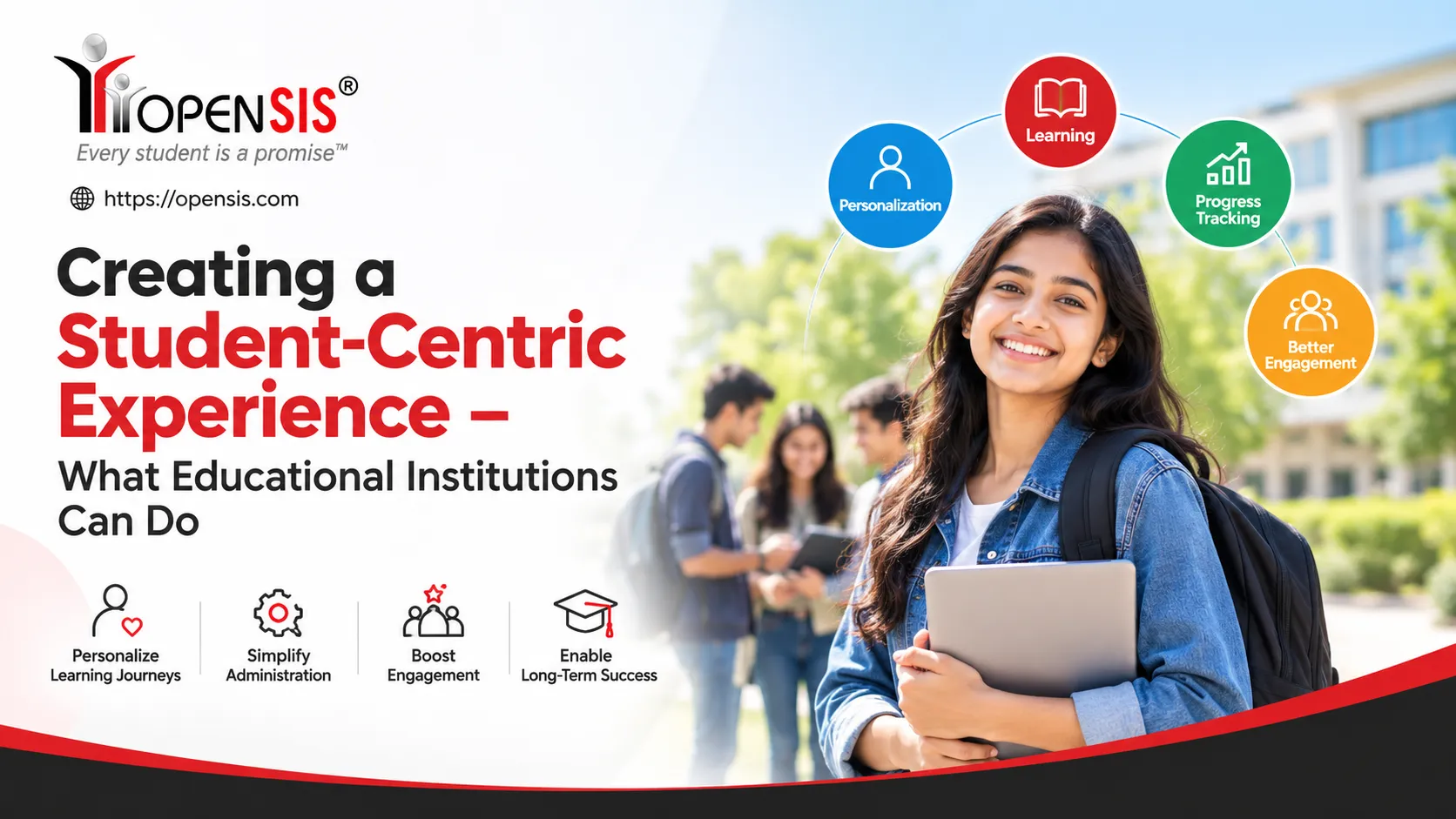
A student-centric institution may sound simple. It may be interpreted as students coming first, hearing them out, and offering better support. However, student-centric is much deeper than that. However, when the time comes to offer student-centric services, friction usually begins. Institutions have multiple systems handling different aspects of the student journey. Different platforms manage different tasks. This is why, when schools attempt to offer a student-focused service, they usually face a multitude of challenges. If you have to explore ten different places for one piece of information, a student-first service will go through many delays. This is why integrated systems are becoming essential for schools. An LMS-integrated student information system not only centralizes data, but also works perfectly well with the existing software systems.
Understanding Student-Centric – What It Is
Being student-centric does not mean accepting all the requests students make. It means designing a process that monitors the student journey. It includes looking at some practical things –
- How easy is it to find information?
- Can students find information on their own?
- Can they complete common tasks?
- Does the school have enough resources to offer relevant support?
- Are school departments connected?
This is where QuickBooks school ERP integration systems like openSIS become important. These systems can offer the underlying infrastructure for managing core student information. Using AI-powered student information systems, you can build a robust centralized data platform for institutional growth and student engagement.
Student Journey Is The Focus Here
A student’s education journey has multiple aspects. The classroom is only a part of the journey. To monitor a student’s entire educational progress, you need to pay attention to –
- Their engagement in school activities
- Their interactions with other students
- Their participation in classroom questions
- Their interest in different subjects
- Their attendance and regularity
- Their behavior in school
Grade is important. But grades do not tell the whole story. To build a student-centric education system, you need to look at the whole picture. You need to understand both the strengths and weaknesses of the students. If a student needs assistance but is too shy to ask for it, leaders need to notice the struggle. Early intervention is the core of a student-centric institution.
A digital tool works as the connector between different departments. A modern LMS integrated student information system can bring together course information with other student data. Once you have everything in front of you, pattern recognition becomes easier. This is useful because, over time, schools are growing, student numbers are growing, courses are multiplying, and classrooms are expanding. Managing all these together requires smart backend support with the ability to assess and generate without making any delay.
Less Repetition – Better Experience
Schools, when operated under a traditional system, use multiple data storage ecosystems. They manage spreadsheets, files, multiple software systems, and even email trails for information. This often leads to data misplacement. As a result, students are often asked to submit information multiple times.
A disconnected data system can make students repeat information. Under a student-centric operation, student data is handled differently. Centralization is the main objective here. A well-implemented LMS integrated student information system not only gathers information in one place, but also processes the collected information for pattern reading and trend recognition. It makes operations faster and reduces the risk of data misplacement and human errors.
Offering Students A View Of Their Academic Journey
Under a system that follows a student-first rule, students don’t have to wait to view their records. Data needs to be easily accessible to the students. However, a fragmented data system can make viewing data a difficult task. This is where modern QuickBooks school ERP integration systems become essential. These systems offer –
- Current enrollment status
- Course schedule records
- Attendance records
- Grade records
- Academic history
- Academic progression record
When all these are placed on one dashboard, students can access their data without having to request anyone. SIS does not treat every academic event as a separate transaction. It connects everything together, so that real-time visibility becomes possible.
LMS + SIS – Connected Learning
LMS and SIS perform different tasks. LMS deals with courses. It looks after the assignments, quizzes, and course activities. In other words, LMS is the institutional digital learning environment.
SIS has a different landscape altogether. It deals with student data. SIS manages the core student information ecosystem for better education and early intervention. Modern SIS platforms can easily integrate with LMS. The connected systems allow information to move smoothly. This creates data continuity.
SIS Deals With Students
A well-designed LMS integrated student information system knows the students. SIS monitors attendance, grades, student behavior, and engagement. Therefore, if you look closely, you will find that SIS platforms, with their AI-powered insights, operate on a broad perspective.
When used right, SIS can become a powerful tool for
- Real-time data visibility
- Data processing
- Data analysis
- Data report
Overall, SIS manages the whole data ecosystem for modern schools.
Lastly,
Finance is an essential part of school operations. The QuickBooks school ERP integration systems can connect financial data to the school dashboard. It makes the monitoring task easier to handle.
FAQ
1. What does a student-centric experience mean?
A student-centric experience puts the student's needs, journey, accessibility, and support at the center of institutional processes and technology.
2. How can a Student Information System improve the student experience?
A Student Information System centralizes student information and streamlines academic and administrative workflows, making information easier to access and processes easier to navigate.
3. Why is data integration important for student-centric institutions?
Data integration allows relevant information to move between systems, reducing duplication, improving visibility, and creating a more connected student experience.
4. What is an LMS integrated student information system?
An LMS integrated student information system connects learning activity with core student and academic records to provide greater continuity across the student journey.
5. How do LMS and SIS work together?
An LMS manages learning activities and course content, while an SIS manages broader student information, with integration allowing the two systems to exchange relevant data.