Bezel Set Engagement Rings: What You Need to Know
By Antique cut
5 Views
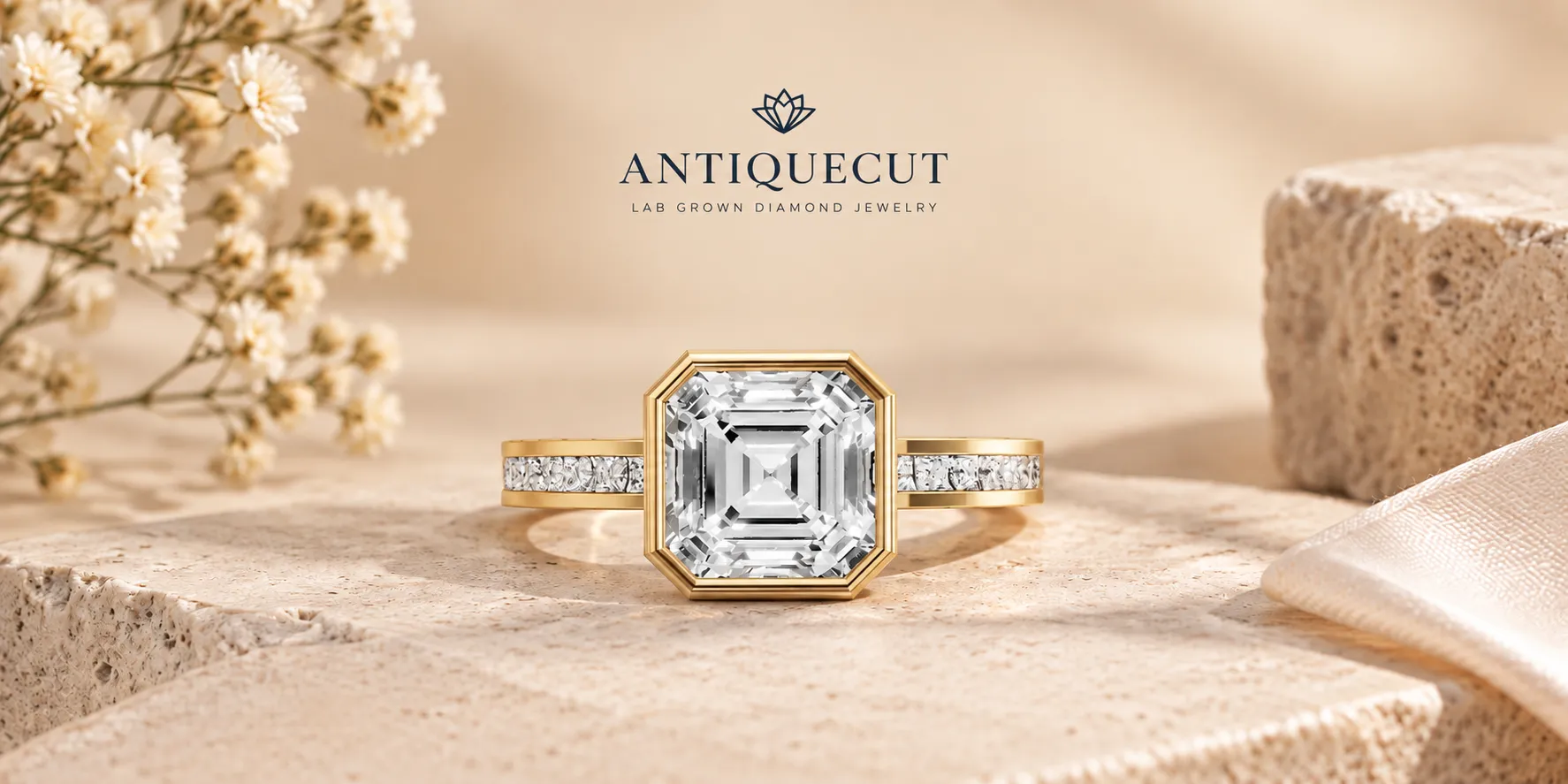
Choosing an engagement ring involves more than picking a diamond shape. The way the stone is held in place can change the appearance, comfort, and everyday practicality of the ring. Bezel engagement rings are a popular choice for people who want a secure setting with a clean outline around the center stone. Instead of using individual prongs, a thin metal rim surrounds the diamond and holds it securely.
This type of setting works with several diamond shapes and can be designed in different ways, from simple solitaires to rings with additional stones along the band. Understanding how the setting works can make it easier to decide whether it fits your preferences.
What Is a Bezel Setting?
A bezel setting uses a metal rim that surrounds the edge of a gemstone. The rim extends slightly over the stone's edge, keeping it in place. Unlike a traditional prong setting, there are no individual claws holding the diamond at separate points.
The metal can surround the entire stone or cover selected sections depending on the design. A full bezel is often used for a clean, enclosed look, while partial bezel designs leave more of the diamond exposed.
Because the metal follows the shape of the stone, the setting can look different with every diamond shape. Round, oval, pear, emerald, marquise, and other cuts can all be paired with a bezel design.
Why Choose Bezel Set Engagement Rings?
One of the main reasons people choose bezel set engagement rings is the secure construction. The surrounding metal helps protect the outer edge of the diamond from direct contact with objects.
This can be useful for someone who wears their ring regularly and wants a setting that works well with an active routine. The smooth outer edge also means there are fewer raised parts that can catch on clothing, hair, or other materials.
Another benefit is the defined shape created around the center stone. The metal border creates a clear outline, giving the diamond a distinct presence on the finger.
Bezel Diamond Engagement Ring: What Makes It Different?
A bezel diamond engagement ring places the diamond inside a metal frame rather than relying on prongs. This changes both the appearance and the structure of the ring.
With a prong setting, more of the diamond is exposed because the stone is held at several small points. With a bezel, some of the diamond's outer edge is covered by metal.
The amount of coverage depends on the design. A well-made bezel should hold the stone securely without unnecessarily covering the visible portion of the diamond.
The metal frame can also create a strong contrast with the center stone. White gold or platinum can create a close-toned appearance around a white diamond, while yellow or rose gold can create a noticeable difference between the metal and the stone.
Different Styles of Bezel Rings
Bezel rings are not limited to one particular appearance. The setting can be incorporated into several engagement ring designs.
Bezel Solitaire Engagement Ring
A bezel solitaire engagement ring keeps the focus on one center stone. There are usually no side diamonds competing for attention, making the center diamond the main feature.
This style can work particularly well for people who prefer a straightforward ring with fewer details. The bezel adds structure around the diamond while the solitaire design keeps the overall ring uncluttered.
Round and oval diamonds are common choices, but other shapes can also work with this setting.
Partial Bezel Setting
A partial bezel does not completely surround the diamond. Instead, sections of metal hold the stone while leaving more of its edges visible.
This approach can provide some of the structure associated with a bezel while allowing additional light and more of the diamond's outline to remain visible.
The exact design varies considerably between rings, so it is worth looking closely at how the metal meets the stone before choosing one.
Bezel Rings With Side Stones
A bezel center stone can also be paired with diamonds along the shoulders of the band. These smaller stones can add detail while keeping the center diamond securely framed.
Side stones may be arranged in several ways, including a row along the upper band or smaller accent stones near the center setting.
Bezel East-West Rings
An east-west design places an elongated diamond horizontally across the finger instead of vertically.
This can create a different appearance from the usual orientation and works particularly well with shapes such as oval, emerald, or marquise diamonds.
For someone looking for unique bezel engagement rings, an east-west arrangement can be an interesting option without changing the basic structure of the bezel setting.
Choosing the Right Diamond Shape
The diamond shape is one of the most important decisions when selecting a bezel ring.
Round Diamond
Round diamonds have a balanced outline and can work well with both full and partial bezels. The surrounding metal follows the circular shape naturally.
Oval Diamond
An oval diamond can give the ring a longer visual line across the finger. An oval bezel setting can also emphasize the stone's elongated outline.
Emerald Cut
Emerald-cut diamonds have long, straight edges and clipped corners. A bezel can follow these lines closely, creating a structured appearance around the stone.
Pear Diamond
Pear-shaped diamonds combine a rounded end with a pointed tip. A bezel designed for this shape needs to follow the outline carefully, particularly around the point.
Marquise Diamond
The narrow ends of a marquise diamond create a distinctive outline. A bezel can emphasize that shape while helping protect the pointed tips.
Are Bezel Rings Secure?
A properly made bezel setting can provide strong protection for the diamond because the metal surrounds its outer edge.
However, the quality of the craftsmanship still matters. The bezel should fit the stone correctly, and the metal should hold the diamond firmly without creating unnecessary pressure.
When buying a ring, check how evenly the metal meets the diamond. There should not be obvious gaps between the stone and its setting.
It is also useful to have the ring inspected periodically, particularly if it is worn every day. Regular checks can help identify any changes in the setting before they become a larger issue.
Lab Grown Bezel Engagement Ring Options
A lab grown bezel engagement ring combines the structure of a bezel setting with a laboratory-grown diamond.
Lab-grown diamonds have the same basic chemical composition and crystal structure as diamonds formed naturally underground. They are available in many of the same shapes, sizes, and quality ranges, giving buyers a broad selection when designing a bezel ring.
When choosing a lab-grown diamond, consider the same factors you would examine with any diamond, including cut quality, color, clarity, carat weight, and certification.
The setting should also be considered alongside the diamond. Since a bezel covers part of the stone's edge, selecting the right proportions between the stone and metal can make a noticeable difference to the final appearance.
Metal Choices for Bezel Rings
The metal can influence the overall character of a bezel engagement ring.
White gold offers a bright, neutral appearance that works naturally with many white diamonds.
Yellow gold provides a warmer contrast around the center stone and can give the ring a traditional jewelry appearance.
Rose gold has a pink-toned color that creates a softer contrast with the diamond.
Platinum is another option for buyers who want a naturally white precious metal with a substantial feel.
When selecting the metal, consider your existing jewelry as well as your preferred color. Some people like their engagement ring to match their wedding band, while others prefer a contrast between the two.
How to Choose the Right Bezel Engagement Ring
Before buying, consider how you normally wear your jewelry. If you work with your hands frequently or prefer rings with fewer raised elements, the smooth profile of a bezel may be worth considering.
Next, decide on the diamond shape and size. The proportions of the center stone can influence how much metal surrounds it and how the finished ring sits on your finger.
You should also consider the band width. A narrow band can create a lighter appearance, while a wider band can give the ring a stronger presence.
If you are comparing different designs, shop bezel diamond engagement ring based on the complete setting rather than focusing only on the center diamond. Look at the profile, metal coverage, band design, stone proportions, and overall construction.
What to Look for When Buying
A few details deserve attention before placing an order:
- Check the diamond's certification when one is provided.
- Look closely at the bezel's fit around the center stone.
- Compare the width and thickness of the band.
- Confirm the ring size before ordering.
- Review the metal type and purity.
- Check whether the design can be resized.
- Ask about maintenance and future inspections.
- Look at the ring from both the top and side.
These details can help you understand what you are actually purchasing rather than choosing a ring based only on a product photograph.
Bezel Engagement Rings and Everyday Wear
The practical side of a ring is important because an engagement ring may be worn for many years.
A bezel has a relatively smooth surface compared with many raised prong settings. This can make it less likely to catch on fabrics or hair.
The surrounding metal can also help shield the diamond's outer edge from everyday contact. However, no setting makes a diamond completely immune to damage. The ring should still be removed when performing activities that could place excessive force on the setting.
Routine cleaning is also important. Dirt and residue can collect around the area where the metal meets the stone. A gentle cleaning method recommended by your jeweler can help keep the ring in good condition.
Where Bezel Rings Fit Into Different Ring Styles
One advantage of the bezel setting is its flexibility. It can be used in simple solitaire designs, rings with side stones, geometric designs, east-west arrangements, and other custom combinations.
For buyers who want something less common than a traditional prong setting, bezel construction provides a different starting point without requiring an unusual diamond shape.
At Antiquecut, bezel designs can be considered alongside different diamond shapes and ring styles when looking for a setting that suits personal preferences.
Final Thoughts
Bezel engagement rings offer a combination of secure stone placement, a smooth profile, and a clearly defined outline around the center diamond. They can be made with many diamond shapes, metals, and band designs, making the setting suitable for a wide range of preferences.
Whether you prefer a simple bezel solitaire engagement ring, a design with side stones, or a lab grown bezel engagement ring, it is worth paying attention to the fit of the metal around the stone and the proportions of the complete ring.
Taking time to compare the setting, diamond shape, metal, band, and everyday practicality can help you find a ring that feels right for both your personal style and your daily routine.