Boost System Reliability with a High-Performance Contactor Pilot Card
By George Philips
2 Views
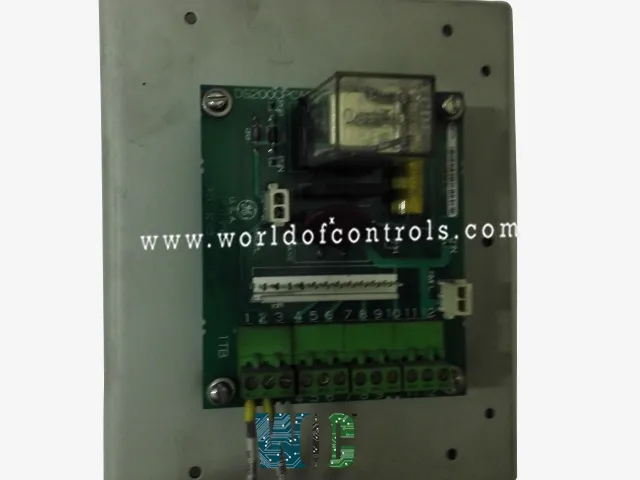
In the turbine industry, reliability is more than a goal—it's a non-negotiable standard. Turbine systems, often operating in critical environments like power plants and industrial facilities, demand components that deliver consistent performance under pressure. One such unsung hero is the contactor pilot card. Though small in size, it plays a powerful role in the safe and efficient operation of turbine control systems.
This article explores how a high-performance contactor pilot card enhances system reliability, with a particular focus on its role within turbine applications and industrial control systems developed by GE.
What is a Contactor Pilot Card?
A contactor pilot card is an essential part of industrial control systems. Its primary function is to manage and control contactors—electromechanical switches used to control high-voltage circuits from low-voltage control signals. These cards translate signals from the turbine control system into precise commands that activate or deactivate contactors at the right time.
Essentially, the pilot card acts as the intermediary between the turbine's brain (the control system) and its muscles (the contactors), ensuring smooth, accurate, and safe operation.
Why It Matters in Turbine Systems
1. Stability in High-Stakes Environments
Turbines are high-demand systems where even minor fluctuations can lead to inefficiencies or downtime. A high-performance pilot card ensures that contactors are triggered exactly when needed, maintaining system balance and preventing overloads or electrical anomalies.
2. Minimized Downtime
Advanced pilot cards are equipped with diagnostic capabilities that allow operators to monitor the health and status of their contactors in real-time. This quick detection of anomalies or failures means issues can be addressed swiftly—often before they lead to full-blown malfunctions.
3. Enhanced Safety and Control
Turbine systems operate at high voltage and under intense mechanical loads. Pilot cards help implement safety interlocks and feedback systems, preventing potentially dangerous misoperations. This layer of protection is vital in industrial and power-generation environments.
4. Support for Predictive Maintenance
Modern contactor pilot cards can integrate into digital control systems, supporting predictive maintenance strategies. By tracking operating conditions, wear, and signal integrity, these cards help maintenance teams plan interventions before failures occur—saving time and reducing costs.
Designed for GE Turbine Control Systems
GE turbine control platforms, such as the Mark series, are known for their robustness and precision. The contactor pilot cards designed for these systems are optimized for compatibility, ensuring seamless communication across components. Their engineering reflects the demanding needs of turbine operations, including rapid response times, electrical noise filtering, and rugged durability.
When installed in GE turbine systems, these pilot cards enhance overall responsiveness, reduce fault propagation, and contribute to smoother, more reliable turbine operation.
Long-Term Benefits
Though often overshadowed by more prominent components like actuators or controllers, a high-quality contactor pilot card offers considerable long-term value:
- Greater Uptime: Reducing electrical faults and improving control timing keeps turbines operational for longer periods.
- Improved Efficiency: Precise control leads to better energy use and smoother turbine performance.
- Lower Maintenance Costs: Early fault detection and predictive maintenance capabilities help avoid costly emergency repairs.
- System Longevity: Reduced wear on contactors and supporting components translates into longer-lasting infrastructure.
Conclusion
In the turbine industry, every component matters—especially those responsible for bridging control systems and high-voltage equipment. A high-performance contactor pilot card offers the kind of reliability, safety, and diagnostic intelligence that modern turbine systems require.
Whether you're upgrading existing infrastructure or maintaining a critical power-generation asset, investing in a reliable contactor pilot card is a smart move toward greater operational stability. It's a small component with a big impact, quietly working behind the scenes to keep turbines running safely and efficiently.