Can Regular Facade Maintenance Reduce Long-Term Commercial Property Costs?
By Aleksandra Palmer
8 Views
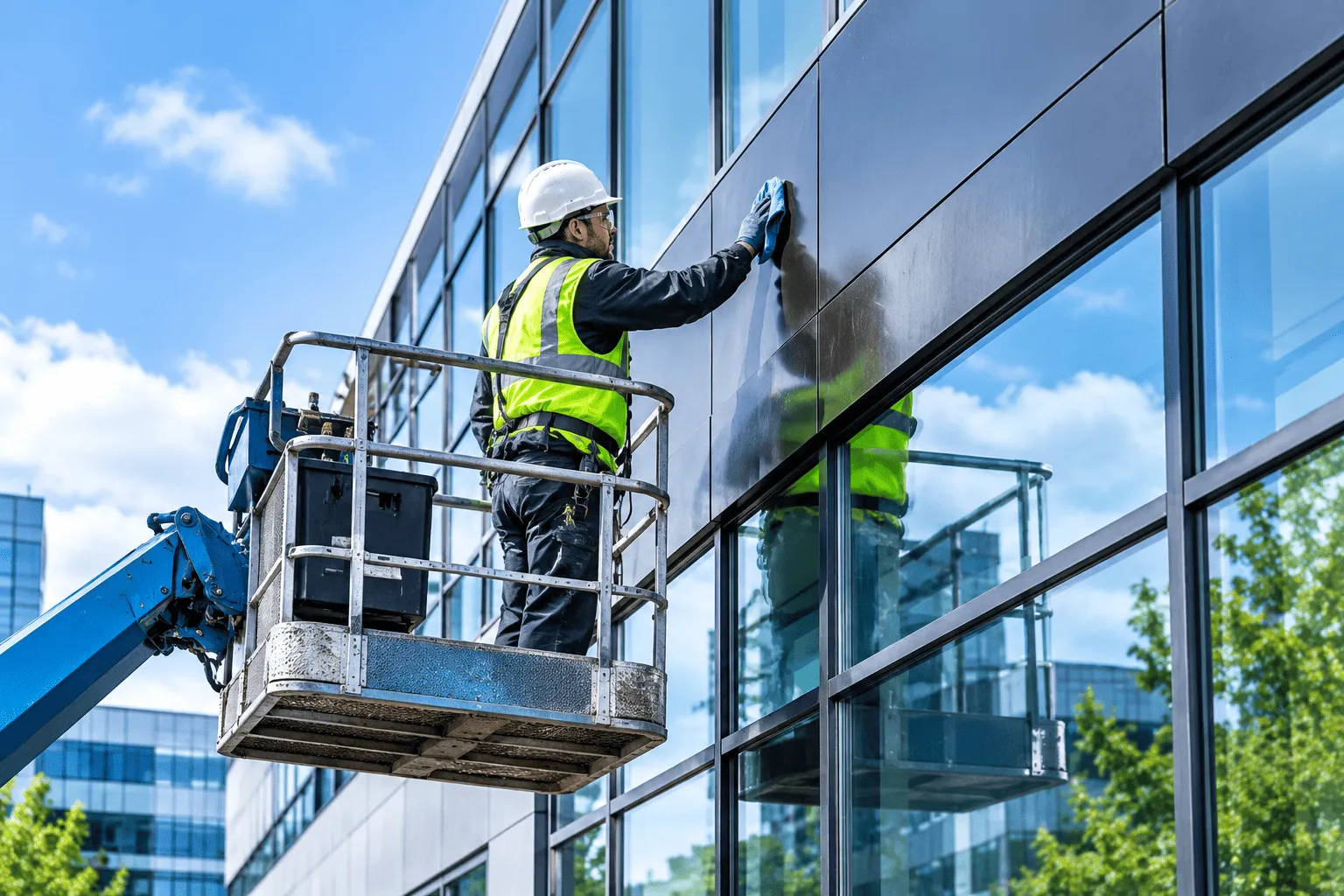
Maintaining a commercial building is more than just keeping it visually appealing. Regular facade maintenance helps shield the structure, stop those very expensive repairs, boost energy efficiency, and keep the property’s long-term worth where it should be. For retail stores, offices, shopping centres and other commercial premises, a well-kept exterior also creates a good first impression for customers, visitors, basically everyone.
From architectural steelwork to shopfront cladding, the different pieces of a building’s outer side really need ongoing checking and care. Fixing small defects early can prevent major structural headaches, and it can lower those ongoing maintenance expenses too. Still, you might wonder how much of a difference a planned maintenance strategy can actually make.
Why Is Regular Facade Maintenance Important for Commercial Buildings?
A building’s facade works like its first line of defence against rain, wind, temperature swings, pollution, and a bunch of other environmental factors. Over time, these things lead to surface breakdown, corrosion, water ingress, and damage to exterior finishes.
If you do not do routine inspections, minor problems can quietly grow into costly ones. For example, a small crack in a facade joint can let moisture in, which can then damage internal walls, insulation, and decorative finishes. That’s what usually becomes painful later.
Regular commercial facade maintenance helps property owners spot these issues before they need large-scale repairs. It also supports building safety, maintains visual appeal, and helps businesses avoid unnecessary disruption.
A preventive maintenance plan usually covers cleaning, checking sealants, inspecting exterior finishes, and taking a close look at structural components for early signs of deterioration.
How Can Architectural Steelwork Reduce Structural Maintenance Costs?
Quietly, architectural steelwork can really cut down structural upkeep costs. In modern commercial buildings, it does two things at once, supporting structural integrity while also fitting into the contemporary look people want. You see steel components in all sorts of places, like entrance structures, canopies, frames, supports, and even those decorative exterior features that make a façade feel more alive.
Even if steel is tough and long-lasting, it still does not love being left alone where moisture, grime, or air pollutants hang around. Over time, if the protective coatings get scratched or somehow fail, corrosion can start. That is why regular inspections matter. They help spot rust early, coating issues, loose connections, and other faults before they turn into bigger problems.
When suitable protective coatings are applied and corrosion is handled at an early stage, the service life of those steel elements can be extended quite a bit.
Keeping architectural steelwork in good condition also lowers the odds of premature replacement. For property owners, that often means refurbishment budgets stay calmer instead of getting hit by sudden replacement costs. Still, if there is structural damage, it should never be treated like a simple cosmetic thing.
Can Shop Front Cladding Improve Durability and Reduce Repair Expenses?
While making commercial premises look better, shopfront cladding also shields the outer surfaces from everyday wear. You can get it in multiple materials, colours, and finishes, so businesses often tune their shopfront design to match their brand identity and vibe.
Still, cladding will slowly lose its edge when it’s left facing harsh weather, urban pollution, accidental impact, or when upkeep is a bit less than ideal.
Doing regular checks matters a lot. Early inspections help spot issues before they become a bigger problem. Cleaning the cladding using the right approach, confirming the fixings are secure, and keeping the joints in good shape can help it stay both functional and good-looking.
When the deterioration becomes more obvious, fixing only certain areas may end up being cheaper than replacing the whole installation.
For commercial property owners, keeping shopfront cladding maintained ahead of time helps protect the building envelope, keeps the frontage appealing, and cuts down on refurbishment expenses that could have been avoided.
When Should You Consider Shop Front Recoating?
When the existing exterior finishes look faded, scratched, weathered, or even a bit discoloured, shopfront recoating can be a pretty practical option. So rather than swapping out the entire shop front, a professional recoating can bring it back to life and add that extra protective layer too. It is often useful for retail businesses that want to modernise their premises without getting into a full exterior replacement type of situation.
Recoating can bring a few benefits, like lower refurbishment costs: restoring suitable existing surfaces may be less expensive than replacing them outright. Then improved appearance, because fresh coatings help the shopfront look cleaner and more professional overall. Plus surface protection, since the right coating systems can help defend against weathering and corrosion. And reduced disruption: depending on the job, shopfront recoating might be completed with less disturbance than larger replacement work.
Of course, whether recoating really works well depends on things like correct surface preparation, choosing suitable coating systems, and getting the application done professionally.
Any damaged substrate, corrosion, or loose components really should be dealt with before new coatings go on.
How Does Curtain Wall Repair Prevent Expensive Building Damage?
Commonly, curtain wall repairs are seen on modern offices, commercial developments, and retail buildings. These non-load-bearing exterior systems usually rely on glass, metal framing, seals, and connections, all designed to protect the building from external conditions.
Over time, though, sealant deterioration, damaged glazing components, loose fittings, and water leaks can start undermining curtain wall performance. If those issues are left alone, moisture can end up getting in, and that can then damage internal finishes, insulation, or whatever sits behind the facade.
Timely curtain wall repair helps restore the system’s performance and stops minor defects from turning into bigger, more expensive remedial work. Depending on what is wrong, repairs may include replacing failed sealants, sorting out damaged components, correcting localised water ingress, or repairing deteriorated framing finishes.
Regular inspections matter a lot too, especially for buildings with lots of glazing, where leaks and defective joints can be tricky to spot from inside. And since curtain wall repairs can involve working at height, along with specialist glazing parts, they really should be carried out by appropriately qualified professionals.
Can Facade Maintenance Increase Commercial Property Value?
Honestly, a clean, maintained exterior tends to boost the way the place looks, and that often feeds into how tenants, customers, investors, and prospective buyers actually think about the property. When the surface feels looked after, it can seem more reliable, like the whole asset is being managed properly.
On the other hand, if you can see deterioration, it can quietly turn into more worries about hidden defects or about what repairs might still be coming later. But if maintenance is documented, and there’s proof of refurbishment happening on time, it gives a clearer story to anyone reviewing the building.
Plus, taking care of architectural steelwork, fixing curtain wall defects, and restoring shopfront finishes can help keep both the building’s performance and its appearance on track.
So, while maintenance by itself never offers a full guarantee of higher property value, it can support asset preservation, lower the odds of worsening conditions, and improve the overall presentation of the building.
Conclusion
Regular facade maintenance is a fair and practical way to handle the long-term cost of commercial property. By catching defects early, owners can reduce the likelihood of bigger repairs later, protect important building elements, and keep the exterior looking professional, as it should be.
From architectural steelwork inspections and shopfront cladding upkeep to shopfront recoating and curtain wall repair, each little task builds toward a more efficient maintenance plan.
Instead of waiting until visible damage turns into a major issue, commercial property owners should prioritise planned inspections and get timely professional repairs in place.