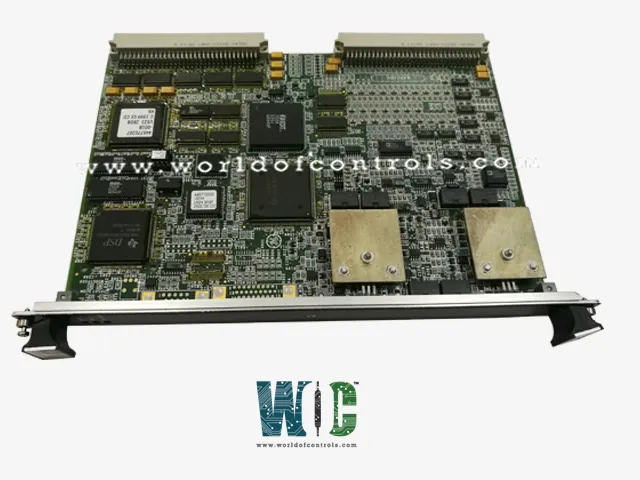
Precision Data Acquisition in Turbines: The Role of Analog Input Boards
IntroductionIn the turbine industry, precision is not optional—it is fundamental. Turbines operate under extreme conditions where even minor deviations in temperature, pressure, or vibration can impact performance and safety. To manage this complexity, turbine control systems depend on accurate, real-time data. Analog input boards are central to this process, acting as the critical link between field sensors and digital control systems.What Is Data Acquisition in Turbines?Data acquisition is the process of collecting physical measurements from turbine components and converting them into a format that control systems can process. In gas and steam turbines, sensors continuously monitor key parameters such as:TemperaturePressureFlow rateShaft speedVibration levelsThese measurements are typically analog signals, meaning they are continuous and variable. For turbine control systems to interpret and act on this data, it must be accurately captured and converted into digital signals.The Role of Analog Input BoardsAnalog input boards are specialized modules designed to receive signals from sensors and prepare them for digital processing. Their core functions include:Signal conditioning: Filtering noise and stabilizing incoming signalsAnalog-to-digital conversion: Transforming continuous signals into precise digital valuesData transmission: Sending processed data to the turbine control system in real timeIn advanced turbine platforms developed by companies like General Electric, these boards are engineered for high accuracy and reliability. They ensure that control systems receive clean, precise data, even in electrically noisy industrial environments.Key Features of Modern Analog Input BoardsModern analog input boards used in turbine systems are designed to meet demanding operational requirements. Some of their key features include:Multi-Channel CapabilityThey can handle inputs from multiple sensors simultaneously, enabling comprehensive monitoring of turbine conditions.High ResolutionAdvanced analog-to-digital converters provide high-resolution data, allowing detection of even the smallest changes in operating parameters.Signal IsolationElectrical isolation protects the system from interference and prevents damage caused by voltage spikes or grounding issues.Robust DesignThese boards are built to withstand harsh environments, including high temperatures, vibration, and electromagnetic interference.Why Precision Matters in Turbine OperationsOperational EfficiencyAccurate data enables control systems to fine-tune turbine performance, optimizing fuel consumption and energy output.Predictive MaintenanceHigh-quality sensor data helps identify early warning signs of component wear or failure. Maintenance teams can address issues proactively, reducing downtime and repair costs.Safety and ReliabilityTurbines operate under high stress. Reliable data acquisition ensures that safety thresholds are monitored continuously, helping prevent hazardous conditions and system failures.Challenges in Analog Data AcquisitionDespite their advanced design, analog input boards must overcome several challenges in turbine environments:Electrical noise from nearby equipmentSignal loss over long cable runsCalibration drift over timeIntegration with complex digital control systemsTo address these challenges, modern boards incorporate advanced filtering techniques, precision components, and robust communication interfaces.ConclusionAnalog input boards are a cornerstone of turbine control systems, enabling precise data acquisition from critical sensors. By converting real-world signals into actionable digital information, they support efficient, safe, and reliable turbine operation. As turbine technology continues to evolve, the importance of accurate data acquisition will only grow, reinforcing the vital role of analog input boards in the power generation industry.


