Dumpster Management Software: Streamlining Waste and Roll-Off Operations
By Keystone Waste Solutions LLC
108 Views
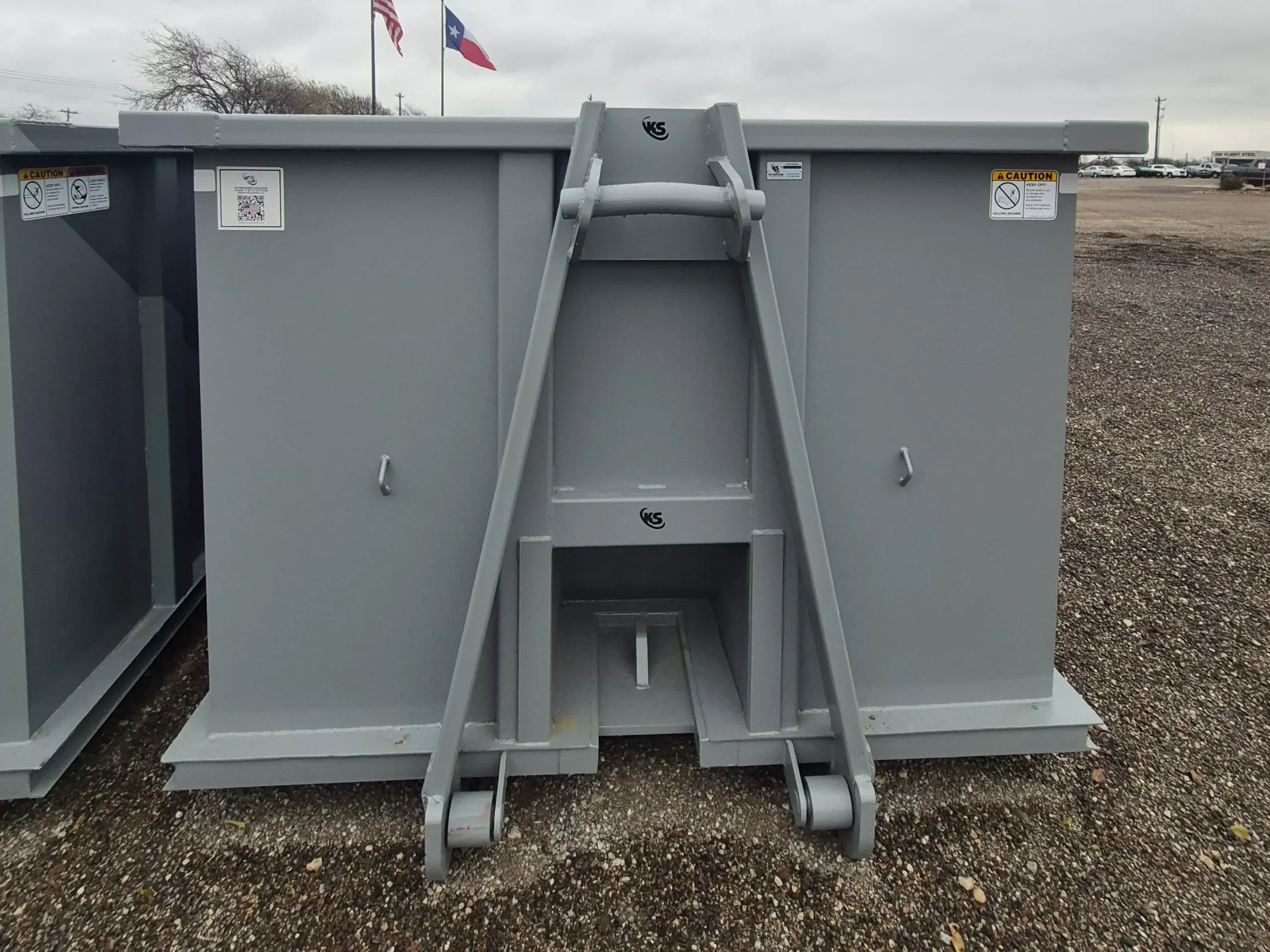
Dumpster management software has become an essential tool for waste management companies, roll-off dumpster providers, and commercial hauling businesses seeking greater operational efficiency.
As the waste removal industry continues to expand, software solutions help companies manage scheduling, dispatching, billing, customer communication, and fleet operations from a centralized platform.
Modern dumpster management systems are designed to simplify daily workflows while improving productivity, reducing operational costs, and enhancing customer service.
Advanced dumpster management software helps waste companies automate operations, improve scheduling accuracy, and optimize resource utilization.
What Is Dumpster Management Software?
Dumpster management software is a digital platform designed to help waste management and roll-off dumpster companies manage business operations efficiently.
These systems often combine multiple operational tools into one interface, including:
- Dispatch scheduling
- Customer management
- Billing and invoicing
- Route optimization
- Fleet tracking
- Container inventory management
- Reporting and analytics
The software supports businesses ranging from small local dumpster rental companies to large commercial waste management operations.
Core FunctionPurposeDispatch ManagementSchedule deliveries and pickupsCustomer ManagementOrganize customer informationBilling SystemProcess invoices and paymentsRoute OptimizationImprove driver efficiencyInventory TrackingMonitor dumpster availability
Benefits of Dumpster Management Software
Technology-driven management systems provide several operational advantages for waste hauling businesses.
Improved Scheduling Efficiency
Manual scheduling processes can create delays, errors, and communication issues.
Software platforms help automate:
- Dumpster delivery scheduling
- Pickup coordination
- Driver assignments
- Route planning
Better Fleet Management
GPS-enabled systems allow companies to monitor vehicle locations and optimize travel routes.
Benefits may include:
- Reduced fuel consumption
- Faster response times
- Improved driver productivity
- Lower maintenance costs
Centralized Business Operations
Dumpster management software centralizes operational tasks into one platform, making it easier to manage daily activities.
Enhanced Customer Service
Customer portals and automated communication tools improve transparency and scheduling convenience.
Features may include:
- Appointment notifications
- Online booking
- Digital invoices
- Service tracking
Automation tools help reduce administrative workload while improving operational accuracy and customer satisfaction.
Key Features of Dumpster Management Software
Modern dumpster software platforms include a wide range of specialized tools for waste management businesses.
Dispatch and Scheduling Tools
Dispatch systems allow office staff to coordinate deliveries and pickups efficiently.
Common scheduling features include:
- Calendar management
- Real-time dispatch updates
- Driver scheduling
- Route mapping
Customer Relationship Management (CRM)
CRM tools help businesses manage customer interactions and service histories.
CRM capabilities often include:
- Customer profiles
- Service records
- Communication logs
- Contract management
Billing and Invoicing
Integrated billing systems simplify payment processing and financial management.
Functions may include:
- Automated invoicing
- Online payment processing
- Tax calculations
- Recurring billing
Route Optimization
Route optimization tools improve delivery efficiency and reduce unnecessary travel time.
Inventory and Container Tracking
Tracking systems monitor dumpster availability and location status.
This helps businesses manage:
- Container inventory
- Equipment utilization
- Maintenance scheduling
Software FeatureOperational BenefitDispatch AutomationFaster schedulingGPS Fleet TrackingImproved route efficiencyBilling IntegrationSimplified payment managementCRM ToolsBetter customer organizationReporting DashboardBusiness performance insights
Industries That Use Dumpster Management Software
Several industries rely on dumpster software solutions to manage waste-related operations.
Roll-Off Dumpster Companies
Roll-off businesses use software for scheduling temporary dumpster deliveries and pickups.
Commercial Waste Haulers
Commercial waste providers manage recurring trash collection schedules and customer accounts.
Construction Debris Removal Companies
Construction-focused businesses use dispatch software to coordinate debris removal from active job sites.
Recycling Companies
Recycling operations often use management systems for material tracking and route planning.
Industrial Waste Services
Industrial waste management companies require advanced reporting and compliance tracking capabilities.
Cloud-Based Dumpster Management Software
Many modern waste management systems operate using cloud-based technology.
Advantages of Cloud-Based Platforms
Cloud software provides:
- Remote access
- Automatic updates
- Data backup
- Multi-device compatibility
- Real-time operational visibility
Mobile Accessibility
Drivers and field staff may use mobile applications to:
- Update service statuses
- Capture customer signatures
- Upload photos
- Receive route changes
Scalability for Growing Businesses
Cloud systems are often designed to support business expansion and increasing operational demands.
Dispatch and Route Optimization
Efficient route planning is one of the most valuable aspects of dumpster management software.
Route Planning Benefits
Optimized routes can help businesses reduce:
- Fuel expenses
- Travel time
- Vehicle wear
- Delayed pickups
Real-Time Driver Tracking
GPS systems provide visibility into driver locations and service progress.
This allows dispatchers to respond quickly to scheduling changes and customer requests.
Automated Service Scheduling
Recurring service schedules can be automated for ongoing commercial accounts.
Billing and Financial Management Features
Integrated financial tools improve accounting accuracy and streamline payment collection.
Automated Invoicing
Invoices can be generated automatically after completed services.
Online Payment Processing
Customers may pay invoices electronically through secure payment portals.
Financial Reporting
Reporting dashboards may provide insights into:
- Revenue tracking
- Outstanding invoices
- Operational expenses
- Service profitability
Financial FeatureBenefitAutomated BillingReduced manual processingOnline PaymentsFaster collectionsRevenue ReportingBetter financial visibilityTax ManagementImproved compliance
Customer Management and Communication
Strong customer communication is important for service-based businesses.
Automated Notifications
Customers may receive alerts regarding:
- Delivery schedules
- Pickup reminders
- Invoice due dates
- Service confirmations
Online Booking Systems
Some platforms allow customers to request dumpsters and manage appointments online.
Service History Tracking
Software systems maintain records of previous services, helping businesses provide more personalized customer support.
Data Reporting and Business Analytics
Analytics tools help waste management companies make informed operational decisions.
Performance Tracking
Businesses can monitor:
- Driver productivity
- Service completion rates
- Revenue growth
- Customer retention
Operational Insights
Reports may identify:
- High-demand service areas
- Inefficient routes
- Equipment utilization trends
Forecasting and Planning
Historical data supports long-term business planning and resource allocation.
Choosing the Right Dumpster Management Software
Selecting the right software platform depends on operational goals and business size.
Important Evaluation Factors
Businesses often consider:
- Ease of use
- Mobile compatibility
- Customer support
- Integration capabilities
- Pricing structure
- Reporting features
Questions to Ask Software Providers
Before implementation, companies may ask:
- Does the software support mobile dispatching?
- Is GPS fleet tracking included?
- Can billing be automated?
- Are customer portals available?
- Does the system support route optimization?
Choosing scalable software can support long-term business growth and operational flexibility.
Emerging Trends in Dumpster Management Technology
The waste management industry continues adopting advanced digital solutions.
Artificial Intelligence and Automation
AI-powered tools may assist with:
- Predictive scheduling
- Route optimization
- Maintenance forecasting
Smart Dumpster Monitoring
Sensor technology can monitor dumpster fill levels in real time.
Integrated Sustainability Reporting
Some platforms include recycling and waste diversion reporting features to support environmental initiatives.
Mobile Workforce Management
Mobile applications continue improving communication between office staff and field crews.
Challenges Dumpster Management Software Helps Solve
Waste management companies often face operational challenges that software can address effectively.
Scheduling Conflicts
Automated scheduling reduces missed pickups and overlapping appointments.
Inefficient Routing
Route optimization tools improve fuel efficiency and service speed.
Billing Errors
Integrated invoicing systems reduce manual accounting mistakes.
Equipment Tracking Issues
Inventory tracking tools help monitor dumpster availability and location.
Final Thoughts on Dumpster Management Software
Dumpster management software has transformed the way waste management and roll-off companies operate.
By automating scheduling, dispatching, billing, and customer communication, these platforms help businesses improve operational efficiency and deliver more reliable service.
From route optimization and fleet tracking to financial reporting and inventory management, modern software solutions provide essential tools for growing waste management operations.
As the waste industry continues evolving, dumpster management software remains a valuable investment for companies seeking greater efficiency, scalability, and customer satisfaction.