Dumpster Rental Denver: A Complete Guide to Sizes, Costs, and Services
By 5280 Waste Solutions
2 Views
Introduction
Home renovations, construction projects, property cleanouts, and commercial operations can generate substantial amounts of waste. Managing that waste efficiently requires a practical disposal solution that accommodates the project's size, schedule, and material requirements.
A dumpster rental in Denver provides a convenient way to collect and remove unwanted materials without making repeated trips to a disposal facility. Homeowners, contractors, landlords, and business owners can select containers based on their waste volume and arrange delivery and pickup according to their project timelines.
Denver's mix of residential neighborhoods, commercial properties, and ongoing renovation projects creates demand for different dumpster rental Denver options. Understanding container sizes, pricing factors, delivery requirements, and local disposal rules helps customers choose an appropriate service.
What Is Dumpster Rental?
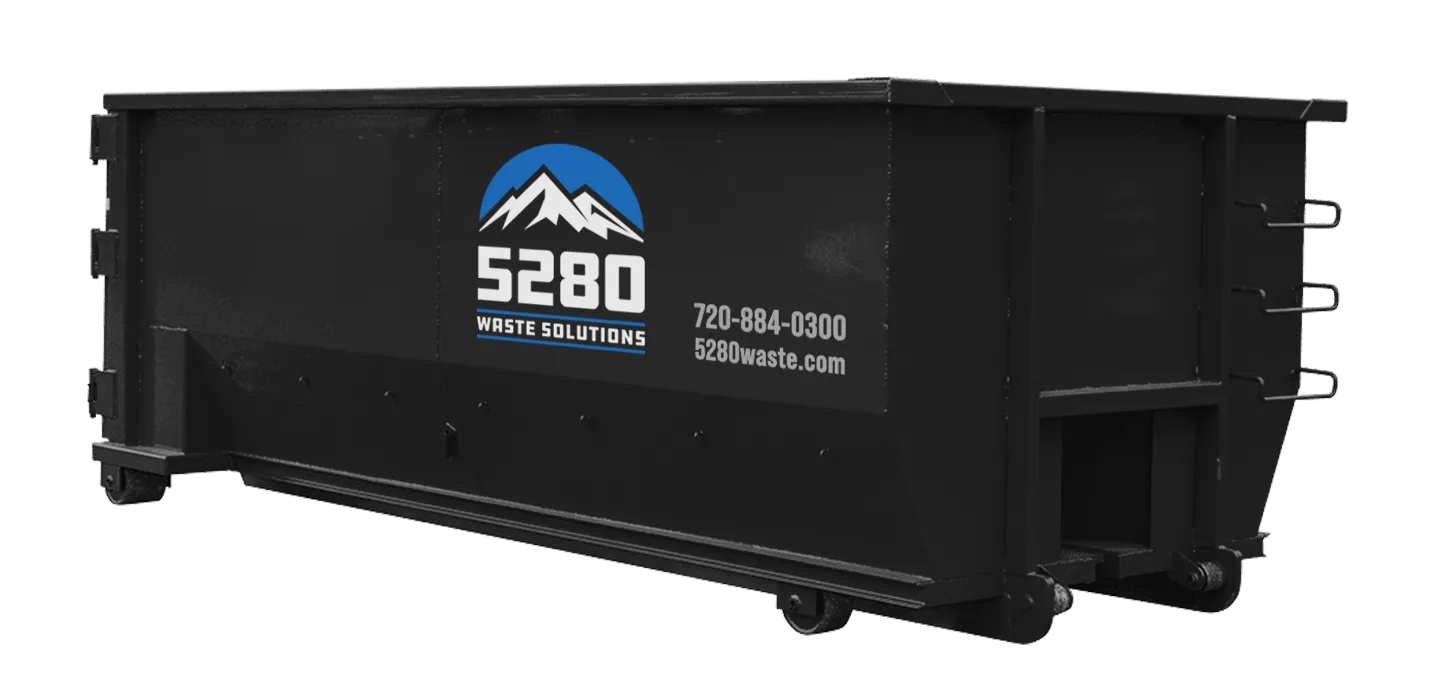
Dumpster rental is a waste management service in which a provider delivers a container to an approved location, allows the customer to fill it during an agreed rental period, and collects it for disposal or processing.
Roll-off dumpsters are particularly useful for temporary projects that generate large amounts of debris. Smaller containers and recurring waste collection services may be more appropriate for routine residential or commercial waste.
The best dumpster rental depends on the type of waste, the amount generated, the available placement area, and the required collection schedule.
Common Types of Dumpster Rental Services
Residential dumpster rental: Suitable for garage cleanouts, moving, home renovations, landscaping projects, and decluttering.
Construction dumpster rental: Designed for approved building materials, demolition debris, roofing waste, and renovation projects.
Commercial dumpster rental: Supports businesses that generate regular waste, including retail stores, offices, restaurants, and warehouses.
Yard waste dumpster rental: May accommodate approved branches, leaves, and other landscaping materials, depending on the provider's restrictions.
Roll-off dumpster rental: Uses an open-top container delivered by a specialized truck and is commonly used for temporary projects that generate substantial waste.
Customers should confirm the accepted materials and service terms before choosing a container.
Dumpster Rental Sizes in Denver, CO
Selecting the right dumpster size can help prevent unnecessary expenses and reduce the risk of running out of space during a project.
Dumpster capacity is commonly measured in cubic yards. The appropriate size depends on the volume and weight of the materials being discarded.
Common Dumpster Sizes and Their Uses
Dumpster size Typical applications10-yard Small cleanouts, minor renovations, and limited debris 15-yard Medium-sized cleanouts and smaller remodeling projects 20-yard Flooring removal, larger household cleanouts, and moderate renovations 30-yard Major renovations, substantial construction debris, and large property cleanouts 40-yardLarge construction projects and extensive demolition or cleanup work
These sizes are general guidelines. Actual container dimensions, weight limits, and availability vary by rental provider.
How to Choose the Right Dumpster Size
Several factors influence the ideal container size.
- Project scope: A small bathroom renovation generally produces less debris than a full-home remodel.
- Waste weight: Concrete, brick, soil, and roofing materials can reach weight limits quickly.
- Available space: The property must accommodate the dumpster and provide safe access for delivery and collection trucks.
- Rental duration: Larger projects may require additional days or multiple container exchanges.
- Material restrictions: Certain waste types may require specialized containers or separate disposal arrangements.
When the required capacity is uncertain, customers should describe the project and estimated debris volume to the rental provider before booking.
How Much Does Dumpster Rental Cost in Denver?
The cost of dumpster rental in Denver varies according to container size, rental duration, included weight, disposal fees, and the type of material being discarded.
Some providers offer flat-rate packages, while others apply additional charges for excess weight, extended rental periods, or extra collections.
A reliable price comparison should account for the complete rental cost rather than just the advertised starting rate.
Factors That Affect Dumpster Rental Prices
Pricing factor Potential cost impact Dumpster size Larger containers may have higher rental rates Rental period Additional days may incur extension charges Weight allowance Exceeding the included limit may trigger overage fees Delivery and pickup Charges may be included or billed separately Disposal fees Different materials can have different processing costs Additional collections Extra pickups or exchanges may increase the total Placement permits Public-property placement may involve separate fees
How to Get an Accurate Rental Quote
Customers should request an itemized quote that explains the rental period, included weight, delivery, pickup, disposal charges, and possible additional fees.
Comparing quotes for equivalent container sizes and rental terms makes it easier to identify the most suitable option.
To control costs, customers can estimate the debris volume, separate recyclable materials where appropriate, and avoid placing prohibited items in the dumpster. Heavy materials should be discussed with the provider before delivery.
When Should Customers Rent a Dumpster in Denver?
Dumpster rental can support many residential, commercial, and construction projects throughout Denver.
Home Renovations and Remodeling
Kitchen upgrades, bathroom renovations, flooring replacement, and interior remodeling can generate large quantities of discarded materials.
A roll-off dumpster provides a central location for collecting approved debris and helps keep the work area organized throughout the project.
Garage and Property Cleanouts
Garages, basements, attics, and storage areas often contain unwanted furniture, broken household items, and accumulated clutter.
A residential dumpster can simplify these cleanouts by allowing approved materials to be collected in one container instead of being transported in multiple trips.
Roofing and Construction Projects
Roof replacements, demolition work, and building renovations can produce bulky or heavy debris.
Customers should verify whether roofing shingles, wood, drywall, concrete, and other construction materials are accepted. Weight limits are especially important for dense materials.
Commercial Waste Management
Businesses may require temporary dumpsters during relocations, remodeling, inventory cleanouts, or property improvements.
For ongoing waste collection, a recurring commercial service may be more suitable than a temporary roll-off rental. The choice depends on the business's waste volume and collection requirements.
Landscaping and Yard Cleanup
Landscaping projects can produce branches, leaves, soil, rocks, and other outdoor debris.
Not every provider accepts all yard materials in a standard dumpster. Customers should confirm material restrictions and weight limits before selecting a container.
How to Find Reliable Dumpster Rental in Denver
Choosing a provider involves more than comparing prices. Service availability, delivery reliability, accepted materials, and rental conditions all influence the overall experience.
1. Confirm Service Availability
Check whether the provider serves the exact project address in Denver or the surrounding area. Delivery availability and scheduling can vary by neighborhood and demand.
2. Compare Container Options
Review the available sizes, container dimensions, weight allowances, and recommended applications. A suitable container should accommodate the expected waste without exceeding its permitted capacity.
3. Request a Detailed Quote
Ask whether the quoted rate includes delivery, pickup, disposal, and the full rental period. Clarify charges for extra days, additional pickups, and excess weight.
4. Review Customer Feedback
Look for consistent feedback about on-time delivery, transparent pricing, container condition, and collection reliability.
5. Check Rental Terms
Understand the cancellation policy, prohibited materials, extension charges, and process for arranging pickup before agreeing to the rental.
6. Verify Placement Requirements
Determine whether the dumpster can be placed on private property or requires a public-property permit. Confirm the delivery area can accommodate the truck and container safely.
These steps help customers compare services based on value, suitability, and reliability rather than price alone.
Dumpster Placement and Permit Requirements in Denver
Dumpster placement is an important consideration for projects in Denver, particularly when a container must occupy a street, sidewalk, or other public area.
Private Property Placement
A driveway, private parking area, or designated work zone may provide a convenient location for a dumpster. However, the surface must be able to support the container and its contents.
Customers should confirm clearance requirements and ask whether protective boards or other surface protection are recommended.
Street and Public Right-of-Way Placement
Placing a dumpster on public property may require authorization from the relevant local authority. Requirements can depend on the exact location, duration, and type of obstruction.
Customers should verify current City and County of Denver requirements before arranging street placement. They should also confirm whether the rental provider assists with permits or whether the customer must arrange them independently.
Checking placement rules before delivery can help prevent delays, fines, and unexpected expenses.
What Can and Cannot Go Into a Rental Dumpster?
Accepted materials depend on the provider, disposal facility, and applicable regulations.
Commonly Accepted Materials
Depending on the rental agreement, dumpsters may accept:
- Household clutter and unwanted furniture.
- Wood and approved renovation debris.
- Drywall and flooring materials.
- Cardboard and packaging.
- Approved roofing materials.
- Certain landscaping debris.
Restricted or Prohibited Materials
Some items require separate disposal arrangements or are prohibited in standard rental containers.
Examples include hazardous chemicals, fuels, solvents, certain batteries, asbestos, and some electronic waste. Appliances containing refrigerants may also require specialized handling.
Concrete, bricks, and soil may have specific weight or container restrictions.
Customers should obtain an accepted-material list before loading the dumpster. This helps prevent rejected waste, additional fees, and potential safety or environmental issues.
Tips for a Successful Dumpster Rental
A few practical preparations can help keep a Denver dumpster rental organized and efficient.
- Estimate the waste volume: Assess the materials expected from the project before selecting a size.
- Prepare the placement area: Remove vehicles and obstacles before the scheduled delivery.
- Protect the surface: Follow the provider's recommendations for driveway or pavement protection.
- Load materials safely: Distribute waste evenly and keep the contents below the permitted fill line.
- Monitor weight limits: Heavy debris can exceed the allowance even when the container is not full.
- Separate restricted materials: Arrange appropriate disposal for items that cannot enter the dumpster.
- Schedule collection in advance: Confirm the pickup procedure and any notice requirements when booking.
These measures can help reduce additional charges and avoid unnecessary project delays.
Frequently Asked Questions
How much does dumpster rental cost in Denver?
Pricing varies by dumpster size, rental period, weight allowance, disposal charges, and service provider. Requesting itemized quotes helps customers compare the total cost of equivalent rental packages.
What dumpster size is best for a home renovation?
A 10-yard dumpster may suit a small renovation, while a 20-yard or larger container may be more appropriate for extensive remodeling. The final choice depends on the volume and weight of the debris.
Can a dumpster be placed on a Denver street?
Street placement may require authorization or a permit, depending on the location and circumstances. Customers should verify current local requirements before delivery.
How long can a dumpster be rented?
Rental periods vary by provider and agreement. Customers should confirm the included number of days and any charges for extending the rental.
Can construction debris go into a rental dumpster?
Many providers accept approved construction debris, but materials such as concrete, soil, hazardous waste, and certain roofing products may have special restrictions. The provider should confirm acceptance before loading.
Is dumpster rental available outside Denver?
Some providers serve surrounding communities, but service areas differ. Customers should verify availability for the exact property address rather than assuming nearby cities are covered.
Conclusion
Finding the right dumpster rental in Denver starts with understanding the project's waste disposal needs, selecting an appropriate container size, and comparing complete rental costs.
Customers should also review weight allowances, accepted materials, delivery arrangements, and local placement requirements before booking. Careful planning can help homeowners, contractors, and businesses manage waste more efficiently while avoiding unnecessary charges.
The best dumpster rental service combines suitable container capacity, transparent pricing, dependable delivery and pickup, and clear disposal requirements. By comparing these factors, customers can select a practical waste management solution for their Denver project.