Dumpster Rental Size Guide: How to Choose the Right Dumpster for Your Project
By U-LOAD-IT Dumpsters Inc
76 Views
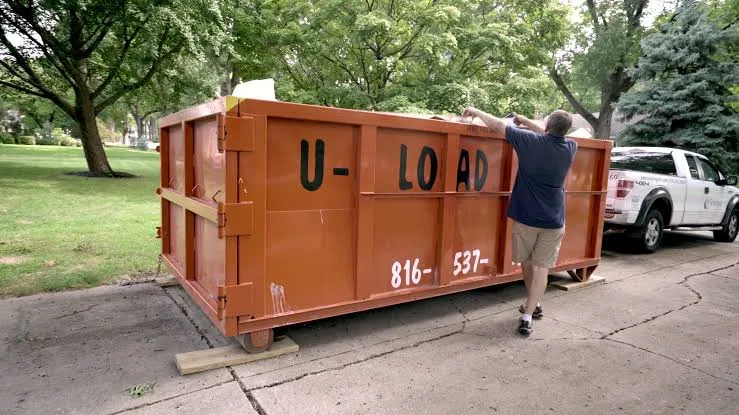
Choosing the right dumpster rental size is one of the most important decisions when planning a home renovation, construction project, landscaping job, roofing replacement, or property cleanout. Selecting a dumpster that is too small can lead to additional rental costs, while choosing one that is too large may result in paying for unused capacity.
The right Dumpster Rental Size Guide improve project efficiency, reduce costs, and simplify waste management from start to finish. By understanding the available dumpster sizes and their ideal applications, homeowners, contractors, and business owners can make informed decisions that keep projects running smoothly.
This comprehensive guide explains common dumpster rental sizes, their uses, factors to consider when selecting a container, and best practices for maximizing dumpster capacity.
Why Dumpster Rental Size Matters
Selecting the appropriate dumpster size helps ensure:
- Adequate space for project debris
- Fewer interruptions during cleanup
- Better cost management
- Safer work environments
- More efficient waste removal
A properly sized dumpster reduces the likelihood of overfilling or needing multiple containers during a project.
Choosing the correct dumpster size from the beginning can save both time and money throughout the cleanup process.
Common Dumpster Rental Sizes
Most dumpster rental companies offer several standard roll off dumpster sizes designed to accommodate different types of projects.
10-Yard Dumpster
A 10-yard dumpster is one of the smallest roll off containers available.
Best For
- Garage cleanouts
- Small attic cleanups
- Minor bathroom remodels
- Small landscaping projects
- Household junk removal
Common Materials
- Furniture
- Boxes
- Yard debris
- Drywall
- Small amounts of construction waste
A 10-yard dumpster is ideal for projects with limited debris.
15-Yard Dumpster
A 15-yard dumpster offers additional capacity while remaining compact enough for many residential properties.
Best For
- Medium-sized cleanouts
- Flooring replacement
- Deck removal
- Landscaping projects
- Kitchen updates
Common Materials
- Wood
- Flooring
- Cabinets
- Yard waste
- Household debris
This size is often selected for moderate residential projects.
20-Yard Dumpster
The 20-yard dumpster is one of the most popular rental options due to its versatility.
Best For
- Home remodeling
- Roofing projects
- Large cleanouts
- Basement renovations
- Moving cleanups
Common Materials
- Drywall
- Lumber
- Roofing shingles
- Furniture
- Construction debris
Many homeowners choose this size because it accommodates a wide variety of projects.
30-Yard Dumpster
A 30-yard dumpster is designed for larger residential and commercial jobs.
Best For
- Major home renovations
- Commercial remodeling
- Office cleanouts
- Large additions
- Multi-room renovations
Common Materials
- Construction debris
- Wood
- Metal
- Roofing materials
- Large household items
This dumpster size provides substantial capacity for larger cleanup efforts.
40-Yard Dumpster
The 40-yard dumpster is the largest standard roll off container.
Best For
- New construction
- Commercial demolition
- Industrial projects
- Large property cleanouts
- Major remodeling projects
Common Materials
- Demolition debris
- Concrete
- Lumber
- Metal
- Large-volume waste
Large-scale projects often benefit from the capacity of a 40-yard dumpster.
Dumpster Size Comparison
Dumpster SizeIdeal ProjectsCapacity Level10 YardSmall cleanouts, minor renovationsSmall15 YardDeck removal, landscaping, flooringMedium20 YardRoofing, remodeling, home cleanoutsMedium-Large30 YardCommercial remodeling, major renovationsLarge40 YardConstruction, demolition, industrial projectsExtra Large
Comparing sizes helps identify the most suitable option for specific project requirements.
Factors to Consider When Choosing a Dumpster Rental Size
Project Scope
The size of the project is one of the most important considerations.
Examples include:
- Single-room remodel
- Whole-home renovation
- Construction project
- Commercial cleanup
Larger projects generally require larger dumpsters.
Type of Debris
Different materials have different weights and volumes.
Common debris types include:
- Household junk
- Construction materials
- Roofing shingles
- Yard waste
- Concrete
Heavy materials may require smaller dumpsters due to weight limitations.
Available Space
Consider where the dumpster will be placed.
Common placement areas include:
- Driveways
- Parking lots
- Construction sites
Ensure there is adequate room for both delivery and loading.
Weight Limits
Most dumpster rentals include weight allowances.
Heavy materials such as:
- Concrete
- Dirt
- Brick
- Asphalt
may reach weight limits before the dumpster is completely full.
Understanding weight restrictions helps prevent additional charges.
Project Duration
Longer projects may require:
- Larger dumpsters
- Multiple pickups
- Extended rental periods
Planning ahead improves project efficiency.
Common Projects and Recommended Dumpster Sizes
Garage Cleanout
Recommended size:
- 10-yard dumpster
Typical debris includes:
- Boxes
- Furniture
- Household clutter
Kitchen Remodel
Recommended size:
- 15-yard or 20-yard dumpster
Common materials:
- Cabinets
- Countertops
- Flooring
- Drywall
Bathroom Renovation
Recommended size:
- 10-yard dumpster
Materials often include:
- Tile
- Fixtures
- Drywall
Roof Replacement
Recommended size:
- 20-yard dumpster
Roofing debris typically includes:
- Asphalt shingles
- Flashing
- Underlayment
Whole Home Renovation
Recommended size:
- 30-yard dumpster
Projects may generate:
- Wood
- Flooring
- Drywall
- Cabinets
- General construction debris
Commercial Construction
Recommended size:
- 40-yard dumpster
Common materials include:
- Concrete
- Lumber
- Metal
- Packaging
- Demolition debris
Benefits of Choosing the Right Dumpster Size
Improved Project Efficiency
Workers spend less time managing debris and more time completing the project.
Lower Overall Costs
Selecting the correct size helps reduce:
- Multiple rental fees
- Additional hauling charges
- Project delays
Better Site Organization
A properly sized dumpster keeps waste contained throughout the project.
Improved Safety
Removing debris regularly reduces:
- Trip hazards
- Clutter
- Workplace accidents
Proper dumpster sizing contributes to a cleaner, safer, and more productive work environment.
Tips for Maximizing Dumpster Space
Break Down Large Items
Disassemble bulky materials such as:
- Cabinets
- Furniture
- Shelving
- Cardboard boxes
This helps maximize available capacity.
Load Heavy Materials First
Place heavier items on the bottom to create a stable foundation.
Distribute Weight Evenly
Balanced loading improves transportation safety.
Fill Empty Spaces
Use smaller debris to fill gaps between larger items.
Avoid Overfilling
Waste should remain below the designated fill line to allow safe transportation.
Common Mistakes to Avoid
Choosing a Dumpster That Is Too Small
A small dumpster may require:
- Additional rentals
- Extra hauling
- Project delays
Ignoring Weight Limits
Heavy materials can exceed included weight allowances.
Mixing Prohibited Materials
Hazardous waste, electronics, batteries, and chemicals typically require separate disposal.
Poor Loading Practices
Uneven loading reduces available capacity and may create transportation issues.
Frequently Asked Questions
What Is the Most Popular Dumpster Rental Size?
The 20-yard dumpster is often considered the most versatile option for residential projects.
Which Dumpster Is Best for Home Remodeling?
Many home renovations use a 20-yard dumpster, although larger projects may require a 30-yard container.
Can Heavy Materials Go in Any Dumpster?
Heavy materials are commonly accepted, but weight limits vary and may affect container selection.
How Do I Know Which Size to Choose?
Consider the amount of debris, project type, material weight, available space, and project duration before selecting a dumpster.
Conclusion
Choosing the correct dumpster rental size is essential for maintaining an organized, efficient, and cost-effective cleanup process. Whether completing a small garage cleanout, a kitchen renovation, a roofing replacement, or a large commercial construction project, selecting the right container ensures adequate capacity while minimizing delays and unnecessary expenses.
By understanding standard dumpster sizes, evaluating project requirements, considering material weight, and following proper loading practices, homeowners, contractors, and businesses can maximize the value of their dumpster rental. Careful planning not only improves waste management but also contributes to safer worksites and smoother project completion.
The right dumpster rental size provides the flexibility, capacity, and convenience needed to keep projects on schedule while simplifying debris removal from beginning to end.