How to Mix and Match Modern Dining Room Furniture for a Cohesive Look
By Mason Liam
9 Views
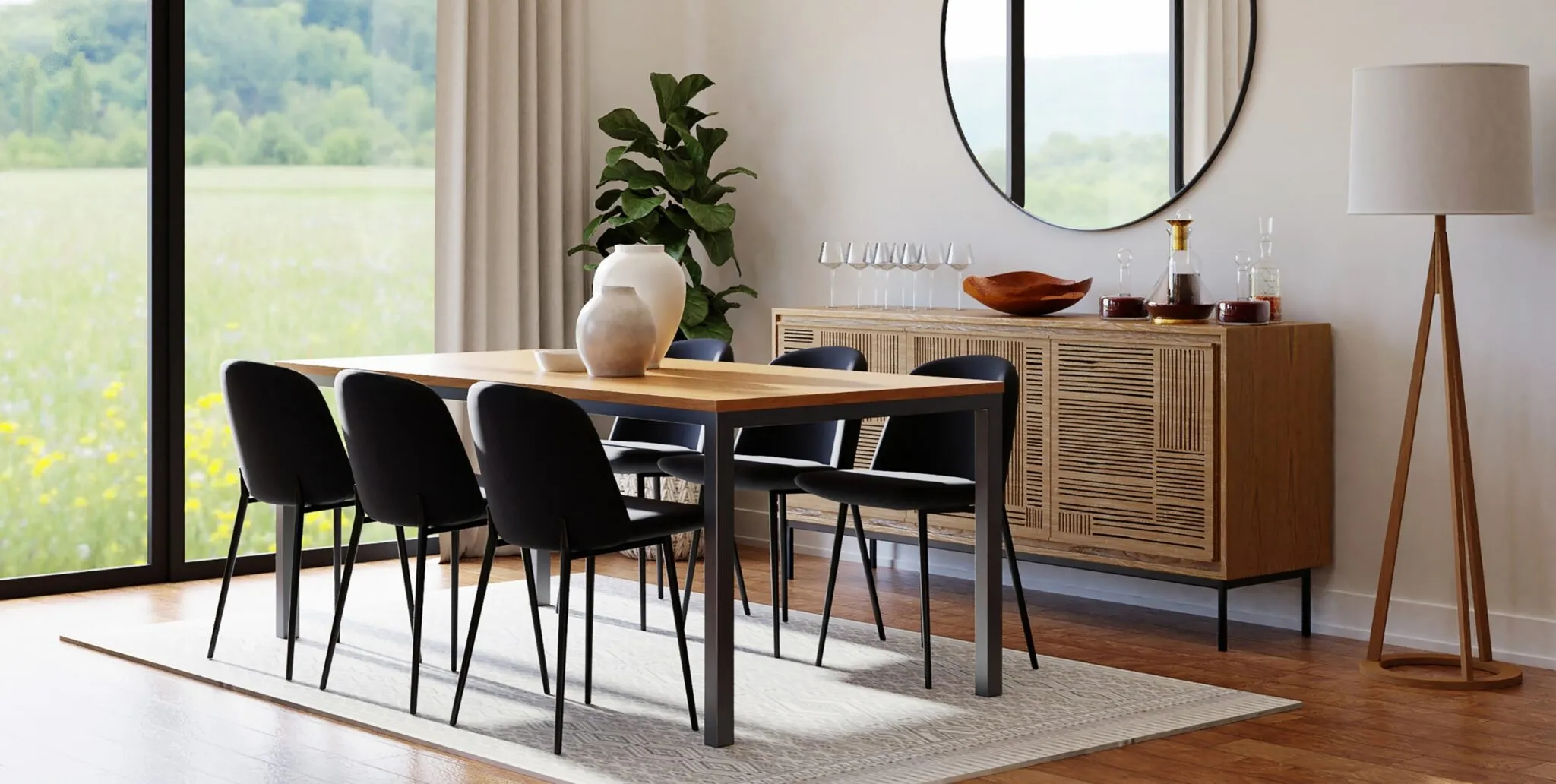
Creating a stylish dining room does not mean purchasing a matching furniture set or following one particular decorating style. Modern interiors often look more interesting when different materials, shapes, textures, and finishes are combined thoughtfully. The challenge is making individual furniture pieces work together without creating a space that feels cluttered or disconnected. Modern dining room furniture offers plenty of flexibility, allowing homeowners to combine contemporary designs with vintage accents, natural materials, and distinctive decorative details. With the right approach, you can create a dining room that feels balanced, comfortable, and visually appealing while reflecting your personal taste.
Why Mixing and Matching Furniture Works in Modern Dining Rooms
Matching furniture sets were once a popular choice because they offered a simple way to create a coordinated dining space. However, using identical materials and finishes throughout a room can sometimes make the interior feel predictable. Mixing different furniture styles introduces variety and allows individual pieces to contribute their own character. A wooden dining table paired with upholstered chairs, for example, can create a more relaxed and inviting atmosphere. This approach also makes it easier to incorporate furniture collected over time instead of replacing everything at once.
Another advantage is the freedom to balance appearance with functionality. Some dining chairs may offer better comfort, while a particular table provides more useful space or storage options. Choosing individual pieces allows you to prioritize these practical requirements without limiting yourself to one manufacturer's collection. You can also combine contemporary furniture with vintage pieces to introduce a sense of history and individuality. The key is establishing a few consistent design elements that connect everything visually.
1. Combine Different Materials Without Losing Balance
Material selection is one of the most important factors when mixing modern dining room furniture. Wood, metal, glass, stone, leather, and fabric each contribute different textures and visual qualities. A natural wooden dining table can provide warmth, while metal chair frames introduce a contemporary industrial touch. Similarly, upholstered seating can soften the appearance of a glass or stone tabletop. Combining materials creates depth and prevents the dining room from looking too uniform.
However, using too many unrelated finishes can make the space feel visually confusing. A practical approach is to select two or three primary materials and repeat them throughout the room. For example, walnut furniture can be paired with black metal accents and neutral upholstery. You might repeat the black finish through lighting fixtures, cabinet handles, or decorative accessories. These repeated details create continuity while allowing individual furniture pieces to remain distinctive.
Texture is equally important when choosing materials. Smooth tabletops, woven fabrics, natural wood grain, and brushed metal can create an interesting contrast without relying on bold colors. Consider how different surfaces interact under natural and artificial lighting. Some finishes reflect light, while others absorb it and create a softer appearance. Paying attention to these differences helps produce a dining room that feels layered, comfortable, and thoughtfully designed.
2. Mix Dining Chairs With Different Designs
One of the easiest ways to create a distinctive dining room is by using different chair styles around the same table. Instead of purchasing six identical chairs, consider combining two complementary designs. For example, upholstered chairs can be placed along the sides of a rectangular table, while wooden or sculptural chairs can be used at the ends. This arrangement introduces variety while maintaining a clear visual structure. It is particularly effective when the chairs share a similar color palette, material, or overall design influence.
When selecting different chairs, comfort and proportions should remain important considerations. Seat heights should work with the table, and the chair frames should allow enough space for people to sit comfortably. Mixing chairs with dramatically different sizes can create an unbalanced arrangement, even when their individual designs look attractive. Before purchasing, check the dimensions and consider how the chairs will look together when positioned around the table. Taking photographs or arranging samples can help you evaluate the combination before making a final decision.
Color can also connect different chair designs. Neutral upholstery, natural wood finishes, and muted accent colors are generally easy to coordinate. Alternatively, you can choose chairs in different shades of the same color family to create subtle variation. The objective is not to make every chair identical but to ensure that the differences feel intentional. A carefully arranged combination can give the dining room a collected appearance that feels more personal than a traditional matching set.
3. Coordinate Colors for a Consistent Interior
Color plays a major role in bringing different furniture pieces together. Even when the dining table, chairs, and storage units have different designs, a consistent color palette can create a sense of unity. Start with a foundation of two or three main colors that complement the existing walls, flooring, and nearby living spaces. Neutral shades such as cream, beige, gray, and warm white provide flexibility. You can then introduce deeper tones through furniture finishes, upholstery, rugs, or decorative accessories.
Natural colors are particularly effective in contemporary dining rooms. Walnut, oak, olive green, terracotta, charcoal, and warm brown can create an inviting environment without appearing overly formal. If your furniture includes several different wood finishes, try to select tones with similar warmth or undertones. Light oak and warm walnut, for example, can work together when supported by complementary textiles and accessories. Avoid introducing too many competing wood colors unless you are deliberately creating an eclectic interior.
Accent colors should be used strategically rather than distributed randomly throughout the room. A distinctive dining chair, colorful artwork, or decorative centerpiece can provide enough contrast to make the space interesting. Repeating that accent color in smaller details creates a visual connection between different areas. This technique helps modern dining room furniture feel coordinated even when the individual pieces are not part of the same collection.
4. Combine Modern Furniture With Vintage and Statement Pieces
Mixing contemporary furniture with vintage designs is an effective way to add personality to a dining room. A modern dining table can look beautiful alongside vintage wooden chairs, while an older sideboard can introduce warmth into a minimalist interior. These combinations create contrast and prevent the room from feeling like a furniture showroom. Vintage pieces may also provide distinctive craftsmanship, materials, and shapes that are difficult to find in standard mass-produced collections.
Statement furniture can serve as another visual anchor. A sculptural dining table, uniquely shaped cabinet, or distinctive lounge chair in an adjoining open-plan area can establish the room's character. When introducing a statement piece, keep surrounding furniture relatively simple so the design remains noticeable. Too many competing focal points can make the room feel crowded. Allowing one or two distinctive items to stand out creates a more balanced and sophisticated result.
The condition and functionality of vintage furniture should always be considered before purchasing. Check the stability of chair frames, inspect wooden surfaces, and look for evidence of previous repairs. If a piece is described as collectible or attributed to a particular designer, research its manufacturer and provenance where possible. Combining old and new furniture works best when each item is selected for its quality, usefulness, and relationship with the overall design.
5. Use Lighting and Accessories to Connect Different Styles
Lighting can make a significant difference when coordinating different furniture styles. A contemporary pendant light can complement a traditional wooden dining table, while a sculptural chandelier can bring personality to a minimalist room. Choose fixtures that relate to the furniture through material, shape, or finish. For example, black metal lighting can connect with dark chair frames, while brass details can complement warm wood tones. The lighting should enhance the dining area without overpowering the furniture.
Accessories provide another opportunity to create visual continuity. Rugs, artwork, table runners, ceramics, vases, and decorative bowls can help connect pieces that have different designs. A rug beneath the dining table can define the area in an open-plan home while introducing a complementary color or texture. Make sure the rug is large enough for chairs to remain on it when pulled away from the table. This practical detail improves both comfort and the overall appearance of the arrangement.
Small decorative details can also reinforce the interior's design direction. For example, modern desk decor principles can be useful when styling a nearby work or display area in an open-plan home. Minimalist organizers, ceramic objects, small sculptures, and carefully selected accessories can introduce the same clean aesthetic found in contemporary dining interiors. Repeating these decorative elements across connected spaces helps create a consistent atmosphere without making every room look exactly the same.
6. Balance Furniture Proportions and Room Layout
Even beautifully coordinated furniture can look out of place if the proportions are incorrect. A large dining table may overwhelm a small room, while undersized chairs can appear disconnected from a substantial tabletop. Before purchasing furniture, measure the dining area and consider how much room is available for movement. Ideally, allow approximately 36 inches of clearance around the table where possible. This gives people enough space to move around the dining area and pull out chairs more comfortably.
Furniture placement should also support the natural flow of the home. In open-plan interiors, the dining table should help define the dining zone without blocking movement between the kitchen and living area. A sideboard can be positioned against a wall to provide storage while keeping the central floor area open. Round tables may work particularly well in smaller spaces, whereas rectangular tables can be practical for longer rooms. The best arrangement depends on the room's dimensions and how frequently the dining area is used.
Avoid filling every available corner with furniture or accessories. Empty space is an important part of modern interior design because it allows individual pieces to remain visually noticeable. If the dining room already contains a statement table and distinctive chairs, additional furniture should be selected carefully. A balanced layout provides enough room for comfortable movement while allowing the design elements to complement one another naturally.
Create a Cohesive Dining Room That Reflects Your Personality
Mixing and matching modern dining room furniture is ultimately about creating relationships between individual pieces rather than following strict decorating rules. Start with a practical foundation, such as a well-proportioned dining table and comfortable seating. Introduce contrasting materials, complementary colors, and different furniture styles gradually. Use lighting, rugs, artwork, and decorative accessories to connect the overall arrangement. This approach allows you to develop a dining room that feels thoughtfully designed without looking overly coordinated.
A successful dining space should reflect your lifestyle as much as your design preferences. Whether you prefer minimalist furniture, vintage accents, sculptural statement pieces, or warm natural finishes, focus on quality, comfort, and visual balance. You do not need an expensive matching collection to create an attractive interior. With careful choices and attention to detail, different furniture styles can work together beautifully, giving your dining room a welcoming atmosphere and a distinctive character that remains appealing over time.