How to Rodent-Proof Your Long Island Home Before Winter
By Aliya Bhatt
2 Views
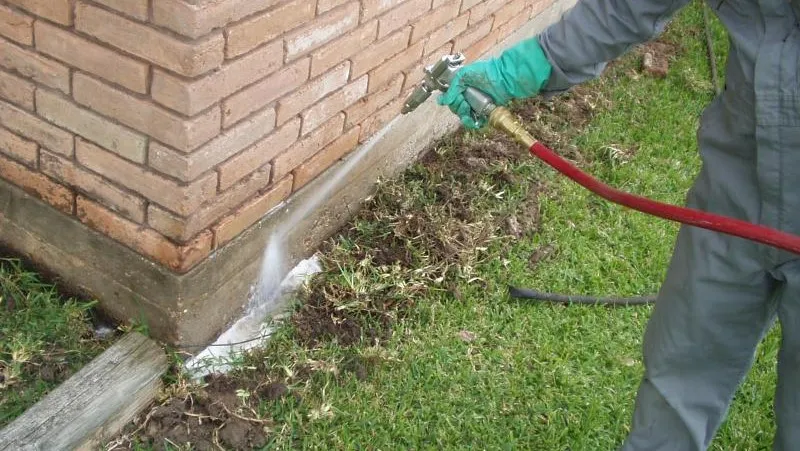
Mice do not need much of an invitation. When nights turn cold, a warm garage, a quiet attic, or a gap around a gas line starts to look very good to them.
The best time to close those doors is before they move in. This guide walks you through a fall walk-around of your house, the materials that hold up against chewing, and when it makes sense to bring in a professional.
How Do You Rodent-Proof a House?
Find every gap and hole, fill small ones with steel wool and caulk, cover larger openings with hardware cloth, sheet metal, or cement, and remove the food and shelter that attract rodents. That is the core of the CDC's Seal Up guidance. The trick is being thorough. A mouse can squeeze through a gap of about a quarter inch, so a hole that looks too small to matter often is not.
Why Fall Is the Time to Do It
As temperatures drop and outdoor food fades, mice and rats look for warmth and shelter. Sealing your home in early fall means you are keeping rodents out, not trying to evict them from walls and attics after they settle in. If you want more on how cold weather changes rodent behavior, see our guide to winter pest control in New York.
Where Mice and Rats Get In
The CDC lists these places to check. Do the outside first, then the inside.
Outside your house
- Roof, rafters, gables, and eaves
- Around windows and doors, and under doors
- Where the foundation meets the ground
- Attic and crawl space vents
- Holes for electrical, plumbing, cable, and gas lines
Inside your house
- Behind and under kitchen cabinets, refrigerators, and stoves
- Around pipes under sinks and washing machines
- Around pipes to the water heater and furnace
- Around floor vents, dryer vents, and floor drains
- Around the fireplace, in the attic, and in the basement or crawl space
Do not forget the garage and any sheds. The CDC says outbuildings and garages should be sealed too. Long Island homes with attached garages, finished basements, and older brick or wood siding often have several of these weak spots.
Which Materials Actually Work
OpeningWhat to useNotesSmall holes and gaps around pipesSteel wool packed in tightly, with caulk around itThe CDC recommends this combination to hold the steel wool in placeLarger holesLath screen or lath metal, cement, hardware cloth, or metal sheetingNamed by the CDC for larger openingsVery large holes (3 inches or more)Quarter-inch hardware cloth, then patching compoundFrom an extension rodent-exclusion guideAttic and crawl space ventsWelded stainless steel screens with quarter-inch openingsNYC Health Department pest-proofing tipsDoor bottomsA durable door sweepCheck garage and basement doors first
One warning: do not use spray foam by itself. Rodents can chew through it, and the CDC treats foam as a secondary seal over steel wool, not a barrier on its own.
Cut Off Food and Nesting Spots
Sealing works best when you also remove the reasons to come in. The CDC recommends:
- Store food in thick plastic, metal, or glass containers with tight lids.
- Clean up spills right away and wash dishes soon after use.
- Put pet food away and do not leave bowls out overnight.
- Keep garbage in containers with tight lids, and clean up garbage around the house.
Stack firewood neatly and away from the house as well.
Before You Seal, Check for Mice Already Inside
If you hear scratching, find droppings, or see gnaw marks, you may already have mice. Do not seal the last opening until they are dealt with, or they can end up trapped inside your walls. Trap and remove them first, then seal.
When you clean up droppings, wear gloves. Do not sweep or vacuum dry droppings. Wet them with a disinfectant first and wipe them up.
When DIY Is Not Enough
A ladder job at the roofline, a busy attic, or a crawl space with many gaps is a lot to take on yourself. You should also call for help if you have sealed and trapped for two to three weeks and still see activity.
At Pestonix, our professional pest proofing service seals entry points so rodents stay out. If rodents are already inside, our rat and mouse elimination service removes them, and our rodent and wildlife management team handles broader problems. Our rodent control includes full removal of rats and mice plus sealing of entry points, and we offer a 3-Month No-Pest Guarantee. If you live in an apartment instead of a house, read our guide on how to get rid of mice in NYC apartments.
Book a Rodent Inspection on Long Island
Pestonix is based in Melville and serves Nassau County, Suffolk County, and the rest of Long Island. Call 631-560-2166 or 917-913-6062, or request a free inspection. We offer same-day service and 24/7 emergency response.