How Vehicle GPS Tracking Can Improve Fleet Visibility
By Jennifer
53 Views
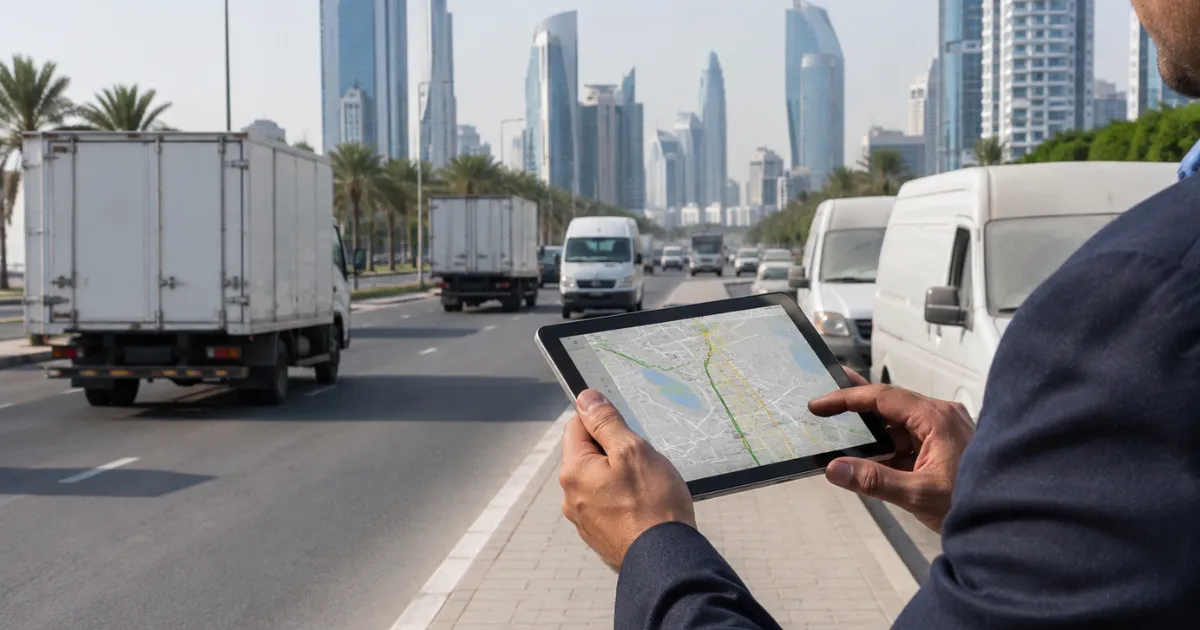
Managing vehicles across different locations can be difficult when fleet managers depend only on phone calls, driver updates, or manual records. As the number of vehicles increases, businesses need a clearer way to understand where their vehicles are and how they are being used.
A vehicle GPS tracking system can provide businesses with better visibility into daily vehicle movements. Instead of relying entirely on manual updates, managers can access location information through a centralized platform.
Understanding Fleet Visibility
Fleet visibility means having a clear overview of vehicles, their locations, and their movements. This information can be useful for logistics companies, delivery businesses, service providers, construction companies, and other organizations operating commercial vehicles.
Knowing where vehicles are can help managers coordinate tasks more effectively. If a customer requests an urgent delivery or service, managers can review available vehicles and make decisions based on current information.
Improving Daily Coordination
Communication is an important part of fleet operations. When drivers are working across different areas, coordinating them manually can take considerable time.
GPS based information can make this process more organized. Managers can check vehicle locations and communicate with drivers based on their current assignments.
This can also help businesses respond more quickly when schedules change during the day.
Understanding Routes
Vehicle tracking can provide more than current location information. Historical route data can help businesses understand how vehicles have travelled over time.
Managers may discover that certain routes regularly take longer than expected or that drivers frequently take alternative routes.
This information can support better planning and help businesses evaluate their existing transport operations.
Supporting Vehicle Security
Vehicle visibility can also contribute to security. Businesses operating valuable vehicles or equipment can benefit from knowing where assets are located.
Unexpected vehicle movement or activity outside normal operating patterns may require investigation.
When combined with appropriate security procedures, tracking technology can become one part of a broader vehicle security strategy.
Connecting Tracking With Fleet Operations
Tracking becomes even more useful when combined with other fleet processes.
For example, fleet management solutions can help businesses organize information related to vehicles, drivers, maintenance, fuel, and operational performance.
Instead of looking at vehicle location separately, managers can consider it alongside other operational information.
Making Better Decisions With Historical Data
One of the major benefits of digital tracking is the ability to review previous activity.
A manager can compare vehicle usage across different days or periods and identify patterns. This can help with scheduling, vehicle allocation, and operational planning.
Historical information can also help businesses understand whether changes made to routes or schedules have improved performance.
Conclusion
Vehicle GPS tracking can give businesses a clearer picture of their fleet operations. Real time visibility, route information, historical data, and improved coordination can help managers make more informed decisions.
The technology is most effective when businesses use the information to improve everyday processes rather than simply monitoring vehicle locations.