Improving Power Plant Reliability Through GE Control System Components
By George Philips
2 Views
Introduction
Power plant reliability is essential for maintaining continuous electricity generation, operational efficiency, and equipment safety. In the turbine industry, even a minor malfunction in a control system component can affect turbine performance, interrupt power generation, or lead to costly unplanned downtime. For this reason, selecting reliable components and maintaining them according to manufacturer recommendations are important aspects of power plant operations.
GE control system components are used in various industrial power generation and automation applications to support monitoring, control, and coordination of equipment. When properly selected, installed, and maintained, these components can contribute to stable turbine operation and improved plant reliability.
The Role of Control System Components in Turbine Operations
Turbine control systems manage important operating parameters, including speed, temperature, pressure, vibration, and other process conditions, depending on the system configuration. They receive signals from sensors, process operating information, and coordinate control actions to keep equipment within its specified operating limits.
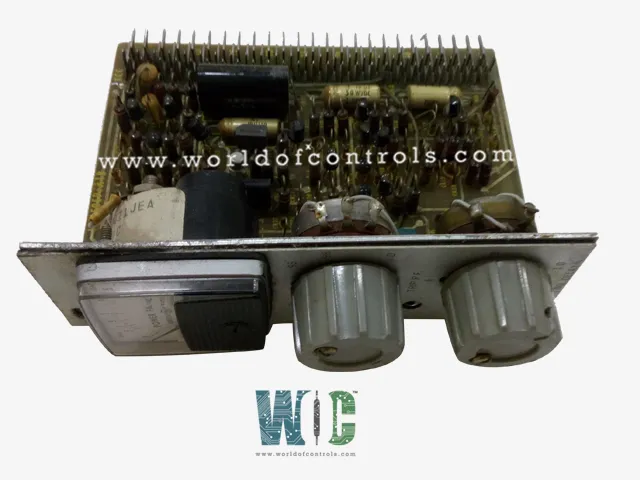
Control system components may include control boards, input/output modules, power supply modules, communication interfaces, and other electronic assemblies. Each component performs a specific function within the overall system.
Reliable components help ensure accurate signal processing, consistent communication, and appropriate control responses. In gas and steam turbine installations, these functions support safe operating practices, efficient performance, and dependable power generation.
How GE Control System Components Improve Power Plant Reliability
1. Consistent Monitoring and Control
Reliable control components help operators monitor turbine operating conditions and respond to changing demands. Accurate signals and dependable control functions allow plant personnel to identify abnormal conditions and take corrective action before they develop into more serious problems.
However, overall performance depends on the complete control architecture, component compatibility, proper configuration, and regular system testing.
2. Reduced Unplanned Downtime
Unexpected equipment failures can result in production losses, emergency maintenance, and increased operating costs. Using appropriate replacement components and maintaining critical spare parts can reduce delays when repairs are necessary.
A planned maintenance strategy that includes inspections, diagnostics, and timely replacement of defective components helps improve equipment availability. Keeping essential control system spares in stock can also shorten repair times.
3. Improved Maintenance Planning
Condition monitoring, maintenance records, and component history help maintenance teams identify recurring issues and plan interventions more effectively. Reviewing fault logs and inspecting connections, cooling conditions, and power supplies can help detect potential problems before they affect plant operation.
Maintenance activities should always follow the applicable technical documentation and plant procedures.
Understanding Part Numbers in the Turbine Industry
A part number is a unique or manufacturer-defined alphanumeric identifier used to identify a specific component, assembly, or product configuration. In the turbine industry, part numbers are essential for identifying the correct control system components required for installation, maintenance, repair, and replacement.
For example, a GE control card may have a part number printed on its label or listed in the manufacturer's documentation. Maintenance personnel use this identifier to distinguish the required item from other components that may look similar but have different electrical characteristics, functions, firmware, or compatibility requirements.
Why Part Numbers Matter
Accurate component identification: Part numbers help maintenance teams identify the intended component and reduce the risk of ordering an incorrect replacement.
System compatibility: Turbine control systems may contain components with different hardware revisions or application requirements. Verifying the part number, revision, and approved compatibility information helps ensure that a replacement is suitable for the specific system.
Inventory management: Power plants often maintain spare control boards and electronic modules to minimize downtime. Part numbers make it easier to organize inventories, track usage, and reorder components accurately.
Maintenance documentation: Recording part numbers during inspections and replacements creates a traceable maintenance history. This information supports future troubleshooting, spare-parts planning, and maintenance audits.
A part number should not be confused with a serial number. A part number generally identifies a product type or configuration, while a serial number typically identifies an individual manufactured unit. Both may be necessary when checking component history or requesting technical support.
Best Practices for Selecting and Maintaining GE Components
Power plant operators and maintenance teams should establish clear procedures for managing control system components. Before purchasing a replacement, they should verify the part number against approved equipment documentation and confirm compatibility with the installed system.
Components should be sourced through reputable suppliers and assessed for authenticity, condition, and applicable warranty or testing documentation. Where relevant, engineers should also confirm hardware revisions, firmware requirements, and manufacturer-approved substitution options.
Preventive maintenance should include appropriate inspections, environmental checks, and functional testing performed by qualified personnel. Particular attention should be given to temperature, dust, moisture, vibration, electrical connections, and cooling conditions, as these factors can influence electronic component reliability.
Maintenance records should document installed components, replacement dates, inspection findings, and any corrective actions taken.
Conclusion
Improving power plant reliability requires a combination of dependable control system components, effective maintenance practices, accurate technical documentation, and careful spare-parts management. GE control system components can support reliable turbine operations when they are correctly specified, installed, and maintained within the requirements of the relevant system.
Understanding part numbers is an important part of this process. By verifying component identification and compatibility, maintaining accurate inventory records, and following manufacturer recommendations, power plant teams can reduce replacement errors, improve maintenance efficiency, and support long-term operational reliability.