Maintenance Considerations for GE High Voltage Gate Input Modules
By George Philips
2 Views
Introduction
Reliable turbine operation depends on the performance of electrical control systems, power conversion equipment, and monitoring components. In gas and steam turbine power plants, these systems support essential operations such as turbine startup, generator excitation, and electrical power management. High voltage gate input modules play a role in certain industrial control systems by supporting signal monitoring and communication between control hardware and power electronic equipment.
In the turbine industry, GE high voltage gate interface technology is associated with specialized control boards used in industrial power conversion systems, including static starter applications. Proper maintenance of these components helps plant personnel identify potential electrical faults, maintain system reliability, and reduce unplanned downtime.
Understanding High Voltage Gate Input Modules
Function in Turbine Control Systems
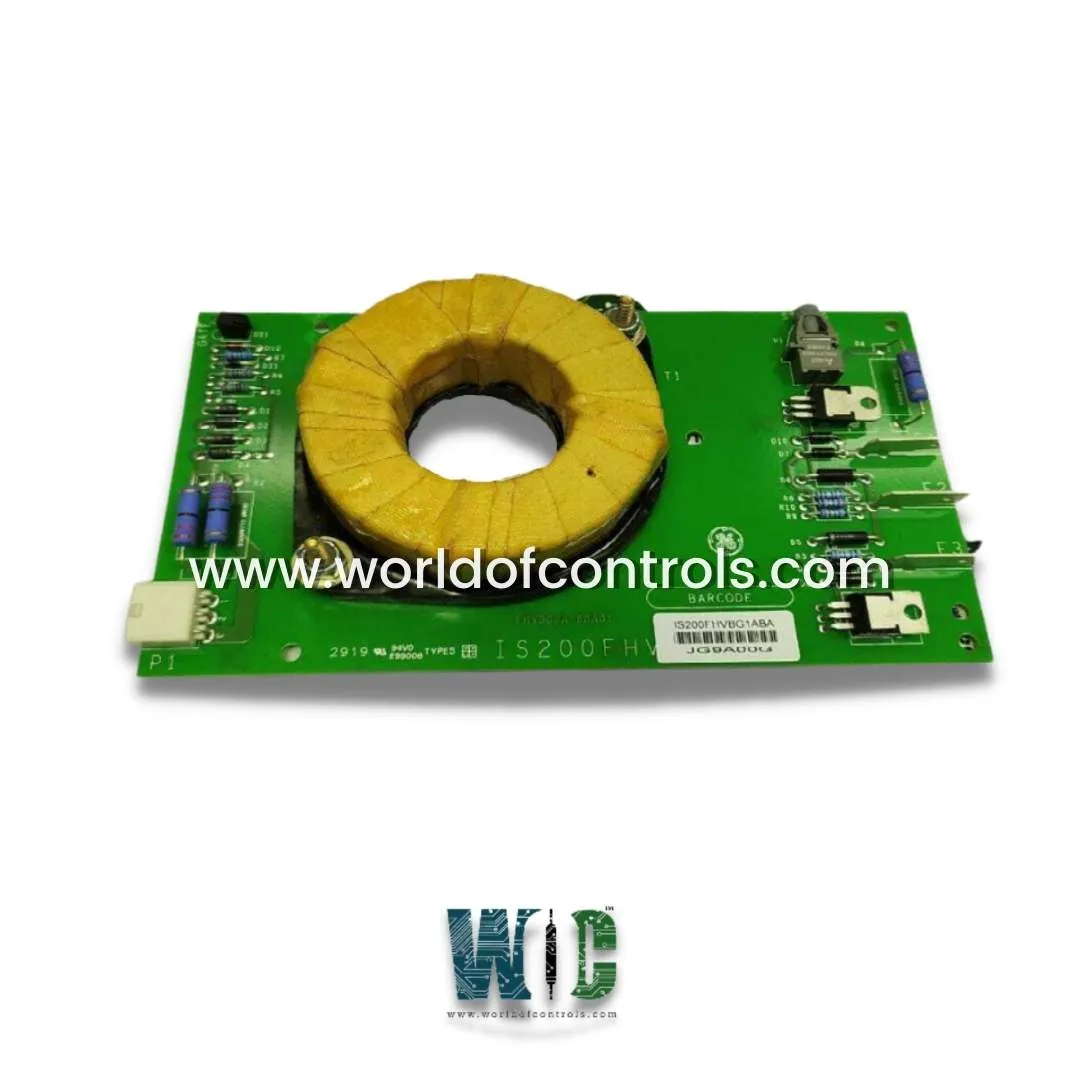
High voltage gate interface modules form part of the electrical control architecture used in selected industrial power conversion applications. These modules support the interface between control electronics and semiconductor switching devices, such as silicon-controlled rectifiers (SCRs).
SCRs regulate high-power electrical currents and are commonly used in static starter systems that help accelerate large turbine-generator drive trains during startup. Gate interface and monitoring circuits assist the control system in managing switching operations and monitoring relevant electrical conditions.
Depending on the system configuration, these interfaces may also support cell voltage monitoring and fault detection. Reliable operation is important because electrical abnormalities within the associated power conversion equipment can affect startup performance and overall plant availability.
Importance of Preventive Maintenance
Preventive maintenance helps identify deteriorating connections, contamination, component damage, and other potential problems before they develop into significant failures. A structured maintenance program also improves troubleshooting efficiency, supports safer operations, and helps maintenance teams plan repairs and replacement activities.
Key Maintenance Considerations
1. Visual Inspection and Environmental Conditions
Regularly inspect the module and its surrounding control cabinet for dust accumulation, moisture, corrosion, discoloration, and signs of overheating. Ensure that ventilation paths remain unobstructed and that operating temperatures and humidity levels meet the manufacturer's specifications.
Pay attention to connectors, circuit board surfaces, and visible components. Burn marks, unusual odors, or evidence of electrical arcing should be investigated by qualified technicians. Cleaning should follow approved procedures to prevent electrostatic discharge or damage to sensitive electronic components.
2. Electrical Connections and Wiring
Loose connections, damaged insulation, and deteriorated terminals can cause intermittent signals or electrical faults. Inspect accessible wiring, connectors, and grounding arrangements according to the applicable electrical drawings and maintenance instructions.
Because these modules may interface with high-voltage circuits, maintenance must only be performed after the equipment has been placed in a safe condition. Follow site isolation procedures, lockout/tagout requirements, and approved methods for verifying the absence of hazardous voltage.
Never disconnect or reconnect components while energized unless an explicit, manufacturer-approved procedure permits the activity.
3. Fault Monitoring and Diagnostics
Review control-system alarms, event logs, and diagnostic indicators for recurring problems involving gate signals, semiconductor switching devices, cell voltage monitoring, or associated power conversion equipment.
When a fault occurs, investigate the complete circuit instead of automatically assuming that the interface module is defective. Possible causes include wiring problems, faulty semiconductor devices, abnormal electrical conditions, or issues with related control hardware.
Document alarm codes, operating conditions, inspection results, and corrective actions. This information helps maintenance teams identify recurring problems and improve future troubleshooting.
4. Functional Testing and Verification
After maintenance or component replacement, qualified technicians should perform the inspections and functional checks specified in the applicable OEM documentation. These may include checking connections, reviewing diagnostic indications, and confirming that the associated control system reports the expected equipment status.
Electrical testing should use approved procedures and appropriately rated instruments. Avoid applying unauthorized test voltages or changing protection settings, as these actions may damage equipment or compromise system safety.
5. Spare Parts and Replacement Planning
Maintaining access to compatible replacement components is important for turbine facilities operating industrial control systems over extended service periods. Before replacing a module, verify its exact identification, hardware revision, system compatibility, and configuration requirements.
For obsolete or difficult-to-source components, evaluate refurbishment or replacement options with qualified suppliers and engineering personnel. Proper spare-parts planning can reduce delays during scheduled maintenance and unexpected outages.
Best Practices for Long-Term Reliability
A successful maintenance strategy combines scheduled inspections, condition-based monitoring, accurate documentation, and trained personnel. Inspection intervals should reflect operating conditions, equipment criticality, site experience, and manufacturer recommendations.
Maintenance teams should also review historical alarms and repair records to identify recurring patterns. Standardized checklists, clear reporting procedures, and appropriate staff training can improve consistency and help prevent repeat failures.
Conclusion
GE high voltage gate input modules support important interface and monitoring functions in selected industrial power conversion and turbine-related applications. Their reliability depends on suitable environmental conditions, secure electrical connections, effective fault diagnosis, and correct replacement practices.
By implementing preventive maintenance procedures and following applicable manufacturer documentation, turbine industry professionals can improve equipment reliability, minimize avoidable downtime, and support safe, efficient power plant operations.