Maximizing Network Connectivity with GE LAN I/O Terminal Boards
By George Philips
45 Views
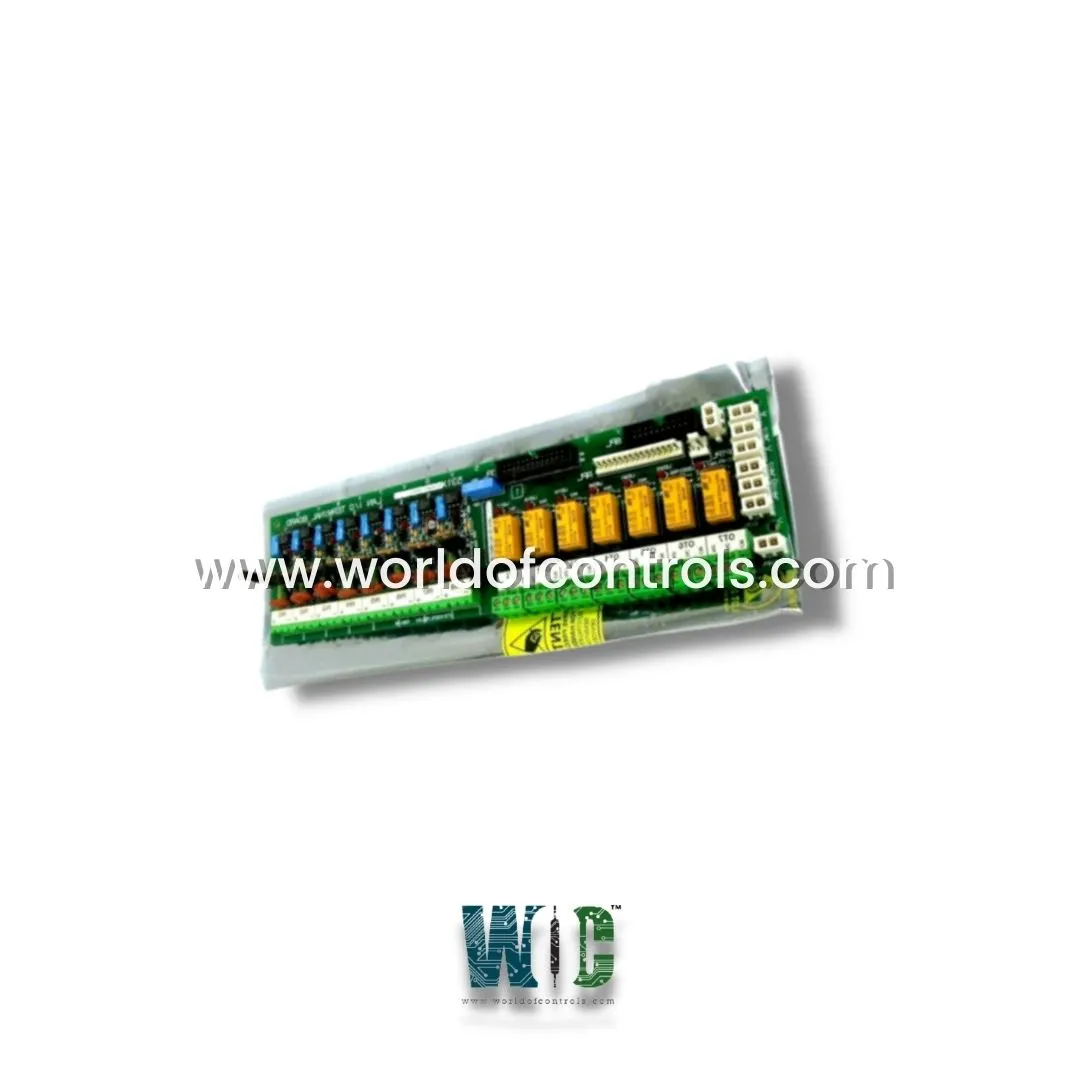
In the world of industrial automation, effective network connectivity is key to ensuring the smooth operation of complex systems. One of the essential components in this ecosystem is the GE LAN I/O Terminal Board, particularly when integrated into turbine control systems. This article explores how GE LAN I/O Terminal Boards optimize network connectivity, enhance data communication, and play a vital role in improving operational efficiency, especially in turbine applications.
Introduction to GE LAN I/O Terminal Boards
Industrial systems, such as turbine control setups, rely on fast, reliable, and secure communication to monitor and manage various critical parameters. GE LAN I/O Terminal Boards provide the interface between control systems and field devices, enabling data transfer over a Local Area Network (LAN). By allowing real-time communication, these boards ensure that operators can monitor and control turbine systems effectively.
The Role of GE LAN I/O Terminal Boards in Turbine Control
Turbine systems are intricate and require continuous monitoring of variables like speed, temperature, pressure, and flow. GE LAN I/O Terminal Boards are designed to support seamless communication between the turbine’s control systems and I/O modules, which are responsible for collecting and transmitting data from sensors and other field devices.
In turbine control, these boards act as the backbone of communication, ensuring that data flows efficiently to and from the central control unit. This connectivity allows for immediate responses to system changes or potential issues, improving both operational safety and performance.
Key Features of GE LAN I/O Terminal Boards
- High-Speed Data Transfer
- GE LAN I/O Terminal Boards are built to support high-speed data transfer, ensuring that real-time data from sensors and field devices reaches the control system without delays. This feature is critical for turbine operations, where real-time feedback is necessary to maintain optimal performance.
- Reliability
- Operating in the harsh environments found in industrial settings, GE LAN I/O Terminal Boards are designed for maximum reliability. Whether in a power plant or another demanding setting, these boards can handle the high-stakes nature of turbine operations, where even brief downtime can lead to significant costs.
- Scalability
- As turbine systems grow or require additional monitoring, GE LAN I/O Terminal Boards can scale to meet increasing demands. Their modular design allows for easy expansion and integration with additional field devices, ensuring that the system can grow alongside the needs of the operation.
- Versatile Connectivity
- These terminal boards support a wide range of I/O devices, enabling versatile connectivity in diverse turbine control systems. This flexibility ensures seamless integration, whether you are working with legacy systems or more modern control setups.
How GE LAN I/O Terminal Boards Maximize Network Connectivity
GE LAN I/O Terminal Boards are designed to enhance network connectivity by enabling smooth and reliable communication across the entire turbine control system. Below are the key ways these terminal boards maximize connectivity:
Improved Communication Across Devices
Effective communication between field devices (such as sensors and actuators) and the central control system is crucial. The GE LAN I/O Terminal Board ensures that this communication occurs without interruption, enabling operators to receive real-time information on turbine performance. With data flowing efficiently between devices, operators can quickly assess turbine conditions and make informed decisions.
Real-Time Data Acquisition
Real-time data acquisition is one of the primary advantages of using GE LAN I/O Terminal Boards. By transmitting data from field devices to the control system instantly, these boards enable operators to detect potential issues in turbine performance as soon as they arise. This quick feedback loop minimizes response times and reduces the risk of catastrophic failures, ensuring turbines run at peak efficiency.
Conclusion
The GE LAN I/O Terminal Board is an indispensable component in modern turbine control systems, enhancing network connectivity and ensuring reliable data communication. With its high-speed data transfer, robust reliability, scalability, and versatile connectivity options, it plays a crucial role in optimizing turbine performance and safety. As industries continue to embrace automation and digitalization, the importance of reliable network connectivity, such as that provided by GE LAN I/O Terminal Boards, will only increase.
By enabling seamless integration, real-time data transmission, and system flexibility, these terminal boards contribute to maximizing operational efficiency and minimizing downtime in the turbine industry. Their role in improving communication and operational control makes them a critical piece of technology for any industrial automation system.