Mobile Physician Services in Troy, Michigan: Quality Medical Care Delivered to Your Home
By William Watson
4 Views
Accessing medical care can become challenging when illness, mobility limitations, recovery needs, or transportation issues make regular office visits difficult. Instead of arranging transportation and waiting in a busy medical office, eligible patients may receive appropriate medical attention in a familiar environment. Mobile physician services Troy, Michigan provide a convenient approach by bringing qualified medical professionals directly to a patient's home. Home-based visits can support routine evaluations, chronic condition management, medication reviews, and follow-up care. This approach can make healthcare more accessible while keeping the patient's individual needs at the center of the care process.
What Are Mobile Physician Services?
Mobile physician services involve healthcare professionals traveling to a patient's residence to provide medical evaluation and appropriate treatment. Depending on the provider and patient's needs, services may include physical examinations, chronic disease monitoring, medication management, post-hospital follow-ups, and coordination with other healthcare professionals. The goal is not simply to move a traditional office visit into the home, but to create a care experience that considers the patient's overall circumstances. Home-based medical visits can be particularly useful for individuals who find frequent travel difficult or exhausting.
A physician conducting a home visit can also observe factors that may be difficult to identify during a brief office appointment. The patient's mobility, medication organization, living environment, caregiver support, and daily routines can provide valuable context. This information may help healthcare professionals develop more practical recommendations. However, mobile medical care does not replace emergency services or every type of specialist treatment. Patients with serious or rapidly worsening symptoms may require urgent or hospital-based medical attention.
Who Can Benefit From Home-Based Physician Care?
Home-based medical care may be appropriate for older adults, individuals recovering from illness or surgery, patients with chronic health conditions, or people experiencing mobility challenges. Some patients may have difficulty driving, arranging transportation, walking long distances, or waiting for extended periods in a medical facility. Receiving care at home can reduce some of these practical barriers. The suitability of home visits depends on the patient's medical needs, condition, location, and the services offered by the healthcare provider.
Families and caregivers may also find home-based visits helpful because they can participate in discussions about medications, symptoms, treatment instructions, and follow-up plans. Having a trusted caregiver present can make it easier to remember important information and communicate changes in the patient's condition. For patients managing multiple health concerns, better communication between the patient, family, physician, and other providers can support continuity of care. Every care plan should remain individualized rather than relying on a one-size-fits-all approach.
Common Services Provided During a Mobile Medical Visit
The services provided during a home visit vary according to the patient's health status and the physician's assessment. A visit may include a review of current symptoms, vital signs, medications, medical history, and existing treatment plans. Physicians may also evaluate chronic conditions such as diabetes, hypertension, respiratory problems, or other ongoing concerns. When necessary, the physician can recommend additional testing, specialist consultation, therapy, or another level of care. Follow-up visits may then be arranged to monitor progress and respond to changes.
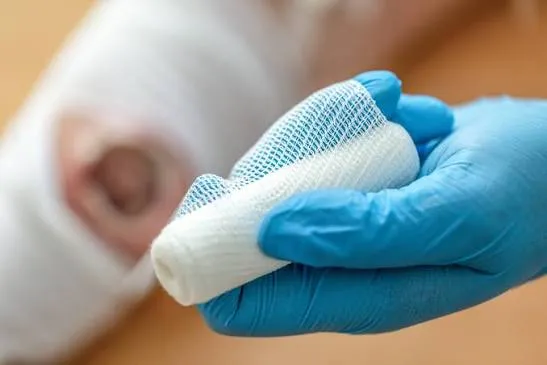
Mobile care can also support patients who require ongoing wound-related attention. A Mobile wound care nurse in Troy may assist with wound assessment, dressing changes, monitoring, and patient or caregiver education when such services are clinically appropriate. Wound care requires careful attention because healing can be affected by circulation, nutrition, blood sugar, pressure, infection, and other factors. Coordinated communication between physicians, nurses, caregivers, and specialists can help ensure that changes in the wound are recognized and addressed appropriately.
How Mobile Care Supports Chronic Condition Management
Managing a chronic condition often requires regular monitoring rather than occasional treatment when symptoms become severe. Home-based physician visits can make ongoing medical supervision more practical for patients who have difficulty attending frequent appointments. During a visit, the physician may review symptoms, medications, lifestyle factors, and previous treatment recommendations. Changes in the patient's condition can then be documented and discussed with the patient and caregiver. Consistent communication may help identify concerns before they become more difficult to manage.
Chronic disease management can also involve several healthcare professionals, especially when a patient has multiple conditions. A physician may coordinate with nurses, therapists, specialists, pharmacies, or other members of the care team when appropriate. This coordinated approach helps keep everyone informed about relevant changes and treatment instructions. Patients and caregivers should still report new or worsening symptoms promptly rather than waiting for a scheduled home visit. Timely communication remains an important part of safe and effective healthcare.
What to Expect During a Home Physician Visit
Before a mobile medical appointment, patients can prepare by gathering medication bottles, recent medical records, discharge paperwork, questions, and information about recent symptoms. It can also be helpful to prepare a short list of changes noticed since the previous appointment. During the visit, the physician may ask about current concerns, review the patient's medical history, perform an examination, and discuss treatment recommendations. Patients should feel comfortable asking questions when an instruction or medical term is unclear. Clear communication helps patients and caregivers understand the next steps.
The home setting may also allow the physician to understand practical challenges affecting the patient's health routine. For example, difficulty moving around the home, managing medications, preparing meals, or following a treatment plan may become more apparent during an in-home assessment. These observations can provide useful information for developing realistic recommendations. Patients should continue following prescribed treatment instructions and should not change medications or wound-care routines without appropriate medical guidance. When additional care is needed, the physician may recommend follow-up services or referral to another healthcare professional.
Choosing the Right Mobile Medical Care in Troy, Michigan
When considering mobile physician services Troy, Michigan, patients and families should look beyond convenience and consider the quality and scope of care available. Important questions may include whether the provider has experience with the patient's particular medical needs, what conditions can be treated during home visits, and how follow-up care is handled. Patients should also understand appointment procedures, communication options, and what happens if symptoms require additional medical attention. Choosing a service that emphasizes clear communication and coordinated care can make the home-based experience more organized.
It is equally important to understand that mobile healthcare has appropriate boundaries. Emergency symptoms, severe injuries, significant breathing problems, uncontrolled bleeding, sudden neurological changes, or other serious conditions may require emergency medical services rather than a routine home visit. For ongoing needs, however, properly coordinated home-based care can provide a valuable option for patients who have difficulty accessing traditional medical settings. With appropriate professional assessment, communication, and follow-up, home visits can help patients receive medical attention in a setting that is comfortable and familiar.
Supporting Better Healthcare Through Personalized Home Visits
Healthcare is often more effective when it reflects the patient's actual circumstances rather than focusing only on a single symptom. Mobile physician services can provide an opportunity to understand the patient's health concerns, daily challenges, medications, support system, and treatment goals within the home environment. For patients with mobility limitations or ongoing medical needs, this approach can reduce some of the practical barriers associated with traditional appointments. It can also help caregivers participate more directly in the care process.
Quality home-based care depends on professional judgment, appropriate communication, accurate documentation, and timely follow-up. Whether a patient needs chronic condition monitoring, post-hospital care, medication review, or coordinated wound support, the treatment plan should be based on individual medical needs. Patients and families can benefit from asking questions, keeping accurate health information available, and reporting changes promptly. When these elements work together, home-based medical care can become a practical part of a patient's broader healthcare plan in Troy, Michigan.