Packaging Materials for Gifts: Match the Occasion
By Jack Thomson
6 Views

Nobody remembers the sticky tape. They remember the moment a gift arrived looking like someone had actually thought about it. Yet most of us grab whatever’s lying around and hope for the best.
A better habit is to choose packaging materials in a set order: the occasion first, the gift second and the journey last. A wedding favour needs a different finish from a birthday keyring, and a framed print travelling from Leeds to Brighton requires something tougher than either.
This guide demonstrates how to align style, protection, and budget, ensuring your gift appears appropriate and arrives intact.
What Makes Excellent Gift Packaging Work?
Good gift packaging does two jobs at once: it protects the contents and it tells the recipient something about the occasion. If it fails at the first, the gift arrives damaged. If it fails at the second, a thoughtful present looks like an afterthought. The best packaging gets both right without costing more than the gift deserves.
Think of packaging as a brief message. A plain kraft paper wrap tied with string says, “I chose this gift carefully”. Glossy metallic paper says “party”. Neither is wrong, but they aren’t interchangeable, and a mismatch is what makes a gift feel slightly off.
Plain beats fancy more often than people expect. A simple brown kraft finish with a handwritten tag appears intentional, is appropriate for nearly any occasion, and allows the gift to speak for itself. Heavily patterned wrapping can look lovely on the day but often fights with whatever’s inside. If you’re unsure, go plain and add one splash of colour, such as a sheet of coloured tissue paper peeking out of the top.
Durability matters as well. A present handed over at a birthday dinner only has to survive a coat pocket. A present posted to a niece at university in Norwich has to survive sorting machines, delivery vans and a doormat landing. Same gift, very different demands.
A quick test helps if the gift is travelling. Pick the wrapped parcel up, shake it gently and press the corners. If anything rattles, bends or dents, it needs another layer before it goes anywhere.
How Do You Match Packaging To The Occasion?
Match packaging to the mood of the occasion, then to the journey. Celebratory events suit colour and texture, formal ones suit restraint, and anything posted needs a sturdy outer layer regardless of the theme. First, assess the desired level of protection, and then determine how much protection the appearance can accommodate without compromising its aesthetic.
The mood of the day tells you most of what you need. The remaining factors depend on the recipient of the gift and the distance it will travel.
Birthdays and casual gifts
Birthdays are forgiving. Bright coloured tissue paper, a cheerful tag and a colourful postage bag for anything soft will do the job nicely. If the gift is heading to a friend in Glasgow, a bag also keeps the parcel light and flat, which helps if you’re sending several in one week.
Don’t overthink it. A ten-year-old will care far more about what’s inside than whether the tissue is acid-free.
Weddings, anniversaries and formal gifts
Formal occasions reward restraint. White or cream acid-free tissue paper, a crisp fold and a neat label look far pricier than they are. Acid-free paper also earns its keep with keepsakes such as photographs and certificates, because it won’t mar them over the years.
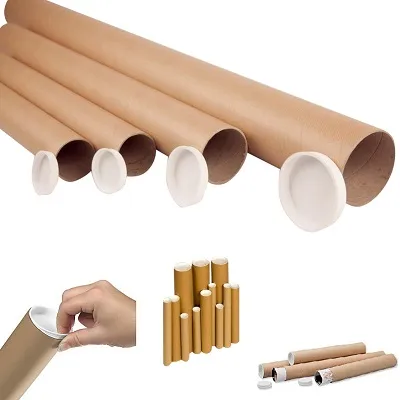
Couples who love art often appreciate a rolled print, and poster tubes look surprisingly smart when you finish them with a plain tag. Frames are a different story. They need a flat box and padding on every side.
Christmas and seasonal gifts
December is the real test. You’re wrapping dozens of presents, posting half of them, and everything still has to look festive. Treat the inside and the outside as separate jobs.
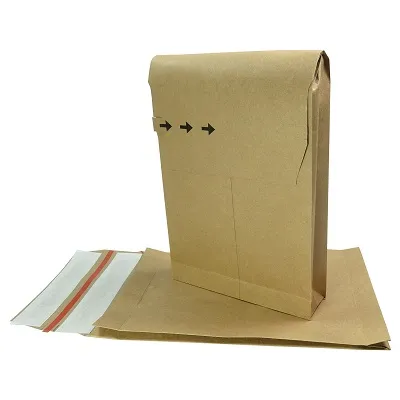
Inside, go as festive as you like with coloured tissue paper and a tag. Outside, use a plain kraft paper bag for soft items, cardboard envelopes for cards and prints, or a sturdy box for everything else.
Order early, too. The popular sizes run low first, and it’s easier to choose calmly in October than in the second week of December. Buying from packaging suppliers early also leaves time to swap a size that turns out to be wrong.
Which Packaging Suits Which Type of Gift?
Match the pack to the gift’s shape. Soft items are fine in a postage bag, flat items need a stiff board-backed pack, rolled items belong in a tube, and anything fragile needs a box with padding. Choose the shape first, then dress it up to suit the occasion.
Different packaging materials do different jobs, and each has a limit. Here’s how the main options line up against common gifts.
Soft gifts are best suited for postage bags
Scarves, baby clothes, knitwear and soft toys don’t mind a squeeze. A polythene bag is light and flexible and helps keep rain off the contents, while a kraft paper version feels gentler for a present. Wrap the item in tissue first so the recipient still gets an unwrapping moment.
The limit is obvious. A bag offers almost no crush protection, so it’s wrong for anything with a sharp edge, a delicate finish or a box that mustn’t dent.
Flat gifts: when cardboard envelopes win
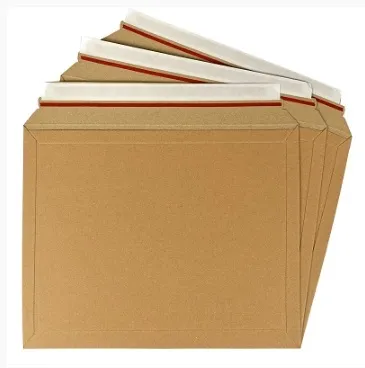
Photographs, handwritten letters, concert tickets, certificates and small prints all hate bending. A board-backed envelope, printed on the front with a “please do not bend” warning, is precisely what they need. Slip the item into a sleeve or a sheet of tissue first, and add a second piece of card behind anything larger than a postcard.
The limit here is thickness. An envelope resists bending, not squashing, so once the gift has real depth, move it up to a box.
Rolled gifts: why poster tubes still make sense
Art prints, maps, calendars and even a roll of handmade wrapping paper belong in a tube. Roll the item loosely, never tightly, and wrap it in tissue or plain paper so the surface doesn’t rub against the cardboard. Then slide it in and press the plastic end caps on firmly.
The trade-off is shape. A tube is awkward to wrap, so tie or tape a tag to the outside instead of fighting with paper. And it’s the wrong choice for anything framed or mounted on board, which needs to stay flat.
How Do You Wrap a Gift So It Survives the Post?
Wrap the gift in tissue paper, add a layer of padding or corrugated paper, then place it inside a sturdy outer pack that fits snugly with no rattle. Seal every seam with strong tape, label the parcel clearly, and mark fragile items. The outer pack provides protection, while the inner layer enhances presentation.
Most damage happens for boring reasons: a pack that’s too big, a seam that’s under-taped, and a gift that can slide about. Fix those three, and you’ve dealt with most of the risk.
Construct the layers from the innermost to the outermost.
Start with the presentation layer: tissue paper, folded neatly, with any card or tag tucked on top. Next comes cushioning.
Crumpled or rolled corrugated paper suits gifts with corners because it fills gaps without the plastic feel of other fillers. Last is the outer pack, which should be snug. Shake the parcel. If something moves, it’s too big.
For flat gifts in cardboard envelopes, a second sheet of card behind the item is cheap insurance. For anything delicate, go for a box with at least a finger’s width of padding on each side.
Seal it and label it properly.
Use proper packing tape rather than the half-used roll left over from last Christmas, and run it along every seam. Fragile warning tape isn’t a guarantee, but it does make a busy handler pause for a second.
Write the address clearly on the pack. The shipping label should be securely attached and clearly readable.
What To Ask Packaging Suppliers Before You Buy
If you’re buying for a wedding, a party’s worth of favours or a run of Christmas parcels, ask three questions:
1. Which sizes are available, and will your gifts fit with a little room to spare?
2. Can you order a small sample first?
3. Do the colours and finishes match what you saw online?
A sample order that costs a few pounds beats a hundred envelopes that don’t fit. Bulk buying isn’t always the answer, either. For one or two gifts a year, reused boxes and a roll of kraft paper are perfectly sensible.
Frequently asked questions
1. Can I post a gift in a postage bag?
It depends on the gift. A postage bag suits soft items such as clothing, scarves and soft toys, especially wrapped in tissue first. It isn’t suitable for anything fragile, rigid or with sharp corners, because it offers little crush protection. For those gifts, choose a box or a rigid pack instead.
2. Are board-backed envelopes safe for framed photos?
Not on their own. A board-backed envelope resists bending, but a frame needs crush protection, so use a flat box with padding on both sides. Unframed photos are different: tucked between two pieces of card, they travel well in a stiff envelope.
3. Can I use a tube for anything other than posters?
Yes. Poster tubes suit anything that rolls without harm: maps, calendars, certificates, fabric lengths and sheets of wrapping paper. Roll the item loosely, wrap it in tissue, and fit the end caps firmly. Avoid anything stiff or framed, which can’t roll.
4. Do I need to buy packaging for a one-off gift?
Buy only what you need. For one or two gifts a year, a reused sturdy box and a sheet of tissue are perfectly sensible, and a few single packs from packaging suppliers will fill any gaps. Bulk buying only pays off for weddings, parties or regular sending, when the saving per pack starts to show.
Summing up
Good gift packaging starts with the occasion and ends with the journey. Birthdays require vibrant colours, weddings call for restraint, and Christmas gifts need a festive interior and a sturdy exterior. Matching your packaging materials to the gift, rather than the other way around, saves money, prevents damage and improves the unwrapping.
The packaging is the first thing anyone touches, so it’s worth a few minutes of thought. Get it right, and the gift has made its point before it’s even opened.