How to Prepare Industrial Dust Collection Systems for Winter Operations
By Garant Filter
2 Views
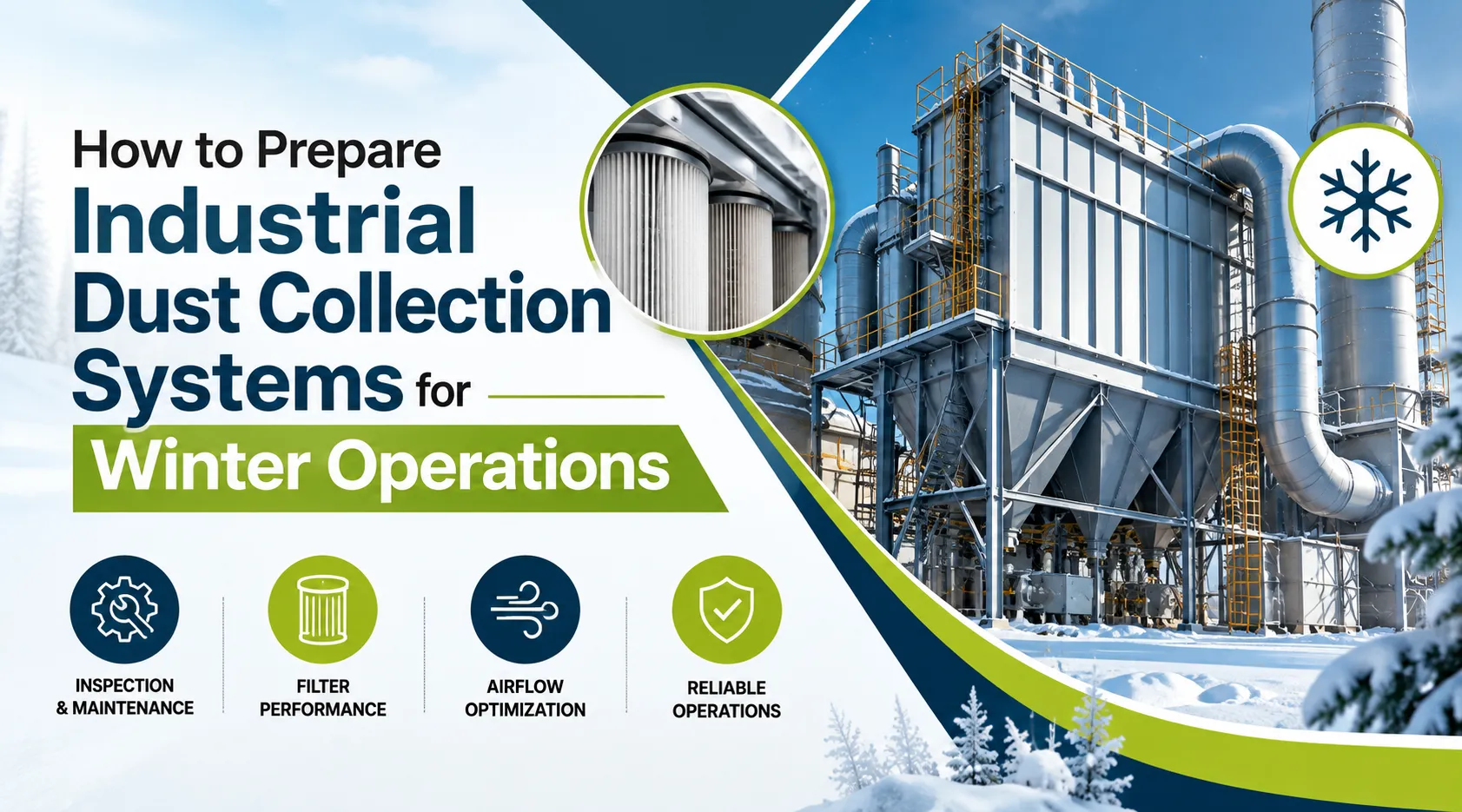
Winter can create several challenges for industrial dust collection systems, especially in factories that operate continuously. Low temperatures, moisture, and condensation can affect airflow, filter performance, and equipment reliability. Preparing your system before winter arrives helps reduce unexpected breakdowns, maintain production efficiency, and support workplace safety. Proper maintenance is essential for keeping dust extraction equipment running smoothly during colder months.
An experienced industrial dust collector manufacturer understands how seasonal changes affect filtration equipment, ductwork, fans, and dust handling components. With the right preparation, industrial facilities can reduce downtime, protect critical equipment, and maintain consistent dust collection performance throughout winter. Here are the key steps to prepare your system for cold-weather operations.
Why Winter Preparation Is Important for Industrial Dust Collection Systems
Cold weather can affect several parts of a dust collection system. Temperature differences between warm process air and cold external surfaces may cause condensation, while moisture can lead to filter clogging, corrosion, and material buildup. In some industries, wet dust may become difficult to discharge from hoppers and conveying equipment.
Winter maintenance also helps identify worn components before they fail during peak production periods. A planned inspection is usually easier and less disruptive than repairing equipment after an unexpected shutdown.
1. Inspect and Maintain Dust Collector Filters
Check Filter Condition and Airflow
Filters are essential for capturing airborne dust and maintaining clean exhaust air. During winter, condensation can make dust stick to filter media, increasing pressure drop and reducing airflow. Damaged or heavily clogged filters may also increase the load on the fan.
Inspect filter bags or cartridges before the cold season begins. Replace damaged elements, clean filters according to the manufacturer's recommendations, and monitor differential pressure to identify restrictions early.
Prevent Moisture-Related Filter Problems
Moisture control is especially important when handling hygroscopic dust or warm, humid process air. Insulating exposed equipment and maintaining suitable operating temperatures can help reduce condensation.
2. Protect Ductwork Against Condensation and Freezing
Inspect Insulation and External Ducts
Exposed ductwork can become very cold during winter, increasing the risk of condensation when warm, moisture-laden air passes through it. Inspect insulation for gaps, damaged coverings, and water entry points.
Where freezing conditions are possible, check low points, drains, and outdoor sections for water accumulation. Insulation and heat tracing may be appropriate for specific applications, but they should be selected according to process conditions and equipment requirements.
3. Check Fans, Motors, and Electrical Components
Cold temperatures can affect lubrication, motor starting, and the performance of mechanical components. Inspect fan bearings, belts, couplings, and motor mounts for wear, vibration, or unusual noise. Verify that electrical connections, protective devices, and motor controls are working correctly.
A variable frequency drive (VFD) can help regulate fan speed when system demand changes. However, its settings should be reviewed by a qualified technician to ensure the fan operates within its designed limits.
4. Maintain Hoppers and Dust Discharge Equipment
Collected dust must move smoothly from the hopper into the disposal or conveying system. Moisture can cause certain materials to stick together, form deposits, or obstruct discharge equipment.
Before winter, inspect rotary airlocks, screw conveyors, pneumatic conveying lines, and hopper outlets. Ensure that seals are intact and that heating or insulation is provided where the process specifically requires it.
5. Review System Performance and Safety
Facilities should verify that the dust collector delivers the required airflow to every connected machine. Check static pressure, differential pressure, fan performance, and visible signs of leakage. Also, inspect grounding and bonding, explosion protection, and spark-control measures where combustible dust is present.
A reliable industrial dust collection system manufacturer can help assess system performance and recommend upgrades based on actual operating conditions. Businesses comparing industrial dust collector manufacturers in India should evaluate engineering expertise, maintenance support, spare-part availability, and the suitability of the equipment for their industry.
Winter Preparation Checklist
Complete these essential checks before temperatures drop:
- Inspect filters, fans, motors, and bearings.
- Repair damaged duct insulation and seals.
- Check drains, hoppers, and dust discharge equipment.
- Test monitoring instruments and electrical protection.
- Review emergency procedures and maintenance schedules.
6. Consider Professional Servicing and Equipment Upgrades
If your system frequently loses suction, experiences filter blockages, or requires repeated repairs, winter is a good time to review its overall condition. An experienced industrial dust extraction equipment manufacturer can evaluate airflow limitations, outdated components, and opportunities to improve energy efficiency.
Refurbishment may also be a practical option when the existing collector has a sound structure but needs component replacement or performance improvements. Industrial dust collector through refurbishment can be a useful approach for extending equipment life when supported by a proper technical assessment, suitable replacement parts, and safety checks.
Conclusion
Preparing industrial dust collection equipment for winter helps maintain airflow, protect filters, prevent moisture-related problems, and reduce unexpected downtime. Start with a detailed inspection of filters, ductwork, fans, motors, hoppers, and safety controls. Address insulation gaps and condensation risks before temperatures fall, and establish a regular monitoring schedule throughout the season. If your equipment shows recurring performance issues, consult a qualified specialist about maintenance, upgrades, or refurbishment. Contact an experienced dust collection solutions provider today to assess your system and prepare your facility for reliable, efficient, and safe winter operations.