Protect Your Investment: 4 Must-Ask Questions for Mansfield Landscapers Before Hiring
By rich rathor
99 Views
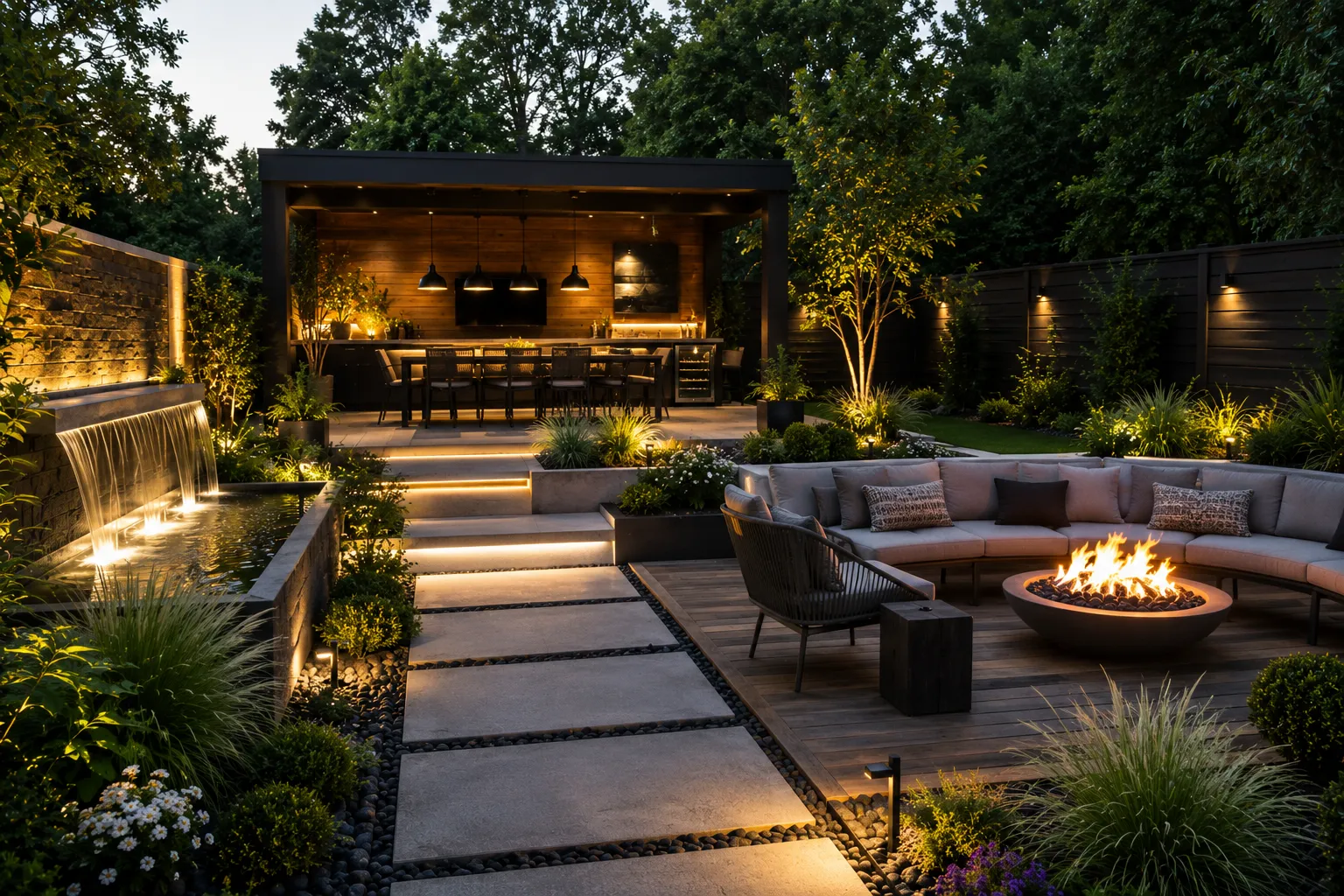
Hiring a landscaping contractor is a significant decision because the quality of the work can affect your property's appearance, usability, maintenance needs, and long-term value. Before signing an agreement, homeowners should do more than compare prices or browse attractive project photos. Asking the right questions can reveal how experienced, organized, and transparent a contractor really is. For homeowners searching for landscapers in Mansfield a detailed conversation before work begins can prevent misunderstandings and unexpected costs. The goal is to choose a professional who understands your property and can deliver the project you actually want.
1. How Much Experience Do You Have With Projects Like Mine?
One of the first questions to ask is whether the contractor has completed projects similar to yours. Landscaping can range from basic lawn maintenance and planting to grading, irrigation, patios, retaining walls, outdoor kitchens, and complete backyard renovations. A contractor experienced with your particular project is more likely to anticipate site challenges and recommend appropriate materials and techniques. Ask how long the company has been operating and how frequently it completes the type of work you need. Relevant experience is more valuable than simply having many years in business.
If you are planning a substantial renovation, request examples of comparable completed projects. A reputable contractor should be able to show photographs or explain previous work without making unrealistic promises about what your property will look like. If possible, ask for references from customers who had similar projects completed. Their experiences can provide useful insight into communication, scheduling, workmanship, and post-project support. This research can help distinguish genuine experience from marketing claims and give you greater confidence before making a financial commitment.
2. What Exactly Is Included in the Contract?
Never assume that everything discussed during an initial consultation will automatically be included in the final price. Ask the contractor to provide a detailed written scope of work that explains exactly what will be installed, removed, repaired, or modified. Depending on the project, this may include grading, soil preparation, plants, sod, mulch, edging, irrigation adjustments, hardscape materials, lighting, drainage work, cleanup, and disposal. The more specific the agreement is, the easier it becomes to understand what you are paying for. Written details also provide a useful reference if questions arise during construction.
Homeowners should carefully review quantities, materials, measurements, labor, and project exclusions before signing. If something important was discussed verbally but does not appear in the agreement, ask for clarification and have the contract updated when appropriate. This is particularly important for larger landscaping projects where small changes can significantly affect the final cost. Experienced landscapers in Mansfield should be comfortable explaining contract details rather than pressuring you to sign quickly. A clear agreement protects both the homeowner and the contractor.
3. Who Will Actually Perform and Supervise the Work?
It is important to know who will be working on your property after the contract is signed. Some landscaping companies use their own crews, while others rely partly or entirely on subcontractors for specialized services. Ask whether the people who initially discuss the project with you will remain involved during construction. You should also know who your primary contact will be if you have questions or concerns once work begins. Clear responsibility makes communication much easier throughout the project.
For projects involving multiple trades, ask how the contractor coordinates different crews and schedules. A backyard renovation may involve landscaping, masonry, irrigation, drainage, electrical work, or carpentry, depending on the design. Poor coordination can create delays or installation problems, particularly when one phase needs to be completed before another can begin. A professional contractor should have a reasonable process for supervising the work and maintaining quality control. Understanding that process before signing can help establish realistic expectations for the project.
4. Are You Properly Insured and Do You Handle Permits?
Before work begins, ask what insurance coverage the company carries and what protections apply to your particular project. General liability insurance can help address certain types of accidental property damage, while workers' compensation requirements may apply when employees are working on the property. If subcontractors are involved, ask how their insurance and responsibilities are handled. Do not hesitate to request documentation when appropriate. Professional contractors generally recognize that homeowners have legitimate reasons for verifying these details.
Some landscaping projects may also involve permits or requirements depending on the scope and location of the work. This can be particularly relevant when a project includes structural features, drainage modifications, irrigation, electrical components, or other regulated improvements. Ask the contractor whether permits or inspections may be required and who is responsible for obtaining them. Do not rely on assumptions when the project involves construction beyond basic planting or lawn work. Clarifying these responsibilities before construction begins can reduce delays and compliance problems.
How Will You Handle Changes and Unexpected Site Conditions?
Even carefully planned landscaping projects can encounter unexpected conditions. Hidden drainage issues, unsuitable soil, buried materials, difficult access, or changes requested by the homeowner can affect the original plan. Ask the contractor how these situations are handled and whether additional work requires your approval before it is performed. A good contract should explain the process for change orders and additional costs. This protects you from discovering unexpected charges after the work has already been completed.
If you are working with a backyard remodeler Mansfield homeowners can trust, communication about changes should be straightforward and documented. Ask whether changes will be provided in writing and how they could affect the timeline or budget. Avoid contractors who suggest that significant changes can simply be handled informally without updating the agreement. Clear documentation reduces confusion for everyone involved. It also demonstrates that the contractor has an organized approach to project management.
What Materials and Plants Do You Recommend, and Why?
A professional landscaping plan should be based on more than appearance. Ask why specific plants, turf varieties, soil products, mulch, pavers, stone, or other materials are being recommended for your property. Factors such as sunlight, drainage, soil conditions, irrigation, expected foot traffic, maintenance preferences, and the surrounding environment can all influence material selection. An experienced contractor should be able to explain the advantages and limitations of their recommendations. This conversation can help you understand what you are actually investing in.
For a backyard renovation, material quality can have a major impact on durability and maintenance. Ask about product specifications, installation methods, expected maintenance, and applicable warranties. If plants are included, clarify whether there is a plant warranty and what conditions may void it. Remember that even high-quality plants can struggle if they are installed incorrectly or receive inadequate water. A knowledgeable landscaping professional should address both product quality and proper installation practices.