Smart Heating Innovations Transforming Residential Boiler Systems in 2026
By Gleason HVAC
114 Views
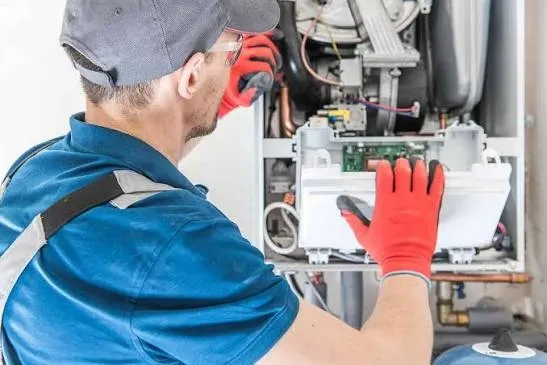
Home heating technology is advancing rapidly as homeowners seek greater efficiency, reliability, and sustainability. In 2026, modern boiler systems are benefiting from innovations that improve performance, reduce energy consumption, and simplify maintenance. These developments are helping homeowners achieve better comfort while lowering long-term operating costs.
As energy prices continue to fluctuate and environmental regulations become more stringent, homeowners are increasingly focused on maximizing the value of their heating systems. Smart controls, predictive diagnostics, and connected home technologies are changing how boilers operate and how heating performance is managed throughout the year.
Rather than reacting to unexpected failures, many homeowners are embracing proactive maintenance strategies that improve reliability and extend equipment lifespan. This shift is creating a new standard for residential heating that emphasizes intelligence, efficiency, and long-term performance.
The Evolution of Modern Boiler Technology
Boiler systems have undergone significant advancements over the past decade. Modern units are designed to deliver consistent heat while consuming less fuel than previous generations. Improvements in combustion technology, heat exchange efficiency, and control systems have made today's boilers more effective and environmentally responsible.
One of the most important developments is the integration of intelligent operating systems. These technologies allow boilers to continuously adjust performance based on household demand and environmental conditions. Instead of operating at fixed levels, modern systems optimize energy usage in real time.
This adaptability improves comfort while reducing unnecessary energy consumption. As a result, homeowners can maintain stable indoor temperatures without experiencing excessive utility costs.
Smart Diagnostics Are Changing Maintenance Practices
A major trend influencing residential heating in 2026 is the adoption of smart diagnostic technology. Advanced sensors continuously monitor critical performance indicators such as water temperature, pressure levels, burner operation, and system efficiency.
Artificial intelligence analyzes this information to identify irregular patterns and potential concerns before they develop into major issues. Homeowners can receive alerts through mobile applications, enabling early intervention and reducing the likelihood of unexpected breakdowns.
When boiler repair becomes necessary, these diagnostic capabilities provide valuable information that helps technicians identify problems more efficiently. Instead of relying solely on manual inspections, service professionals can use performance data to pinpoint the root cause of issues with greater accuracy.
This approach saves time, improves repair outcomes, and minimizes disruptions to household comfort.
Energy Efficiency Remains a Key Priority
Energy efficiency continues to drive innovation throughout the heating industry. Homeowners are increasingly interested in technologies that lower operating costs while reducing environmental impact.
Condensing boiler technology remains one of the most effective advancements in residential heating. By capturing and reusing heat that would otherwise be lost through exhaust gases, these systems achieve significantly higher efficiency levels than traditional models.
Variable-capacity operation is another important trend. Modern boilers can automatically adjust output to match heating demand, eliminating unnecessary energy use during milder conditions. This results in more consistent temperatures and lower fuel consumption throughout the year.
Maintaining peak efficiency often depends on addressing performance issues promptly. Timely boiler repair services help preserve energy savings and ensure systems continue operating at optimal levels.
Integration With Smart Home Ecosystems
The growth of smart home technology is reshaping how homeowners interact with heating systems. Boilers are increasingly integrated into connected ecosystems that provide enhanced convenience and control.
Mobile applications allow users to adjust settings remotely, monitor energy usage, and receive maintenance notifications. These tools provide valuable insights into system performance and help homeowners make informed decisions regarding energy management.
Voice assistant compatibility is also becoming more common. Homeowners can adjust temperatures, activate schedules, and access system information using simple voice commands.
This level of connectivity improves the overall user experience while supporting more efficient operation and proactive maintenance practices.
Sustainability and Environmental Considerations
Environmental responsibility continues to influence heating system upgrades in 2026. Homeowners are seeking solutions that align with sustainability goals while maintaining reliable performance.
Manufacturers are responding by developing boilers that utilize cleaner combustion technologies and environmentally responsible materials. Many systems are also designed to integrate with renewable energy sources and hybrid heating solutions.
These innovations help reduce carbon emissions while supporting broader efforts to improve residential energy efficiency. As governments continue implementing stricter energy standards, homeowners who invest in advanced heating technologies are better positioned for future compliance.
The combination of efficiency and sustainability is making modern boilers an attractive option for environmentally conscious households.
Predictive Maintenance Is Becoming the Industry Standard
Traditional maintenance schedules are gradually being replaced by predictive service models. Instead of relying solely on annual inspections, homeowners now benefit from continuous system monitoring and real-time performance analysis.
Predictive maintenance platforms can identify component wear, performance declines, and developing issues before they lead to equipment failure. This allows repairs to be scheduled proactively, reducing downtime and preventing costly emergencies.
As predictive technologies continue advancing, heating systems will become even more reliable and efficient. Homeowners will gain greater confidence in their equipment while enjoying improved comfort and reduced maintenance expenses.
Conclusion
The future of residential heating is increasingly defined by intelligence, connectivity, and efficiency. Boiler technology continues to evolve as manufacturers integrate advanced diagnostics, artificial intelligence, and smart home capabilities into modern systems.
These innovations are helping homeowners reduce energy consumption, improve reliability, and achieve greater control over indoor comfort. As the industry continues progressing throughout 2026 and beyond, proactive maintenance and technology-driven solutions will play an increasingly important role in heating system performance.
By embracing modern innovations and maintaining equipment strategically, homeowners can maximize the value of their heating investments while creating more comfortable and energy-efficient living environments for years to come.