Solar Panel Detach and Reset Contractors | Sunaura Solar Guide
By cavinsmith
79 Views
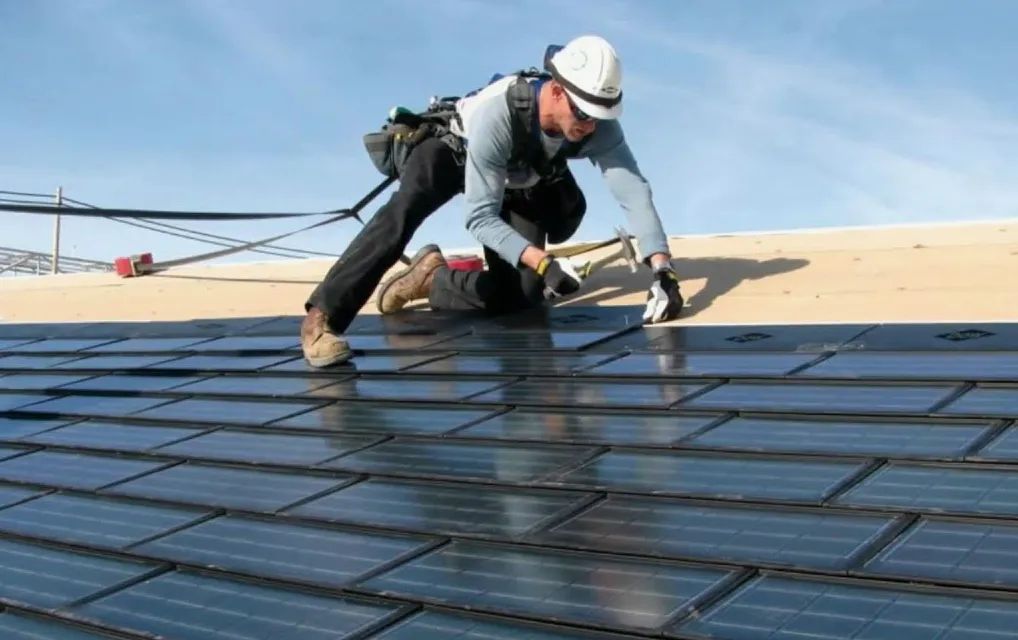
- Rooftop solar systems are designed for long-term energy production, but the roof beneath them eventually needs maintenance, repairs, or replacement. When that happens, simply leaving the panels in place is rarely practical because roofing professionals need access to the surface underneath the array. solar panel detach and reset contractors provide specialized support by carefully removing solar equipment before construction, protecting it while the roof is being serviced, and reinstalling the system after the work is complete. For homeowners and businesses, professional coordination can help protect an existing solar investment while allowing essential roof work to move forward.
- Selecting experienced solar panel detach and reset contractors is important because a solar array involves more than panels. Mounting equipment, electrical connections, wiring, roof penetrations, inverters, and monitoring components all need to be considered. Sunaura Solar specializes in solar detach and reset services for roofing projects and supports residential and commercial customers throughout North Texas and other Texas markets. Its process emphasizes system documentation, equipment protection, coordination with roofing crews, proper reinstallation, and final performance verification, giving property owners a more organized approach to an otherwise complicated project.
- Solar detach and reset is a temporary removal and professional reinstallation service used when roof work requires access beneath an existing solar array. Before the panels are removed, the system should be assessed and documented so its configuration can be restored accurately. The removal stage requires appropriate electrical shutdown procedures and careful handling of panels, wiring, mounting components, and other equipment. Once removed, the equipment should be stored safely away from construction activity. After the roof replacement or repair is finished, the solar system can be returned to the roof. Reinstallation involves restoring mounting components, checking relevant roof attachments, reconnecting electrical equipment, and reviewing system operation. The objective is not merely to put panels back in their previous positions but to return the entire installation to a safe and functional condition.
- A roofing project and a solar project often involve different contractors, schedules, and technical responsibilities, making communication essential. Roofing crews may need to remove existing materials, inspect the roof deck, replace damaged areas, install new roofing, and complete work around penetrations that previously supported the solar system. Solar equipment can interfere with those activities if it remains installed. Professional coordination allows the solar contractor to schedule removal before roofing begins and return for reinstallation when the roof is ready. This approach can reduce unnecessary downtime and prevent contractors from working around equipment that should have been removed. Sunaura Solar's process includes coordinating dates, access, and safety requirements with roofing partners, helping establish a predictable transition between the solar and roofing phases of the project.
- Homeowners should evaluate a contractor based on more than price when selecting a company for solar removal and reinstallation. Experience with existing solar systems is important because arrays can differ significantly in panel configuration, mounting methods, wiring, inverter technology, and age. A capable contractor should be able to explain how the system will be documented before removal, how components will be labeled and protected, and what inspections will occur before the equipment is reinstalled. Clear communication with the roofing company is another valuable consideration. Property owners should also ask how the contractor handles roof penetrations and mounting hardware, particularly when older components may require inspection or replacement. Sunaura Solar identifies itself as a licensed and insured electrical contractor and provides solar detach and reset services alongside installation, maintenance, inspections, repairs, and other electrical solutions.
- Solar panels are built for outdoor use, but temporary removal still requires controlled handling. Glass surfaces and aluminum frames can be damaged by impacts, while connectors and wiring can suffer from unnecessary stress if they are pulled or improperly positioned. Once removed, panels should be stored in an area protected from roofing debris, tools, ladders, vehicles, and other construction hazards. Mounting rails and hardware should remain organized so they can be evaluated before the reset begins. This is also an appropriate time to identify components that may have experienced wear from years of exposure to heat, moisture, wind, and sunlight. Protecting the equipment during the roofing phase is important because damage introduced during temporary storage can create problems that did not exist before the project started. A disciplined detach process therefore serves as the foundation for a successful reinstallation.
- The connection between the solar mounting system and the roof deserves particular attention during a detach-and-reset project. Roof penetrations need to be properly managed while solar equipment is removed and while roofing work takes place. Flashings and related components may need to be verified or replaced depending on their condition and the requirements of the new roofing system. Mounting hardware should likewise be evaluated rather than automatically reused without inspection. Addressing these details can help reduce the possibility of water intrusion or installation problems after the panels are returned. Coordination between the roofer and solar contractor is especially useful because each professional can focus on the portion of the project within their expertise. The finished roof should provide a suitable foundation for the solar array, while the reinstalled equipment should complement the completed roofing system.
- Once the roof is complete and ready for the solar system, the reset phase can begin. The contractor restores the mounting equipment and positions the panels according to the documented layout or an appropriately updated design. Electrical connections are then restored, with attention to connectors, cable routing, equipment configuration, and other relevant system components. Proper torque and secure mounting are important details because the panels need to remain stable under normal environmental conditions. Sunaura Solar describes its reinstallation process as including verified or new flashings, appropriate torque, organized wiring, and system monitoring checks. After the physical installation is complete, the system should be brought back online and tested. Confirming production and monitoring data provides an additional layer of assurance that the solar array has been successfully recommissioned.
- The timeline varies depending on the size of the array, roof accessibility, equipment configuration, construction schedule, and weather. Sunaura Solar states that many residential removals take approximately four to seven hours, while reinstallation commonly takes six to twelve hours once the roof is ready. The roofer determines when the newly completed roof can accept the solar equipment, which may depend on the roofing materials and project conditions. Larger commercial arrays or complicated installations can require additional time. Homeowners should therefore avoid relying on a generic timeline when planning their project. An early assessment allows the solar contractor to evaluate the system and coordinate realistic dates with the roofing company. This is particularly useful when the homeowner needs to minimize the period during which the solar system is offline.
- A lack of advance planning is one of the easiest ways to complicate a solar roof project. Waiting until the roofing crew is ready to start can leave insufficient time for professional panel removal and create delays. Another mistake is allowing people without appropriate solar and electrical experience to disconnect or move system components. Improper handling can cause physical or electrical damage and may complicate the eventual reset. Poor storage is another concern because panels can be exposed to construction hazards while they are off the roof. Homeowners should also avoid assuming that every mounting component is suitable for immediate reuse. Inspection can reveal wear or other conditions that should be addressed before reinstallation. Finally, the completed system should be tested rather than judged solely by its appearance. Confirming operation and monitoring helps identify potential issues before the project is closed.
- Solar detach and reset work combines rooftop access, electrical knowledge, equipment handling, and project coordination. A contractor experienced in this type of service can help property owners navigate the transition between roofing and solar work without treating either system as an afterthought. Sunaura Solar reports more than a decade of experience, over 1,000 solar installations, and service for homeowners and roofing partners across its Texas markets. The company also works with solar systems it did not originally install and describes its service as brand-agnostic. For property owners, these capabilities can be useful when the original solar installer is unavailable or when an existing system requires professional assistance before a roof project. The most important consideration remains a clear scope of work, careful handling, appropriate installation practices, and final system verification.
- A roof replacement does not have to disrupt the long-term value of a solar investment when the project is properly coordinated. Professional removal gives roofing teams the access they need while helping protect panels, wiring, mounting hardware, and related equipment during construction. Once the roof is ready, careful reinstallation, attention to flashings and attachments, organized wiring, and system testing help restore the array to service. Property owners researching solar panel detach and reset contractors should focus on experience, communication, equipment protection, roofing coordination, and post-installation verification rather than choosing a provider based solely on price. With early planning and qualified professional support, homeowners and businesses can approach a solar detach-and-reset project with greater confidence and a clearer path from temporary removal to dependable solar operation.