The Complete Guide to Professional Natural Hairstyles for Every Occasion
By Emma Smith
3 Views
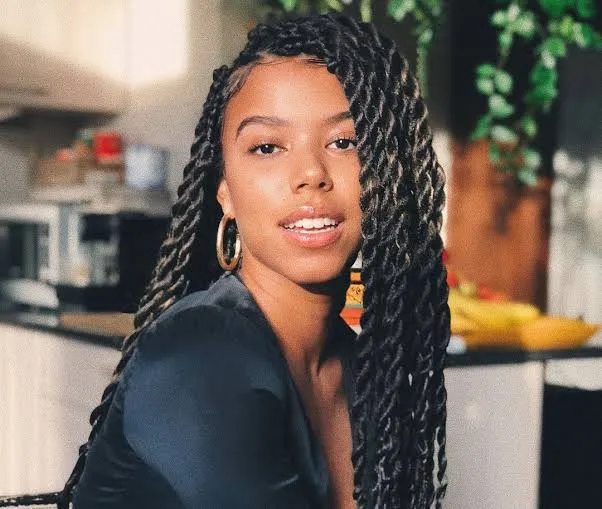
Natural hair offers endless opportunities to express personal style while maintaining a polished, professional appearance. Whether you are preparing for an important meeting, heading to the office, attending a networking event, or enjoying a casual Friday, the right hairstyle can help you feel confident and comfortable. Professional natural hairstyles work with your hair's natural texture rather than requiring you to hide or change it. From elegant buns and defined curls to classic twists and protective styles, there is an option for almost every hair length, texture, and lifestyle. The key is finding hairstyles that complement your features, suit the occasion, and fit comfortably into your regular hair care routine.
Why Professional Natural Hairstyles Matter
A well-chosen style can keep hair away from your face, reduce the need for frequent restyling, and help you feel prepared for different workplace situations. Professional natural hairstyles are about more than appearance; they can also make everyday hair care easier and more manageable. Natural hair comes in many textures, densities, and curl patterns, so a professional look does not have to follow one specific formula. A neatly arranged afro, a low puff, defined curls, or a simple braided style can all look appropriate depending on the setting and your personal preferences. Choosing a style that feels authentic can help you maintain confidence without sacrificing comfort.
Workplace expectations also vary by industry, company culture, and individual role. A corporate office may encourage understated styling, while a creative workplace might welcome more expressive accessories, colors, or shapes. Rather than assuming that professional hair must look a certain way, consider whether your hairstyle is comfortable, secure, and suitable for the day's activities. You should also feel free to adapt your look to reflect your personality. With a few dependable styling techniques, you can create a collection of looks that work for professional and personal occasions alike.
Professional Natural Hairstyles for Everyday Office Wear
For regular office days, practical hairstyles that require minimal maintenance are often the easiest to manage. A low puff is a reliable option because it gathers the hair neatly while allowing your natural texture to remain visible. Apply a suitable moisturizing product if needed, gently arrange the hair, and secure it with a soft band that does not pull at the roots. You can smooth the front sections for a more structured finish or leave the texture natural for a relaxed appearance. This versatile hairstyle pairs well with blouses, tailored trousers, simple dresses, and other everyday workwear.
Two-strand twists are another excellent choice for a busy schedule because they can be worn in several ways. Medium-sized twists can frame the face, fall freely around the shoulders, or be gathered into a low bun for a more formal look. They can also serve as the foundation for a twist-out when you want defined curls later. For a neat finish, keep your sections reasonably consistent and use products that work well with your hair without leaving excessive buildup. Protecting your twists at night with a satin or silk scarf or bonnet may help reduce friction and preserve the style.
If you prefer to wear your hair loose, a defined wash-and-go can provide a polished everyday appearance. Start with clean, conditioned hair and apply your preferred styling product according to its instructions. Encourage your natural curl pattern without excessive manipulation, then allow your hair to dry thoroughly before arranging it for the day. You can gently shape the front sections or use discreet pins to keep hair away from your eyes. Since curl definition and drying time vary by hair type, experiment with your routine on a day when you have extra time rather than rushing before work.
Elegant Hairstyles for Meetings, Interviews, and Special Events
Important professional occasions may call for a slightly more structured hairstyle, especially when you want your hair to stay in place throughout a long day. A sleek low bun is a timeless option that works with many natural hair textures and pairs easily with formal clothing. Gently detangle your hair, create your preferred part, and gather it at the nape of your neck before securing it into a bun. Use a small amount of suitable styling product to manage flyaways if desired, but avoid pulling the hair too tightly. The finished look is simple, versatile, and easy to adapt for interviews, presentations, conferences, or formal dinners.
Flat-twist updos can offer a more detailed appearance without requiring elaborate tools or accessories. Create a middle or side part, then work each section into a flat twist that follows the shape of your head. Gather the remaining hair into a bun or pin it securely at the back to complete the style. Beginners can start with two larger twists and gradually experiment with more intricate designs as their technique improves. This hairstyle can complement a blazer, a structured dress, or a coordinated professional outfit while keeping hair comfortably away from your face.
For celebrations, networking events, and evening occasions, consider a defined twist-out, a carefully shaped afro, or a braided updo with a subtle accessory. These styles allow you to express your personality while maintaining a finished appearance. A simple headband, decorative pin, or pair of earrings can add interest without overwhelming the overall look. Choose accessories that are comfortable and appropriate for the setting, and make sure they do not snag or pull at your hair. When possible, test the complete style before the event so you know how long it takes and how well it holds.
Protective Hairstyles That Balance Style and Hair Care
Protective hairstyles can be useful when you want to reduce daily manipulation and keep your hair organized for several days. Options include flat twists, individual twists, braids, braided updos, and other styles that tuck away or secure the ends of the hair. The best choice depends on your hair's length, condition, lifestyle, and comfort level. A simple braided style may be suitable for a workweek, while a more detailed style may require additional preparation or professional assistance. Remember that a hairstyle is not automatically protective just because it involves braiding or twisting; the technique and amount of tension matter.
When choosing braids for work, prioritize a comfortable fit over an extremely tight or rigid finish. Excessive tension, particularly around the temples and hairline, can contribute to breakage and traction alopecia over time. Avoid adding unnecessary weight, and speak up if a style causes pain, headaches, or persistent scalp discomfort. Keep your scalp clean according to your hair care needs, and moisturize your hair appropriately without applying so much product that it becomes difficult to manage. If you notice ongoing thinning or scalp irritation, consult a qualified dermatologist for personalized guidance.
Protective styling also works best when paired with a consistent maintenance routine. Before styling, gently detangle your hair and make sure it is clean and conditioned as needed. While wearing the style, follow suitable cleansing and moisturizing practices rather than leaving your hair unattended for extended periods. At night, use a satin or silk covering to help limit friction from bedding. When removing braids or twists, take your time and detangle gently instead of pulling through knots, which can cause unnecessary breakage.
Matching Your Hairstyle to an Office Capsule Wardrobe
An office capsule wardrobe is a collection of versatile clothing pieces that coordinate easily, making it simpler to get dressed without spending too much time planning outfits. Professional natural hairstyles can complement this approach because a small selection of dependable looks can work with many different combinations of clothing. For example, a low puff may pair well with a button-down shirt and tailored trousers, while a twist-out can complement a knit top and blazer. A braided updo can work with a formal dress or a coordinated suit when you want a more structured appearance. Thinking about hair and clothing together can help you create a consistent personal style without making your morning routine more complicated.
Start by choosing two or three hairstyles that you can comfortably create and maintain. Consider how each one works with your usual clothing, accessories, commute, and schedule. If your wardrobe includes neutral colors and simple silhouettes, you might enjoy adding personality through natural texture, a shaped afro, or understated hair accessories. If you frequently wear bold patterns or statement jewelry, a simpler hairstyle may help balance the overall look. There is no single correct combination; the most effective choices are the ones that suit your workplace and make you feel like yourself.
Planning ahead can make the relationship between your wardrobe and hairstyle even more practical. Before the workweek begins, consider your calendar and identify days when you need a more formal look or extra time to get ready. Choose a low-maintenance style for busy mornings and save a more detailed look for an occasion when you can prepare without rushing. You can also refresh a hairstyle rather than starting from scratch every day, provided your hair and scalp remain comfortable and clean. This approach saves time while helping you maintain a professional appearance that feels consistent rather than repetitive.
How to Maintain Healthy Natural Hair Between Styles
Healthy-looking natural hair begins with a routine suited to your own texture, scalp, and styling habits. Cleanse your scalp regularly, condition your hair appropriately, and use a gentle detangling method that helps minimize unnecessary breakage. A wide-tooth comb or your fingers may work well, particularly when your hair is damp and has sufficient slip from conditioner or another suitable product. Avoid assuming that one product or routine works equally well for everyone. Pay attention to how your hair responds and adjust your approach when you notice dryness, buildup, tangling, or irritation.
Heat styling and repeated tension deserve particular attention if you regularly wear professional hairstyles. If you use a blow-dryer or other heated tool, follow the manufacturer's guidance and use an appropriate heat-protectant product. Avoid applying excessive heat too frequently, especially if you notice that your curl pattern or hair condition is changing. Similarly, rotate between styles that gather your hair and styles that allow it to rest without tight pulling. If a hairstyle hurts, causes persistent scalp tenderness, or places noticeable stress on your edges, loosen it or choose a different option.
A sustainable routine should fit your real life rather than create extra stress. Keep a small collection of useful tools, such as a wide-tooth comb, soft hair ties, sectioning clips, and a few gentle pins. Learn a handful of styles you can repeat confidently instead of constantly chasing new trends. When you need a more complex look, consider booking a qualified stylist who understands natural hair and can recommend techniques appropriate for your needs. Consistency, gentle handling, and realistic styling choices can make it easier to enjoy your natural hair across different occasions.
Conclusion
Professional natural hairstyles can be versatile, practical, and expressive, whether you are getting ready for an ordinary office day, preparing for a major presentation, or attending a special event. Low puffs, twist-outs, defined curls, flat-twist updos, and comfortable braids offer options for different textures, preferences, and schedules. By selecting styles that suit the occasion and prioritizing scalp comfort, you can build a routine that supports both appearance and hair care. Pairing your favorite looks with an office capsule wardrobe can simplify daily decisions and create a cohesive personal style. Ultimately, the best hairstyle is one that feels comfortable, reflects your personality, and helps you approach every occasion with confidence.