The Difference Between a Ring That’s “Rare” and a Ring That’s Just Marketed That Way
By Karob Jewels
12 Views
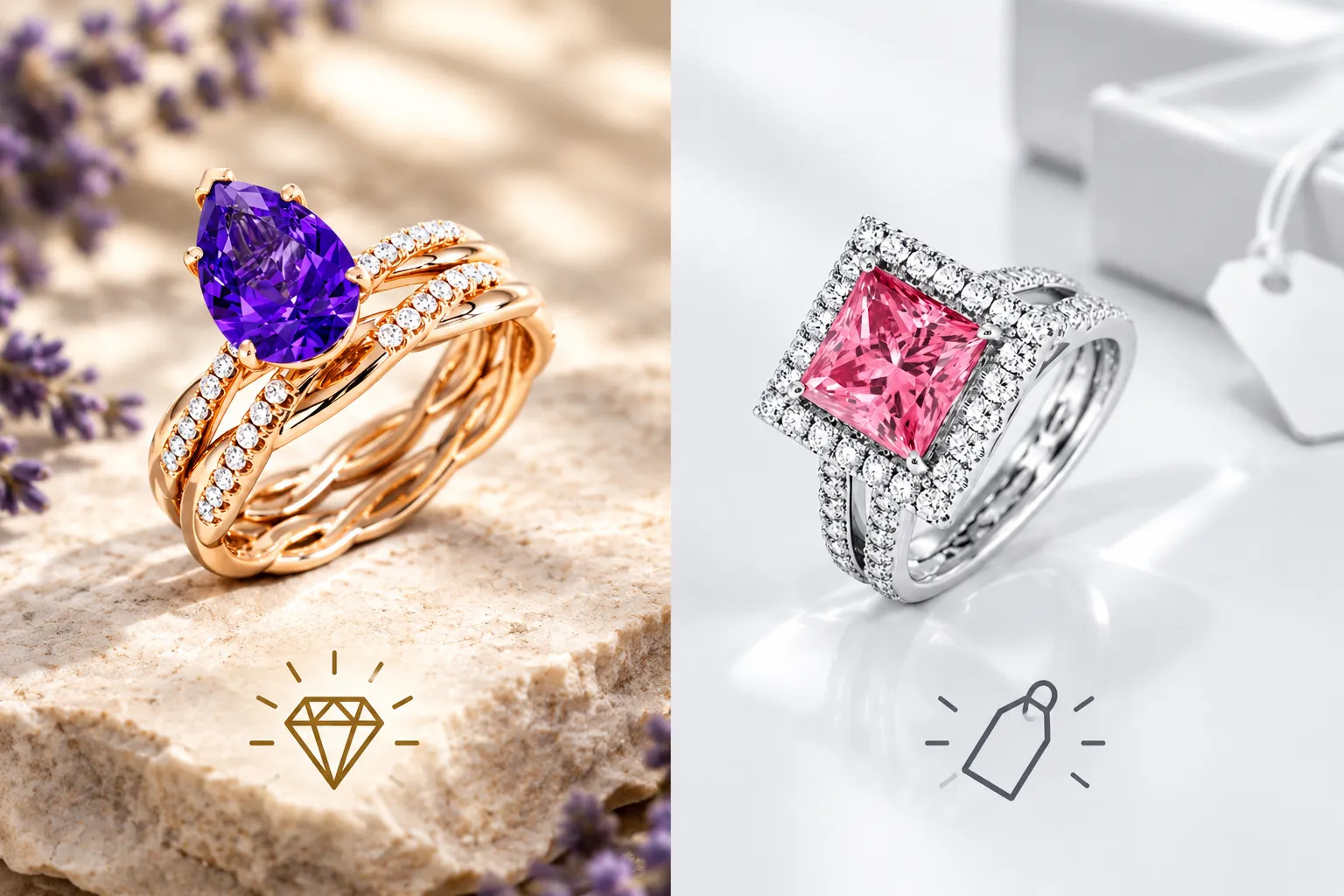
Almost every ring description uses the word “rare” at some point, which is precisely the problem. Once a word gets used on nearly everything, it stops meaning much of anything at all. Somewhere between genuine geological scarcity and a well-written product page, “rare” has become one of the most overused and least examined words in jewellery marketing, and it’s worth knowing the difference before it factors into what you pay for diamond eternity rings, engagement rings or any other ring in the UK.
What Actually Makes a Diamond Genuinely Rare
Diamond eternity rings are where the word “rare” gets used most liberally, largely because diamonds are, in overall terms, not actually rare at all. What’s rare is a specific combination of qualities within them.
The Grading Scale Tells the Real Story
The genuine scarcity of a diamond is determined by its position across cut, clarity, colour, and carat weight, which are the four measurable factors that indicate how uncommon a specific stone truly is. A diamond described as “rare” without any of these specifics attached is making a claim that can’t actually be checked, which is precisely the kind of language worth treating with suspicion.
Full vs. Half Eternity: Often Marketed Like a Rarity Question
It’s worth noting that the choice between full and half eternity settings has nothing to do with a stone’s rarity, even though marketing sometimes implies otherwise. Full eternity rings, with stones running the entire way around the band, aren’t rarer than half eternity rings; they simply use more stones. More stones mean more cost, not more scarcity, and it’s worth keeping those two ideas separate when comparing options.
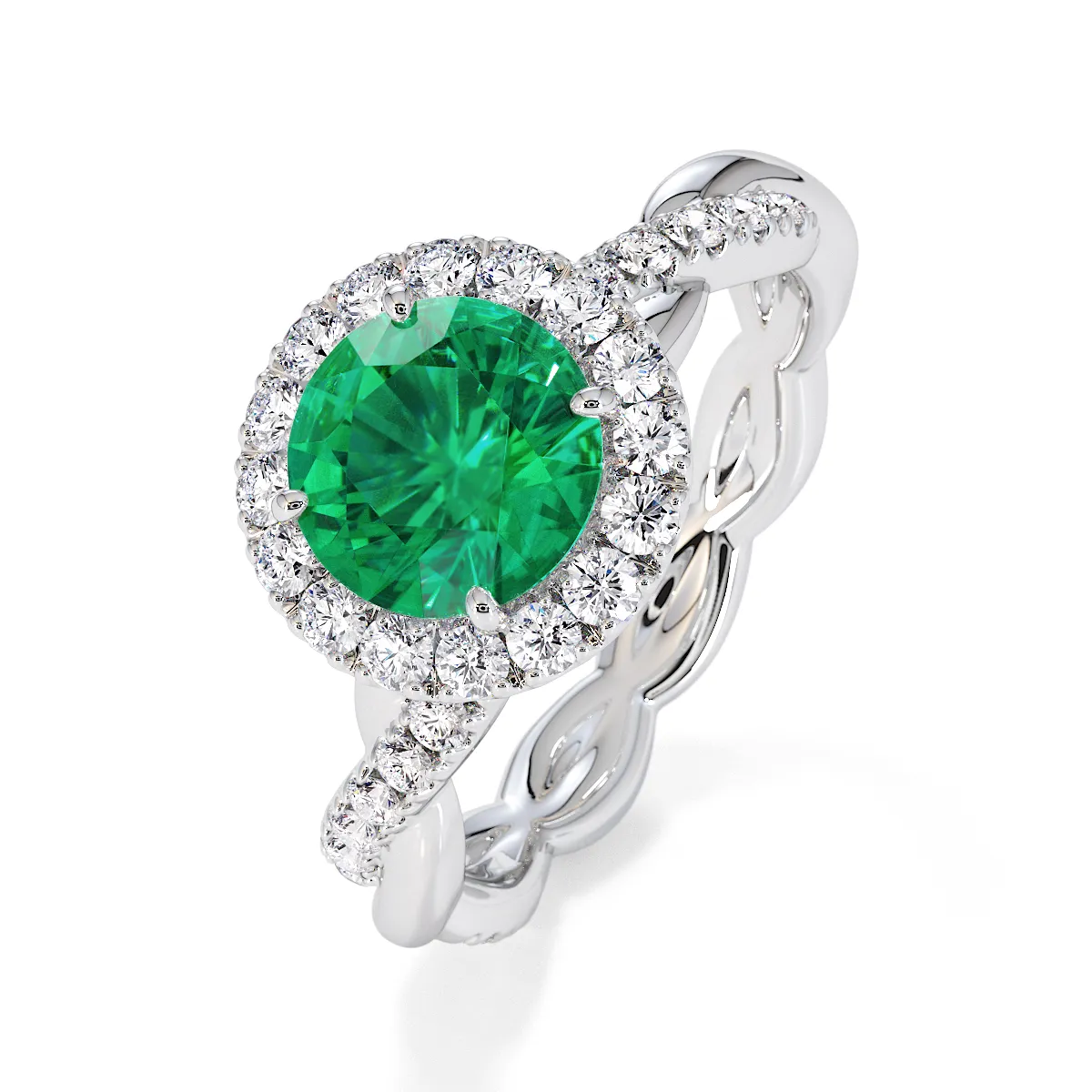
Emerald Engagement Rings that UK Buyers Should Know How to Evaluate Properly
Emerald engagement rings in the UK attract some of the most inflated rarity language in the entire gemstone market, partly because emeralds genuinely do carry real scarcity in certain grades, which makes it easier for less honest claims to hide alongside legitimate ones.
Where Real Scarcity Actually Comes From
Emerald’s true rarity is tied to clarity, since emeralds almost always contain natural inclusions, and stones with exceptional clarity relative to typical emerald quality are genuinely uncommon. That’s a specific, checkable claim. The phrases “one-of-a-kind” or “exceptionally rare” do not provide any explanation regarding clarity grade, origin, or treatment; instead, they serve to create an emotional connection without conveying real information.
A Simple Question That Cuts Through Most Marketing Language
If a piece is described as rare, it’s worth asking directly what specifically makes it rare, like the origin, clarity grade, size, and treatment status. A jeweller who can answer that clearly is describing an actual stone. A jeweller who cannot provide details is instead trying to evoke a particular feeling about the stone.
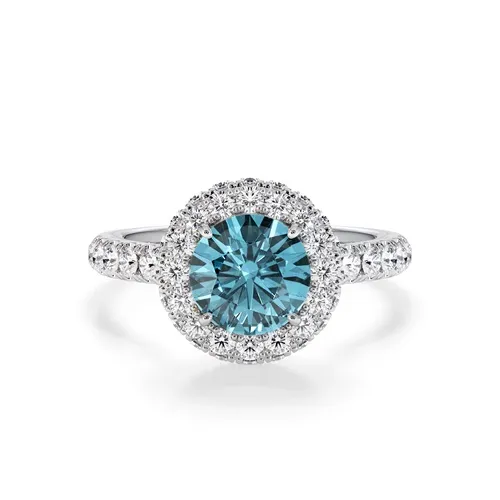
Aquamarine Engagement Rings and the Colour Confusion Around “Rarity”
Aquamarine engagement rings face a slightly different version of this problem, tied closely to colour rather than clarity.
Depth of Colour Is the Real Rarity Marker
Aquamarine’s colour ranges from a very pale blue to a deeper, more saturated blue-green, and the deeper, more saturated stones are genuinely less common and more valuable than the pale ones. That’s a tangible and verifiable form of rarity that you can observe in the stone itself, side by side with a paler example, without needing to rely on anyone’s word.
Why This Makes Aquamarine Easier to Evaluate Honestly, Not Harder
Unlike some rarity claims that rely entirely on paperwork or reputation, aquamarine’s genuine scarcity is something you can actually observe directly by comparing stones. If a retailer describes a pale aquamarine as “rare” without addressing colour depth specifically, it’s a reasonable moment to ask more questions before trusting the claim.
The Pattern Worth Recognising Across All Three
Once you notice it, the pattern repeats across every category: genuine rarity is always attached to something specific and checkable, like a grading factor, a colour depth, or a measurable scarcity in the market. Marketed rarity relies on adjectives with nothing underneath them.
A Simple Test Before You Buy
Before accepting a “rare” claim at face value, it’s worth asking what the claim is actually based on. If the answer involves a specific, verifiable detail such as the clarity grade, colour depth, or carat weight relative to typical stones of that type, then the rarity is likely genuine. If the answer is vague, general, or simply repeated with more enthusiasm, it’s marketing language standing in for information that was never actually provided.
Summing Up
To sum up, the claim that every “rare” ring on the market is dishonestly described is false, as many rings genuinely match their descriptions. But the word alone was never proof of anything, for diamonds, emeralds, or any gemstone engagement rings. The proof is always in the specifics underneath it, and a jeweller willing to walk you through those specifics, rather than lean on the word itself, is usually the one who is actually worth trusting.