The Role of the AC2000G Stack Module in Industrial Systems
By George Philips
4 Views
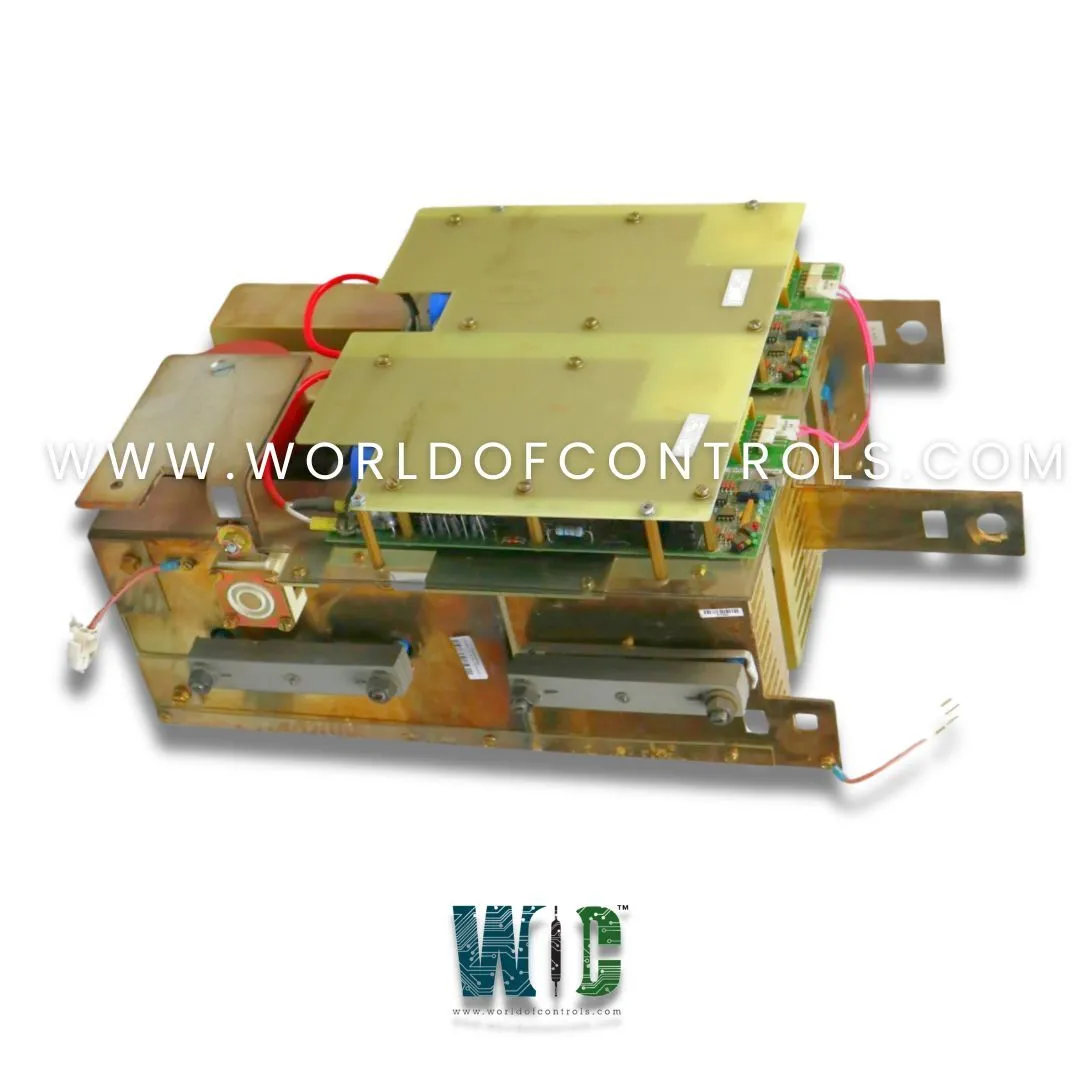
Introduction
Modern industrial systems—particularly in the energy and power generation sectors—depend heavily on automation, control precision, and system reliability. At the core of many such systems is GE’s AC2000G Stack Module, a vital component designed to support the high-performance demands of industrial turbines.
Whether in gas, steam, or combined-cycle turbine applications, the AC2000G Stack Module plays a critical role in managing real-time control operations, processing sensor data, and supporting plant efficiency. This article explores how the AC2000G Stack Module fits into the broader architecture of industrial turbine control and why it’s essential to system stability and performance.
Overview of the AC2000G Stack Module
The AC2000G Stack Module is a component in GE’s industrial control ecosystem, particularly geared toward turbine management. These modules function as part of a larger rack-based control architecture, where each stack handles specific tasks like signal processing, control logic execution, and power distribution.
Built to operate under harsh industrial conditions, the AC2000G stack is known for its modular design, high-speed communication, and robust integration with GE’s control platforms, including Mark series control systems.
Key Functions:
- Interfaces with turbine sensors and actuators
- Executes real-time control logic
- Supports communication between modules and controllers
- Enables structured start-up, operation, and shutdown sequences
Role in Turbine Control Systems
In turbine environments—where milliseconds can impact performance and safety—the AC2000G Stack Module delivers the real-time responsiveness needed for optimal control.
Common Applications:
- Speed and Load Management: It ensures turbines operate within designated parameters, responding to load fluctuations and control inputs.
- Fuel Regulation: By interpreting control logic, the stack module adjusts fuel valves to maintain efficiency and emission standards.
- Start-up and Shutdown Coordination: Ensures sequences are executed in the correct order to prevent mechanical stress or failure.
- Sensor Data Processing: Collects and filters data from vibration, temperature, and pressure sensors for system monitoring and diagnostics.
The AC2000G Stack Module acts as the intelligent middle layer—receiving raw input from field devices, processing it, and directing outputs to the turbine’s mechanical systems.
Integration and Compatibility
One of the defining features of the AC2000G Stack Module is its versatility within both legacy and modern system architectures. Industrial facilities with older GE platforms can integrate the module into existing control cabinets, reducing the need for costly system overhauls.
Additionally, the stack module is built to scale with evolving plant needs. As control logic becomes more sophisticated or hardware expansions occur, the AC2000G can be configured and upgraded to support more complex functions.
Benefits in Industrial Systems
1. High Reliability
Industrial turbines operate in mission-critical settings where downtime can result in major losses. The AC2000G Stack Module is engineered for long-term reliability, offering fault-tolerant design, diagnostic feedback, and support for redundancy.
2. Improved Efficiency
By enabling accurate, real-time control, the module helps optimize fuel use, reduce wear and tear, and extend turbine life. This directly translates into lower operational costs and improved system throughput.
3. Simplified Maintenance
Modular design means components can be diagnosed and replaced individually, reducing downtime and simplifying field servicing. Onboard diagnostics also provide early warnings before system failures occur.
4. Future-Ready Architecture
With digital transformation sweeping through industrial operations, stack modules like the AC2000G are positioned to support predictive maintenance, remote monitoring, and edge analytics. Their role is expanding from simple control execution to being data hubs for advanced system insights.
Looking Ahead: Supporting Digitalization
As industries move toward smart automation and intelligent infrastructure, the stack module's role is becoming more data-centric. Future enhancements will likely include tighter integration with AI-driven diagnostics, enhanced cybersecurity features, and support for cloud-based monitoring tools.
The AC2000G Stack Module will continue to serve as a key enabler of digital turbine systems, allowing plant operators to make faster, data-informed decisions.
Conclusion
The AC2000G Stack Module is more than a hardware component—it's an essential building block of modern industrial turbine systems. By bridging the gap between control logic and physical machinery, it ensures safe, efficient, and intelligent operation in demanding environments.
Its modularity, reliability, and future-ready design make it a cornerstone of industrial control strategy, particularly in the turbine industry, where precision and performance are paramount.