Understanding the Commercial Hydroseeding Timeline: From Slurry Application to First Mow
By luca oscar
88 Views
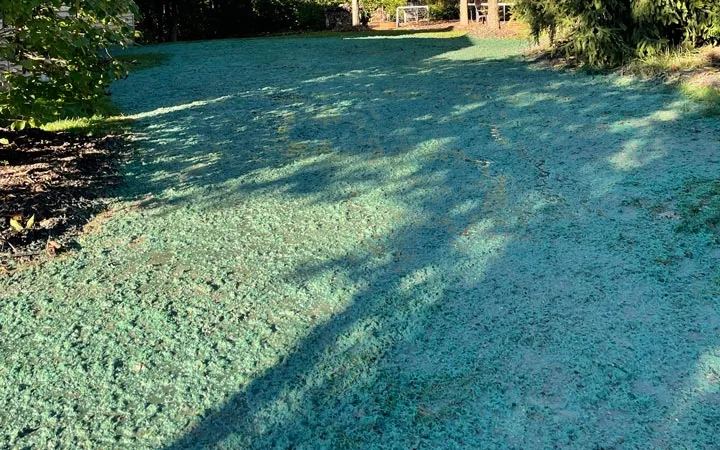
Establishing healthy turf across a commercial property requires more than applying grass seed and waiting for it to grow. Developers, property managers, and contractors need to understand how preparation, slurry application, germination, irrigation, and mowing work together throughout the establishment process. Commercial hydroseeding services can efficiently cover large areas, but the timeline varies according to grass selection, soil conditions, weather, moisture, and site preparation. Knowing what to expect at each stage helps property owners plan construction schedules, maintenance, irrigation, and landscaping budgets while giving newly seeded turf the best opportunity to develop strong roots.
What Happens Before Hydroseeding Begins?
The commercial hydroseeding timeline actually starts before the slurry reaches the soil. Contractors should first inspect the property and evaluate grading, drainage, soil quality, sunlight, existing vegetation, compaction, and erosion concerns. Construction sites may require additional grading, debris removal, topsoil improvement, or soil loosening before seed can be applied. Proper preparation creates a suitable growing environment and helps prevent problems that could otherwise appear after germination. Rushing this stage can undermine an otherwise well-executed hydroseeding project.
Seed selection is another important part of preparation. Commercial properties may require different grass characteristics depending on regional climate, expected traffic, sunlight, irrigation availability, and intended use. A professional contractor can recommend a seed mixture that matches the property's environmental conditions rather than using the same blend for every project. The hydroseeding slurry is then prepared using seed, water, fiber mulch, fertilizer, and other appropriate materials. The exact mixture and application rate should be based on project-specific requirements.
Day One: Slurry Application
Once the site is properly prepared and conditions are suitable, the hydroseeding crew applies the slurry using specialized equipment. The mixture is sprayed across the prepared soil, creating relatively even coverage over large areas. Fiber mulch helps surround the seed and retain moisture at the soil surface, while the seed itself remains positioned where it can begin germinating. Application may take considerably less time than many people expect, although the total duration depends on acreage, terrain, accessibility, equipment, and preparation requirements.
The application day does not mark the end of the project; it marks the beginning of the establishment period. Newly hydroseeded areas should generally be protected from unnecessary foot traffic, vehicles, pets, and other disturbances. Irrigation is especially important because young seed needs adequate moisture to germinate. However, watering should be managed carefully because excessive water can cause runoff, puddling, or seed displacement. Contractors should provide property-specific watering recommendations based on soil, weather, slope, and seed requirements.
Days 1–7: Germination Begins
During the first several days, the primary objective is maintaining suitable moisture around the seed. Depending on the grass variety and environmental conditions, some seeds may begin germinating within this period, while others take longer. Temperature, soil moisture, seed quality, sunlight, and weather can all influence germination speed. Property owners should not become concerned simply because the entire area does not turn green immediately. Early hydroseeded turf normally develops gradually rather than appearing as a finished lawn overnight.
The mulch layer can help maintain a more favorable environment for the seed during this sensitive stage. Regular irrigation supports germination, but watering practices should be adjusted when rainfall occurs. Heavy rain can create runoff or wash material from slopes, while unusually hot or dry conditions can increase moisture loss. Commercial properties should have irrigation systems properly programmed or use an appropriate temporary watering strategy. Consistent care during the first week can significantly influence how evenly the turf develops later.
Weeks 2–3: Visible Turf Development
By the second or third week, favorable conditions may produce increasingly visible grass growth across the site. The lawn can begin changing from scattered seedlings into a more recognizable turf surface. Growth rates will vary considerably depending on the selected grass species and local environmental conditions. Some sections may appear greener or thicker than others during this stage, especially where sunlight, soil moisture, or soil composition differs. Continued irrigation and careful monitoring remain essential while roots are still developing.
At this point, property managers should continue limiting unnecessary traffic. Young grass may look established from a distance before its root system is strong enough to tolerate regular commercial use. Walking, equipment movement, or vehicle traffic can damage developing plants and create thin areas. Maintenance teams should monitor irrigation coverage and look for signs of excessive dryness, standing water, runoff, or uneven growth. Addressing these conditions early can help prevent larger turf problems later in the establishment process.
Weeks 3–5: Preparing for the First Mow
The first mowing date depends on the grass variety and how quickly the turf develops, so there is no universal calendar date that applies to every commercial hydroseeding project. A better approach is to mow according to grass height and establishment rather than simply counting days after application. Once the grass has reached an appropriate mowing height and has developed enough to tolerate mowing, the first cut can be scheduled. The contractor or landscape professional should provide guidance based on the selected seed blend and local growing conditions.
The first mowing should be approached carefully because the young turf is still developing its root system. Mowing equipment should be appropriate for the site and operated only when soil conditions are suitable. Cutting wet or fragile turf can cause rutting, tearing, or other damage. It is generally better to remove a limited amount of leaf growth rather than cutting the grass excessively short. Following recommended mowing practices helps the plants continue developing without unnecessary stress.
Weeks 5–8: Building a Stronger Lawn
After the first mow, the turf continues transitioning from newly established seedlings toward a more mature lawn. Root development becomes increasingly important because a strong root system supports better water and nutrient use and improves the lawn's ability to withstand environmental stress. Irrigation schedules can typically evolve as the turf matures, although adjustments should be based on grass type, weather, soil, and local recommendations. Property managers should avoid treating every lawn as though it has identical watering needs.
During this period, mowing frequency may increase as growth becomes more consistent. Regular inspections can identify thin areas, weeds, drainage problems, irrigation issues, or sections that are developing differently from the rest of the property. Some areas may require additional attention because of shade, soil variation, runoff, or construction-related disturbance. Professional monitoring can help identify problems before they become expensive repairs. The goal is not simply to produce green grass but to establish healthy turf capable of performing over the long term.
Factors That Can Change the Hydroseeding Timeline
Weather is one of the biggest variables affecting hydroseeding schedules. Warm, favorable growing conditions may encourage faster germination, while cold temperatures can slow development significantly. Excessive heat can increase water requirements, and heavy rainfall can cause runoff or disturb newly applied materials. Seasonal timing therefore matters when planning commercial hydroseeding services. A contractor familiar with local growing conditions can help determine whether the planned installation window is appropriate.
Soil conditions also have a major influence on establishment. Compacted soil can restrict roots, poor drainage can create excessive moisture, and inadequate topsoil can limit plant development. Slopes may introduce additional challenges because rainfall can move soil and seed before roots become established. Addressing these issues before application can make the timeline more predictable. This is why professional site preparation should be considered an essential part of hydroseeding rather than an optional extra.
Grass species and seed mixtures can further change the schedule. Different grasses germinate and grow at different rates, and the best selection depends on local conditions and the property's intended use. Irrigation capacity also matters because newly seeded turf requires consistent moisture during early development. Commercial properties with reliable irrigation systems may have an easier time maintaining uniform conditions than sites without permanent watering infrastructure. These factors should be discussed with the contractor before the project begins.
Commercial vs. Residential Hydroseeding Timelines
People searching for residential hydroseeding near me often have similar questions about germination, watering, and mowing, but commercial projects can involve much more complicated logistics. A residential lawn may cover a relatively small area, while a commercial development could involve several acres with different slopes, drainage zones, and soil conditions. Commercial projects may also need to coordinate with construction schedules, tenant occupancy, inspections, and other landscaping activities. These factors can affect both the installation schedule and the aftercare plan.
The underlying biological process remains similar: seed needs appropriate moisture, temperature, soil contact, and growing conditions to germinate and develop roots. The main difference is the scale and complexity of managing those conditions. Commercial contractors must often maintain consistency across large areas while working around buildings, roads, utilities, parking lots, and active construction zones. This makes experience and project coordination particularly important when selecting a professional hydroseeding provider.
Planning for a Successful First Mow
The first mow should be viewed as a milestone in turf establishment rather than simply another maintenance task. Before mowing, the grass should have sufficient growth and stability to tolerate the equipment without being damaged. The exact timing varies with grass type and growing conditions, so property managers should follow recommendations from the contractor or qualified turf professional. Waiting for appropriate conditions can protect young plants and encourage continued root development.
After the first mow, the property enters a more regular maintenance phase, but the lawn still requires attention. Irrigation, mowing height, fertilization, weed management, traffic control, and seasonal maintenance all influence long-term turf quality. Commercial properties should establish a maintenance schedule that reflects the grass variety and site conditions. Consistent care is particularly important during the first growing season because early management can influence the density and resilience of the finished lawn.
What to Expect From Professional Hydroseeding
Understanding the commercial hydroseeding timeline makes it easier to set realistic expectations for a new development. Slurry application may happen quickly, but turf establishment is a gradual biological process that continues for weeks. Germination, early growth, root development, first mowing, and ongoing maintenance all contribute to the final result. Weather, soil preparation, irrigation, seed selection, and site conditions can accelerate or slow the process. Successful hydroseeding therefore depends on both professional installation and appropriate aftercare.
For developers and property managers, the best approach is to plan the entire establishment period before the slurry is applied. Confirm that the soil is ready, irrigation is functional, access restrictions are understood, and maintenance responsibilities are clearly assigned. A qualified contractor should explain what happens after installation and provide practical guidance for watering and mowing. With proper planning and consistent care, hydroseeding can provide an efficient way to establish attractive, functional turf across commercial landscapes while supporting the property's long-term appearance and usability.