Understanding Wound Care Services in Troy, Michigan: What's Available
By William Watson
9 Views
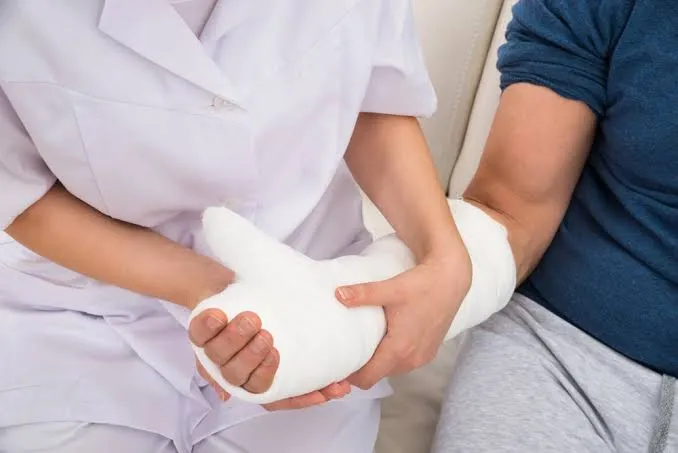
Proper wound care is an essential part of maintaining good health, preventing complications, and supporting recovery after an injury or medical procedure. Whether someone is recovering from surgery, managing a diabetic foot ulcer, or dealing with a pressure injury, professional wound management can make a significant difference in their healthcare journey. However, frequent trips to medical facilities can be difficult for seniors, individuals with mobility limitations, and patients recovering at home. Wound care services in Troy, Michigan provide access to professional assessments, treatment recommendations, dressing changes, and ongoing monitoring based on individual medical needs. Understanding the available services can help patients and families choose appropriate care and make informed decisions about wound management.
Understanding Professional Wound Care Services
Wound care involves evaluating, treating, and monitoring injuries or damaged skin to support the body's natural healing process. While minor cuts and scrapes may heal with basic first aid, more complicated wounds often require professional attention. Surgical incisions, diabetic ulcers, pressure injuries, and chronic wounds can develop complications when they are not managed appropriately. Healthcare professionals evaluate the condition of the wound and recommend treatments based on its type, severity, location, and the patient's overall health.
Professional wound management involves more than simply cleaning an affected area and applying a bandage. A qualified healthcare professional may examine wound depth, surrounding skin, drainage, and signs of infection before selecting an appropriate dressing. The treatment plan may also address underlying conditions such as diabetes, poor circulation, or limited mobility that can interfere with healing. Regular assessments help determine whether the wound is improving or requires changes in treatment.
Patients searching for Wound care services in Troy, Michigan should understand that treatment options vary depending on the provider's qualifications and available facilities. Some services are delivered through specialized wound care centers, while others may be available through home healthcare programs. The most suitable option depends on the patient's medical condition, mobility, and need for specialized procedures.
Different Types of Wounds That Require Professional Attention
Several types of wounds may benefit from professional assessment and ongoing management. Surgical wounds are among the most common because patients may need monitoring after procedures to ensure that incisions are healing appropriately. Healthcare professionals can evaluate the surgical site, recommend suitable dressing changes, and identify warning signs that may indicate infection. Following post-operative instructions is especially important because improper wound management can interfere with recovery.
Diabetic foot ulcers are another significant concern, particularly for individuals experiencing reduced circulation or nerve damage. These conditions can make it difficult to recognize injuries and may slow the healing process. Even a small foot wound can become serious if it is not evaluated and managed appropriately. Professional care may involve wound assessment, suitable dressings, pressure reduction recommendations, and coordination with the patient's diabetes care team.
Pressure injuries commonly affect individuals who spend extended periods in bed or use wheelchairs. Continuous pressure on certain areas of the body can damage the skin and underlying tissue, especially around the heels, hips, and lower back. Treatment may involve appropriate wound dressings, pressure relief, repositioning recommendations, and regular skin assessments. Early identification and consistent management are important for preventing further tissue damage.
Chronic wounds, including certain leg ulcers, may also require specialized attention. These wounds can be associated with circulation problems, swelling, underlying medical conditions, or previous injuries. Treatment often requires evaluating the underlying cause rather than focusing exclusively on the visible wound. A healthcare professional can recommend an appropriate treatment strategy based on the patient's individual circumstances.
What Wound Care Services Are Available in Troy, Michigan?
Patients have access to different types of wound management depending on their medical requirements and the services offered by local healthcare providers. Specialized wound care centers typically provide comprehensive evaluations for complex or non-healing wounds. These facilities may offer wound measurements, circulation assessments, specialized dressings, and advanced treatment options when clinically appropriate. Some patients may also receive referrals for additional procedures or consultations with specialists.
Home-based wound care is another option for eligible patients who have difficulty traveling to medical facilities. Qualified nurses or other appropriately trained healthcare professionals may visit patients at home to provide ordered wound treatments and monitor healing progress. Depending on the care plan, services may include wound cleaning, dressing replacement, skin assessments, and patient education. This approach can be particularly useful for seniors, post-surgical patients, and individuals with mobility limitations.
Some patients may require advanced wound management, including specialized dressings, compression therapy for appropriate venous conditions, or negative pressure wound therapy. These treatments are not suitable for every wound and should only be recommended after a professional assessment. Patients should discuss available options with their healthcare provider to understand the benefits, limitations, and potential risks associated with each treatment.
The Benefits of Comfortable Wound Healing in Your Home Michigan
Receiving appropriate wound care at home can make treatment more manageable for individuals who find regular medical appointments physically challenging. Comfortable wound healing in your home Michigan offers an approach that allows eligible patients to receive certain wound-related services in familiar surroundings. This can reduce transportation difficulties and help patients maintain a more consistent treatment routine. Home-based care may also allow family members or caregivers to participate in discussions about wound management and recovery.
One important advantage is the opportunity for individualized attention. During a home visit, healthcare professionals can assess the wound, review previous treatment instructions, and discuss concerns affecting the patient's recovery. They may also identify environmental or lifestyle factors that could influence healing, such as prolonged pressure, limited movement, or difficulties maintaining dressing hygiene. These observations can support practical recommendations tailored to the patient's daily circumstances.
Home wound care can also improve communication between patients, caregivers, and healthcare professionals. Patients can ask questions about dressing changes, skin protection, hygiene, and follow-up requirements. Caregivers may receive instructions about recognizing concerning changes and maintaining the treatment routine between professional visits. However, home-based care is appropriate only when the patient's condition can be safely managed in that setting.
What to Expect During a Professional Wound Assessment
A professional wound assessment usually begins with reviewing the patient's medical history and understanding how the wound developed. The healthcare professional may ask about previous injuries, surgical procedures, existing medical conditions, medications, and earlier treatments. Conditions such as diabetes, poor circulation, and nutritional deficiencies can influence healing, making this information important. Understanding the patient's overall health helps determine the most appropriate wound management approach.
The next step generally involves examining the affected area. The professional may evaluate the wound's length, width, depth, surrounding skin, drainage, and general appearance. Circulation and sensation may also be assessed when relevant, particularly for patients with foot ulcers or chronic lower-leg wounds. These observations help establish a baseline that can be compared during future appointments.
Following the assessment, the healthcare professional may recommend an individualized treatment plan. Depending on the wound, this may include cleaning, suitable dressing selection, dressing replacement, pressure reduction, or other specialized interventions. Patients may also receive instructions about nutrition, medication adherence, mobility, and protecting the affected area. Regular documentation and follow-up appointments help determine whether the treatment approach is producing the expected progress.
Patients should contact their healthcare provider if they notice increasing redness, swelling, worsening pain, unusual drainage, or an unpleasant wound odor. Fever, chills, rapidly spreading redness, or other signs of serious infection require prompt medical evaluation. Severe bleeding or rapidly worsening symptoms should not be left until the next scheduled wound care appointment.
How to Choose the Right Wound Care Provider in Troy
Choosing a qualified wound care provider is an important decision that can influence the quality and consistency of treatment. Patients should consider the professional qualifications, clinical experience, available services, and communication practices of the healthcare team. It is helpful to ask whether the provider has experience treating the specific wound type, such as diabetic ulcers, surgical wounds, pressure injuries, or chronic leg ulcers. Patients should also understand which treatments can be provided at home and which require a specialized medical facility.
Another important consideration is whether the provider offers individualized treatment plans and regular progress assessments. Wounds can change over time, and treatment recommendations may need to be adjusted according to healing progress and the patient's overall health. A reliable provider should explain the purpose of recommended treatments, discuss realistic expectations, and provide clear instructions for care between appointments. Patients should feel comfortable asking questions and reporting changes without hesitation.
Insurance coverage and treatment costs should also be reviewed before beginning services. Coverage can vary depending on the patient's insurance policy, medical necessity, provider participation, and type of treatment required. Patients should confirm potential out-of-pocket expenses, appointment arrangements, and whether specialized supplies or procedures involve additional charges. Understanding these details can help families plan their healthcare expenses more effectively.
Supporting Better Recovery Through Proper Wound Management
Effective wound management requires professional assessment, appropriate treatment, consistent monitoring, and patient involvement. Whether someone is recovering from surgery, managing diabetes-related complications, or dealing with a pressure injury, selecting suitable care can help address individual medical needs. Professional wound care services in Troy, Michigan offer different treatment options, including specialized clinic-based care and appropriate home healthcare services. The right choice depends on the patient's condition, treatment requirements, and ability to travel.
For individuals who prefer comfortable wound healing in your home Michigan, home-based services may provide a practical option when medically appropriate. Receiving professional assessments and dressing changes at home can reduce transportation challenges while helping patients and caregivers maintain communication with healthcare professionals. Consistent follow-up also makes it easier to recognize changes that require adjustments to the treatment plan.
Ultimately, successful wound management involves more than treating the visible injury. Addressing underlying medical conditions, following professional instructions, maintaining appropriate hygiene, and attending recommended assessments all contribute to a well-organized recovery process. By understanding available services and choosing qualified healthcare professionals, patients and families can make informed decisions about wound treatment. With appropriate medical guidance and consistent care, patients can work toward safer healing and better long-term skin health.