What Are the Benefits of Choosing Oak Flooring for UK Homes?
By Floorsave Online
11 Views
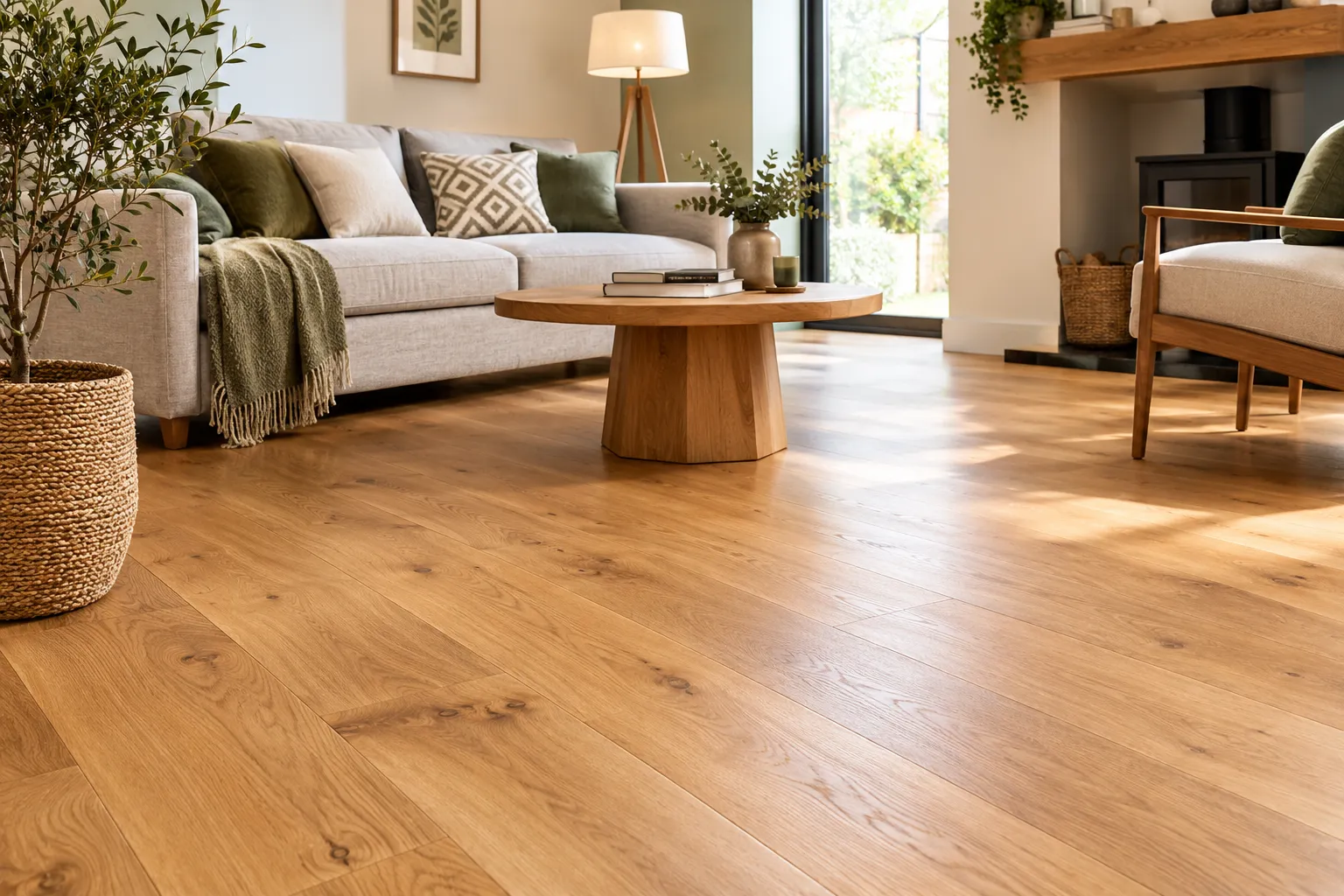
Picking the right floor covering can honestly shift the whole look, comfort level, and even the value of a home. For UK homeowners, oak flooring is still a go-to choice since it has that natural appeal, strong wear resistance, and the way it fits well in both older classic spaces and newer, clean-lined rooms. If you’re in a Victorian terrace, maybe a modern apartment, or even a countryside cottage, oak flooring tends to give this timeless sort of finish that really blends across property types.
Since there are other options like laminate and SPC flooring out there, it is important to understand the distinctive properties of oak. Looking at the long-term results, plus the routine day-to-day upkeep, can make it easier to see the real advantages before you commit to anything.
What Makes Oak Flooring A Popular Choice for UK Homes?
Oak flooring really is a popular choice for UK homes, and honestly, it makes sense. One big reason homeowners go for it is that it feels so versatile, like it just fits in. You get that natural grain, the warm tones, and a noticeable texture, all of which add character to almost any interior, even if the room is not really “new” or fancy.
Talking on the facts, oak flooring in UK homes tends to work well across lots of architectural styles too. If you pick lighter oak, smaller rooms can feel brighter, a bit more open, and less cramped. Go for darker finishes instead, and the whole space can turn more dramatic, more polished, and a little more sophisticated, not in an overly loud way but still noticeable.
Also, oak flooring pairs easily with different design directions. It sits nicely with neutral walls, traditional furniture, contemporary kitchens, and even those minimalist living spaces where everything is clean and simple, and somehow it doesn’t look old-fashioned later on.
And for homes where “everything should match” matters, oak flooring can help you get a continuous look between living rooms, dining areas, and hallways, though of course you still have to consider the practical needs of each space, like foot traffic and moisture.
Is Oak Flooring Durable Enough for Everyday Family Life?
For most busy UK homes, durability is one of those big questions. Oak flooring is a hardwood; its structure is strong, and that generally means it copes well with regular foot traffic. That said, it is not always the same for every product, so you have to pay attention to what you’re actually buying.
In real life, living rooms, dining rooms, bedrooms, and hallways can all benefit from its hardy feel. With decent installation and sensible care, oak can still look great for years, without too much drama.
Still, oak is not one simple thing. Solid oak boards are the full deal, natural wood throughout. Engineered oak flooring is a bit different; it has a genuine oak surface layer on top of a layered core, so it behaves in a slightly calmer way.
Because engineered oak flooring tends to be more dimensionally stable, it can handle indoor temperature and humidity shifts better, which is useful in UK homes where the seasons change often. This steadiness can make everyday use feel easier.
What Is the Difference Between Oak Flooring, Solid Wood Flooring, and Laminate Flooring?
When you’re trying to pick a floor, it helps to know how these materials actually work, in practice, not just on paper.
Basically, solid wood flooring is made from real timber, the same material all the way through each board. People like it for that genuine wood look, and you can sometimes sand and refinish it, depending on the board thickness and how it’s holding up. Still, solid wood flooring can expand or shrink as moisture levels shift, so you need proper installation, plus steady indoor conditions.
Though, oak flooring is a little different because “oak” can come in a couple of forms. It might be supplied as solid oak or as engineered oak. Engineered oak usually uses a real oak veneer or wear layer, bonded onto a more stable core. So you get the oak appearance, but with better dimensional stability, which matters if your home isn’t always the same temperature or humidity.
Typically, laminate flooring is built from a few layers: a decorative image layer on top, then a fibreboard core, and a protective surface finish. A lot of modern laminate flooring designs can mimic oak pretty well, sometimes so well it’s hard to tell at a glance. And the upfront cost is often lower than natural wood.
Laminate is also usually easier to maintain, but most laminate products cannot be sanded and refinished like genuine wood.
Is SPC Flooring a Good Alternative to Oak Flooring in the UK?
If you’re a homeowner looking at different materials, SPC flooring in the UK is probably one more option you should keep in mind, not necessarily replacing everything, just in case it fits your place a bit better. The goal is to give you a firm surface and also stay more dimensionally stable over time.
One reason SPC flooring is mentioned a lot is water resistance. In many cases, SPC boards are suitable for kitchens and other high-traffic zones where spills happen, or splashes might land now and then.
Of course oak flooring feels different. You get that real grain, the natural texture, and the fact that it can develop character as the years pass. For people who want timber that looks alive, oak can be the more emotional choice, like a classic option.
SPC can be the more sensible pick if water exposure is a major worry. Oak can work beautifully in living rooms, bedrooms, and other areas where natural materials are the priority, and you want something with traditional charm.
Can Oak Flooring Improve the Appearance and Value of Your Property?
Flooring basically shifts the mood of a space, and oak has that natural look that can make rooms feel warmer, a bit more polished, and overall more connected, like everything belongs together. Neutral oak tones are usually the easiest to live with because they suit changing furniture colours and whatever the current interior trend is. So you get something practical that still looks good later, not just in the first few months.
On top of that, good quality oak flooring can also catch the eye of prospective buyers since natural timber is commonly seen as a premium finish. Still, the resale value impact isn’t a sure thing; it really depends on the home itself, the local market, how well it was fitted, and how it’s held up over time. If you want the best outcome, try to pick a finish that matches what’s already in the property, rather than chasing something that may fade out quickly.
How Do You Maintain Oak Flooring in the UK's Changing Climate?
The UK does have those proper seasonal swings, and indoor humidity can shift too, which might make the timber expand or contract. Keeping indoor conditions as steady as possible and sticking to what the manufacturer says usually helps reduce movement.
For day-to-day cleaning, use a soft-bristled brush or the right vacuum attachment to lift dust and grit without being rough. It helps to put entrance mats near external doors, because they catch dirt and moisture before they travel further in. Under furniture, felt pads are a small fix that can stop scratches before they start.
For both solid wood flooring and engineered oak, make sure the boards acclimatise as instructed before installation. And if you can, professional fitting is often worth considering, especially with uneven subfloors, underfloor heating, or more complicated room shapes.
These little steps should help keep your oak flooring looking good while also keeping it working properly.
Conclusion
Oak flooring gives UK homeowners this mix of natural beauty, solid durability, and that long-term visual pull. It’s also fairly versatile, so it fits everything from period homes to more modern apartments where you want a clean finish.
Even if laminate flooring and SPC are practical alternatives, oak stays an attractive option if you care about texture and character that actually comes from real timber, not a printed surface.
If you compare materials carefully, pick a construction that suits your space, and then stick to sensible maintenance, you can end up with flooring that works with your home and still handles your everyday routine.