What Every Property Owner Should Know About DFW Demolition Services
By Jacky Roth
61 Views
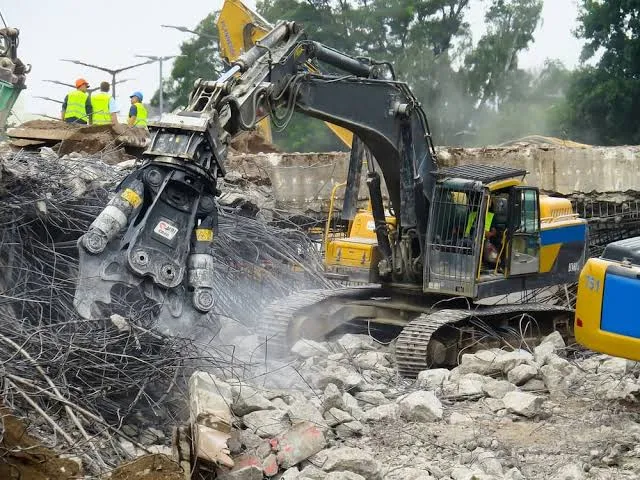
Demolition is often the first step when an outdated, damaged, or unwanted structure needs to make way for something new. Whether a property contains an old house, detached building, commercial structure, or unsafe improvement, professional DFW demolition services can make the removal process more organized and controlled. Demolition involves much more than bringing down walls with heavy equipment. Proper planning, utility coordination, debris management, safety procedures, and local requirements all need to be considered before work begins. Understanding the process helps property owners make informed decisions and avoid preventable delays.
Every demolition project has its own challenges. The building's size, construction materials, location, accessibility, surrounding structures, and intended use of the property can all affect the work plan. Older buildings may also require additional attention to potentially hazardous materials before demolition starts. Texas safety guidance recommends an engineering survey before demolition and emphasizes utility isolation and hazardous-material controls. Choosing an experienced contractor allows these factors to be addressed before equipment begins dismantling the structure.
Understanding What Professional Demolition Includes
Professional demolition typically begins with evaluating the structure and developing a controlled removal plan. Contractors consider how the building was constructed, what materials are present, where utilities enter the property, and what nearby features need protection. The sequence of dismantling is important because uncontrolled removal can create structural instability or unnecessary hazards. A qualified crew uses suitable equipment and procedures based on the specific project rather than treating every building the same way. This approach can make the work safer and more predictable.
Demolition also includes managing the material left behind after the structure is removed. Concrete, wood, roofing materials, metal, drywall, insulation, and other debris may need to be separated, loaded, transported, recycled, or disposed of properly. The Texas Commission on Environmental Quality identifies demolition waste disposal as an area subject to environmental requirements. Property owners should therefore ask contractors how debris will be handled before signing an agreement. A clear plan can prevent confusion about what is included in the quoted price.
Permits and Local Requirements Matter
One of the most important things property owners should understand is that demolition is not necessarily a permit-free activity. Requirements vary by municipality, so the property owner or contractor needs to verify the rules governing the specific site. For example, the City of Dallas requires a demolition permit before most structures are demolished, with specific exceptions for certain small structures and limited situations. Other cities within the DFW region can have different application procedures, inspections, fees, and documentation requirements.
Dallas's current demolition checklist illustrates how detailed the process can be. Depending on the project, documentation may include insurance information, an asbestos survey, utility-disconnection arrangements, waste-collection documentation, and stormwater information when an acre or more of land is disturbed. This is why property owners should not assume that a contractor's equipment can simply arrive and start demolition. Confirming local requirements early can help keep the project moving without unnecessary interruptions.
Safety Should Be a Primary Consideration
Demolition can involve hazards that are not obvious from the outside of a structure. Hidden structural weaknesses, unstable walls, electrical systems, gas connections, sharp materials, falling debris, and unknown building modifications can create serious risks. The Texas Department of Insurance recommends a written engineering survey before demolition and stresses the importance of isolating or disconnecting utilities. It also highlights the need to control hazardous materials such as asbestos, lead, and respirable crystalline silica. These precautions are especially important when dealing with older or neglected buildings.
Professional crews should establish controlled work zones and determine the appropriate sequence before demolition begins. Nearby buildings, fences, sidewalks, roads, landscaping, and utility infrastructure may need protection throughout the project. Property owners should also disclose any known information about the building's history or previous use. If a structure has housed industrial operations, chemicals, workshops, or other specialized activities, additional investigation may be appropriate. Good communication between the property owner and contractor can help uncover potential hazards before they become problems.
The Importance of Asbestos and Hazardous Material Checks
Older structures can contain materials that require special handling rather than conventional demolition. Asbestos is one of the most important examples because disturbing asbestos-containing materials can release hazardous fibers. Dallas's demolition application checklist requires an asbestos survey for applicable demolition or renovation work before a demolition permit can be issued. This demonstrates why property owners should address hazardous-material questions before demolition equipment enters the site.
Other materials may also require specialized procedures depending on the building's age and previous use. Lead-based materials, certain insulation products, chemicals, fuel containers, and other potentially hazardous substances should not simply be mixed with ordinary construction debris. TCEQ provides specific resources concerning demolition waste and disposal requirements in Texas. A responsible contractor should explain what is included in ordinary demolition and when specialized environmental professionals may be needed.
How Demolition and Land Clearing Work Together
After a structure has been removed, the property may still contain trees, brush, stumps, concrete remnants, fencing, and other obstacles. This is where land clearing dfw tx can become part of a broader property-preparation project. Demolition focuses primarily on structures, while land clearing addresses vegetation and other surface obstacles that interfere with future use. Combining these services can be useful when an owner wants to prepare an entire property for construction, landscaping, agricultural use, or redevelopment.
The order of work matters when demolition and clearing are performed on the same property. A contractor may need to remove a structure before equipment can safely access overgrown portions of the site, while certain vegetation may need to be cleared first to create an equipment path. Future grading, excavation, drainage, or foundation work should also be considered during planning. Coordinating the stages can reduce repeated equipment mobilization and help create a cleaner transition from demolition to site preparation.
Choosing the Right DFW Demolition Contractor
Property owners should evaluate demolition contractors based on experience, safety practices, insurance, equipment, communication, and the completeness of their proposals. A written estimate should clearly describe what will be demolished, what materials will be removed, how debris will be handled, and whether cleanup is included. Ask whether permits, utility coordination, environmental testing, hauling, and disposal are included or handled separately. Comparing complete scopes of work is much more useful than simply choosing the lowest initial price.
It is also important to determine whether the contractor has experience with structures similar to yours. A residential house, agricultural outbuilding, warehouse, and commercial property can present very different demolition challenges. Ask how the crew will protect neighboring structures and what procedures will be followed if unexpected materials or structural conditions are discovered. A professional contractor should be willing to explain the planned sequence without making unrealistic promises. Clear communication is an important part of a successful demolition project.
Preparing Your Property Before Demolition Begins
Property owners can help by gathering relevant information before the contractor arrives. Identify property boundaries, utility connections, access points, neighboring structures, fences, wells, septic systems, and items that must remain in place. Utility services should be properly disconnected or otherwise addressed before demolition begins, consistent with applicable requirements and safety procedures. Texas safety guidance specifically recommends locating and securing utilities before demolition. Preparing these details in advance can reduce delays once the crew is ready to work.
Owners should also understand what will happen to the site after demolition. If a new building is planned, the property may require excavation, grading, drainage improvements, foundation preparation, or additional land clearing. If landscaping is planned, remaining concrete, stumps, roots, and debris may need to be removed before the next contractor begins. Thinking about the property's next use during the demolition planning stage can prevent unnecessary rework. The goal should be more than removing a structure; it should be creating a practical starting point for the property's next chapter.
Why Professional Demolition Is Worth Considering
Professional DFW demolition services provide more than heavy machinery and structural removal. They bring project planning, experienced equipment operators, safety procedures, debris management, and knowledge of the requirements that can affect demolition work. For property owners, this can reduce the risks associated with attempting complicated structural removal without the right resources. It can also make the transition from an unwanted structure to a clean, usable site much more organized.
When demolition is combined with land clearing dfw tx, the entire property can be prepared for its next purpose through a coordinated approach. From initial assessment and permitting to utility coordination, controlled demolition, debris disposal, and final cleanup, every stage deserves careful attention. Property owners should verify local requirements because rules differ throughout the DFW area, and environmental or structural considerations may add additional steps. With an experienced contractor and a clearly defined scope of work, demolition can become a controlled first step toward rebuilding, redevelopment, or improved property use.