What to Check Before Buying BPC 157 for Sale Online
By Josan Brown
8 Views
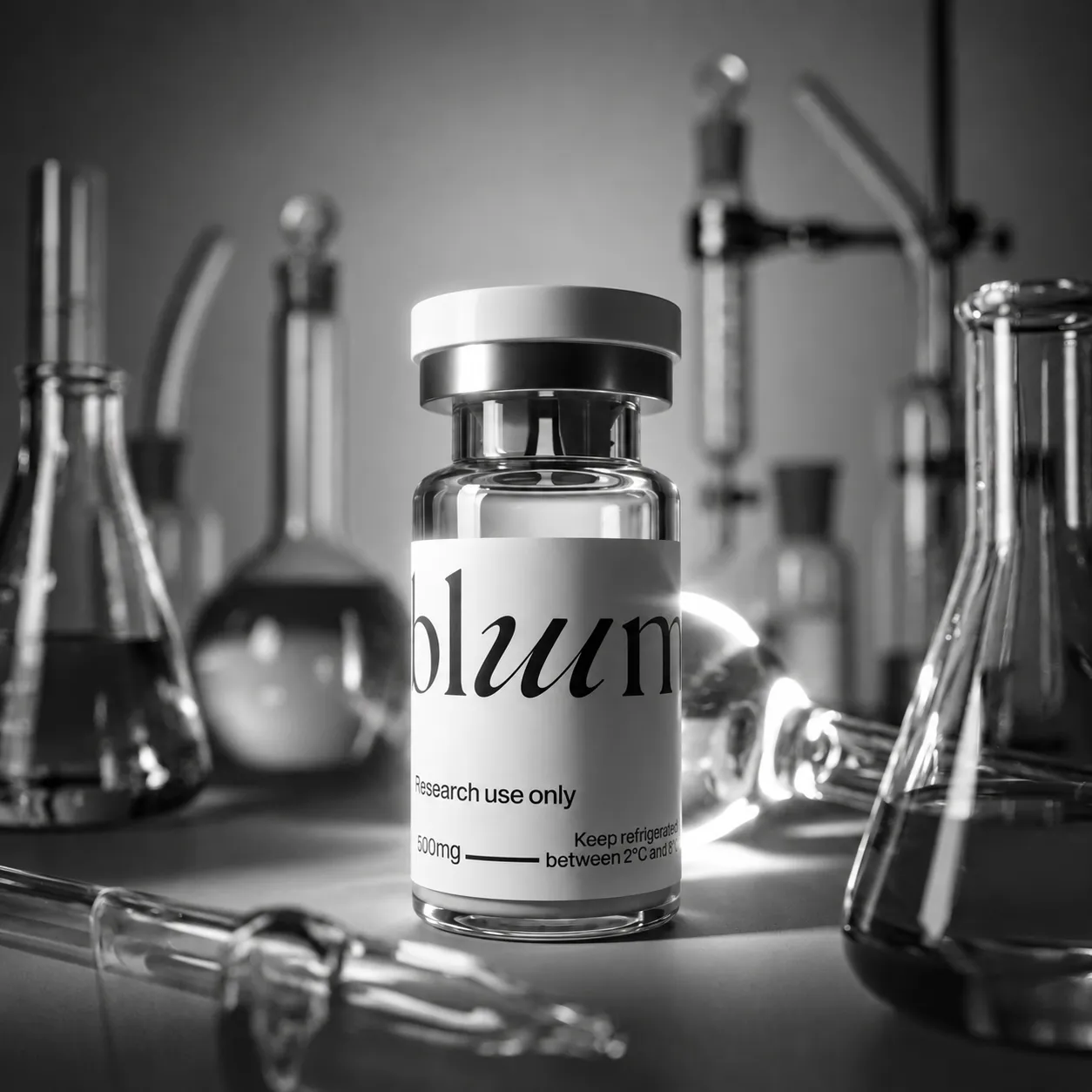
Searching for bpc 157 for sale online requires considerably more care than comparing prices or reading product descriptions. BPC-157 is an experimental peptide that has attracted attention through laboratory and preclinical research, but its commercial availability does not establish clinical effectiveness or human safety. In 2026, the FDA has stated that there is insufficient clinical safety information to characterize the safety profile of BPC-157 for the routes it reviewed.
That makes product evaluation especially important. A professional-looking website, high purity percentage, or positive customer review cannot independently establish that a peptide is accurately identified or appropriate for human use. Buyers researching experimental peptides should instead examine identity, batch documentation, analytical testing, labeling, and the supplier's transparency. These checks help distinguish documented research material from products supported mainly by marketing claims.
Understand the Status of BPC-157
BPC-157 is a synthetic peptide that has primarily been investigated in laboratory and animal research. Scientific interest has focused on several biological processes, but preclinical findings should not be interpreted as proof that the same effects occur in humans. This distinction is essential when reviewing online descriptions that present experimental research as though it were established medical evidence.
The FDA's recent assessment found insufficient clinical safety information to characterize bpc 157 for sale safety profile and reported that it had not identified studies administering BPC-157 to humans through several proposed routes, including oral, subcutaneous, nasal, or transdermal administration. The agency also raised concerns involving potential immunogenicity, peptide-related impurities, and active pharmaceutical ingredient characterization.
Check the Exact Peptide Identity
Before considering bpc 157 for sale from an online supplier, examine whether the product is clearly identified. A useful listing should provide the peptide name, amount, batch or lot information, and relevant chemical details. Ambiguous descriptions such as “premium healing peptide” provide little information about what the material actually contains.
It is also important to distinguish between different forms of a peptide when documentation identifies them separately. BPC-157 and BPC-157 acetate should not simply be treated as interchangeable labels without checking the analytical documentation. Exact identity matters because a certificate of analysis is only useful when it corresponds to the specific material being offered.
Review the Certificate of Analysis
A certificate of analysis, commonly abbreviated as COA, can provide useful information about a research peptide's tested characteristics. Look for a document connected to the actual batch rather than a generic report that appears on every product page. Ideally, the documentation should identify the sample or batch, testing date, analytical methods, reported results, and laboratory responsible for the analysis.
A COA should not be mistaken for proof of medical safety or effectiveness. A purity result can indicate something about the tested sample, but it does not establish that the substance is approved for treatment, sterile for injection, or appropriate for human administration. This distinction is particularly important for BPC-157 because current FDA materials identify substantial gaps in clinical safety information.
Examine Purity and Testing Methods
A supplier may advertise BPC-157 with a specific purity percentage, but the number is meaningful only when supported by appropriate analytical information. Techniques such as high-performance liquid chromatography and mass spectrometry can provide useful information about purity and molecular identity. However, the quality of the interpretation depends on the testing method, laboratory procedures, reference materials, and reporting practices.
Do not assume that one impressive purity number answers every quality question. A material can require additional characterization beyond a simple percentage, particularly when peptide impurities, degradation products, aggregation, or identity need to be considered. The FDA has specifically noted concerns about peptide-related impurities and API characterization when discussing BPC-157-related substances.
Look for Batch-Level Transparency
Batch traceability is another useful factor when evaluating an online peptide supplier. The batch number printed on the product should correspond with the analytical documentation supplied for that material. If a company provides a COA but the report contains a different lot number, it becomes difficult to determine whether the tested sample represents the product being offered.
Transparent suppliers should also be able to explain basic product information without relying entirely on promotional language. Clear labeling, consistent terminology, manufacturing information, and accessible quality documentation provide more useful evidence than testimonials. Buyers should remain cautious when important technical information is missing or difficult to verify.
Be Wary of Medical Promises
Online peptide listings can sometimes use language suggesting that BPC-157 will treat injuries, accelerate recovery, repair tissue, or address specific diseases. Such statements can go beyond what current human evidence supports. Preclinical findings can provide useful research hypotheses, but they do not establish that an experimental peptide produces the same results in people.
The distinction between research and treatment is particularly important here. The FDA's 2026 materials state that there is insufficient clinical safety information for BPC-157 and identify concerns surrounding certain proposed routes of administration. Consequently, marketing claims should not be treated as a substitute for controlled clinical evidence or professional medical advice.
Consider the Supplier's Quality Practices
A supplier's overall approach to quality can provide additional context. Look for consistent product identification, batch documentation, analytical testing, appropriate storage information, and clear research-use labeling. A company that openly explains what its documentation demonstrates—and what it does not demonstrate—provides more useful information than one that relies mainly on dramatic claims.
Be particularly cautious if a seller encourages self-administration or describes an experimental research product as though it were an approved medicine. The FDA has warned that products marketed for unapproved uses can present safety concerns, and regulatory registration or inclusion in a database should not automatically be interpreted as approval.
Compare Evidence Instead of Marketing Claims
When evaluating peptide products, separate four categories of information: laboratory research, animal research, human clinical evidence, and regulatory status. These categories answer different questions and should not be blended together. A promising laboratory finding does not establish human effectiveness, while a product's availability online does not establish regulatory approval.
This approach is useful when comparing BPC-157 with other peptides as well. For example, the snap 8 peptide is primarily discussed as a cosmetic peptide associated with expression-line research, whereas BPC-157 is an experimental research peptide with a different scientific background. Comparing them based only on the fact that both are called peptides would overlook their different structures, intended research contexts, and evidence bases.
Avoid Confusing “Research Grade” With “Medical Grade”
Terms such as “research grade” can describe the intended market or quality specifications of a material, but they should not automatically be interpreted as medical approval. A research material may have analytical testing while still lacking the clinical safety, efficacy, sterility, manufacturing controls, and regulatory authorization required for a medicine.
This distinction becomes especially important when an online listing uses laboratory terminology to create an impression of clinical legitimacy. A batch-specific COA can be useful evidence about tested characteristics, but it does not transform an experimental peptide into an approved treatment. Buyers should keep these concepts separate when evaluating any research peptide.
A Simple Checklist Before Buying
Before evaluating any bpc 157 for sale listing, review the product identity, batch number, certificate of analysis, analytical methods, reported purity, laboratory information, and intended-use statement. Check whether the documentation actually corresponds to the product's current batch. Also look for realistic descriptions that distinguish preclinical research from established human evidence.
Finally, consider what the supplier does not say. Missing batch information, unsupported medical promises, unexplained purity percentages, vague laboratory claims, and pressure to purchase quickly can all justify additional scrutiny. No single factor proves that a product is illegitimate, but several missing or inconsistent details should make a buyer more cautious.
Final Thoughts
Finding bpc 157 for sale online should begin with evidence and documentation rather than price or promotional promises. Exact identity, batch traceability, analytical testing, a meaningful COA, transparent labeling, and realistic descriptions are important factors when evaluating experimental research material. At the same time, even strong analytical documentation does not establish clinical safety or effectiveness.
The current evidence surrounding BPC-157 remains limited, and FDA materials published in 2026 highlight important gaps in human safety information and concerns involving peptide impurities and characterization. A careful buyer should therefore distinguish product quality from medical validation and research interest from proven treatment. That evidence-focused approach provides a more responsible way to assess peptide products available online.