Where Dual Finishes Bring Depth to Modern Jewelry
By Antiquecut Jewelry
52 Views
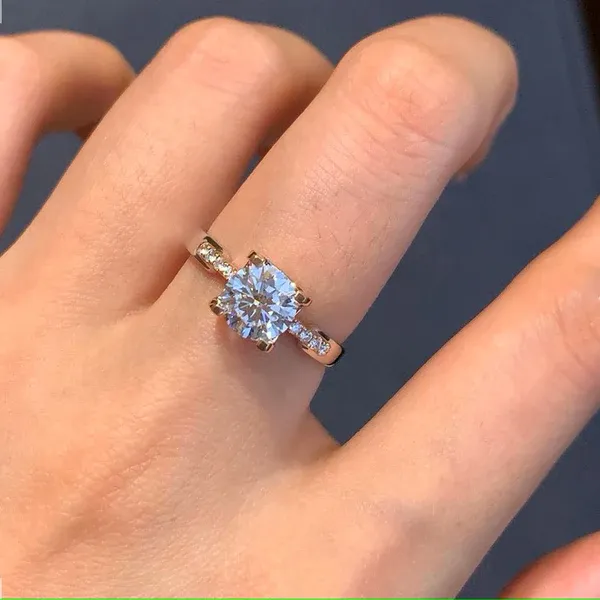
Modern jewelry is increasingly shaped by thoughtful contrasts. Instead of depending entirely on elaborate details or oversized stones, contemporary designs often create visual interest through differences in color, texture, finish, and proportion. This evolution has made dual-finish jewelry especially appealing to those who want something refined yet distinctive.
A ring featuring two complementary metal tones can transform a familiar silhouette into something more expressive. The difference between the finishes adds dimension, allowing certain parts of the design to stand forward while others provide a subtle foundation. When this technique is combined with the brilliance of a diamond, the result can feel sophisticated without appearing overly ornate.
The appeal of this approach goes beyond appearance. Jewelry is worn in motion, viewed under changing light, and paired with different clothing and accessories. A dual-finish ring can respond differently in each setting, revealing polished surfaces, contrasting tones, and carefully defined details as it moves.
This makes contemporary two-tone jewelry particularly relevant for people who value versatility. Rather than selecting a ring that works only with one specific metal palette, a mixed design can interact naturally with a wider collection of accessories. It offers the opportunity to combine warmth and coolness, traditional influences and modern styling, all within one carefully constructed piece.
The Design Power of Two Finishes
Finish is one of the quieter elements of jewelry design, but it can have a considerable effect on how a ring is perceived. A polished surface reflects light clearly and can create a sleek, luxurious appearance. A contrasting surface may absorb or diffuse light differently, giving the design a softer or more textured quality.
Dual finishes can be used in several ways. A designer might combine contrasting metal colors across the band, use one finish around the setting and another along the shank, or introduce a subtle distinction between the inner and outer elements of the ring. Each arrangement creates a different visual rhythm.
The purpose is not simply to make the ring look different. Effective contrast helps define the structure of the piece. A change in finish can draw attention to a curve, emphasize a geometric edge, or frame the central diamond. It can also make a relatively simple silhouette appear more detailed without adding unnecessary decoration.
This is particularly useful in contemporary jewelry, where clean lines are often preferred. Rather than covering a ring with numerous embellishments, designers can allow the materials themselves to provide visual interest. The result is an aesthetic that feels intentional and sophisticated.
Lighting plays an important role in this effect. A polished section may catch a bright reflection while a contrasting area remains visually quieter. As the wearer moves their hand, these areas can shift in prominence. The ring therefore does not have a completely static appearance; its character changes subtly according to its surroundings.
For those interested in this modern aesthetic, you can explore collection of lab grown diamond two tone rings to see how contrasting metals, finishes, and diamond-centered designs can be combined into contemporary jewelry.
How Contrast Creates a More Versatile Jewelry Style
One of the strongest qualities of mixed-metal jewelry is its ability to work across different styling preferences. Traditionally, people often selected one metal color and attempted to coordinate their jewelry around it. While that approach can create a cohesive look, it can also limit the combinations available.
By incorporating complementary tones, a ring can connect pieces that use different metals. A wearer who owns both warm-toned and cool-toned jewelry can use a mixed ring as a visual link between them. This can make everyday styling more flexible and reduce the need to keep every accessory within one color family.
The versatility is especially valuable for rings because they are frequently worn alongside other pieces. A two-tone design can sit comfortably next to a watch, bracelet, wedding band, or additional ring without demanding that everything match perfectly.
This reflects a broader change in personal style. Modern fashion is less concerned with strict coordination and more focused on intentional combinations. Contrasting elements can create a polished appearance when they are balanced carefully. Jewelry follows the same principle.
For everyday wear, a subtle dual-finish design can add character without becoming distracting. Its details may be noticeable when viewed closely but remain understated enough for professional or casual settings. For evening occasions, the same ring can appear more dramatic under stronger lighting, particularly when the polished surfaces interact with the brilliance of the diamond.
Choosing a Dual-Finish Ring That Feels Personal
A ring can be technically beautiful and still fail to feel right for the person wearing it. Choosing a contemporary design therefore involves more than considering current trends. It requires thinking about personal style, daily habits, existing jewelry, and the type of impression the piece should create.
For someone who prefers understated elegance, a design with a dominant metal tone and a restrained contrasting detail may be ideal. The difference can remain subtle enough for everyday wear while providing a distinctive feature that becomes apparent on closer inspection.
Those who enjoy stronger visual statements may prefer a more balanced division between the two tones. A pronounced contrast can give the ring a confident, modern character while retaining the sophistication associated with fine diamond jewelry.
The finish itself is another consideration. High-polish surfaces can create a crisp, reflective appearance, while contrasting finishes may add softness and texture. Combining them can make the ring more dynamic without requiring additional gemstones.
It is also worth considering how the ring will interact with other pieces. If the wearer already has jewelry in different metal colors, a two-tone ring can provide continuity between those pieces. Rather than making the collection look mismatched, the ring can become a connecting element.
Comfort and practicality should also remain part of the decision. A ring may look striking in a photograph, but its proportions need to work with the wearer's hand and lifestyle. Designs intended for frequent wear should feel natural during everyday activities and maintain their visual balance from different angles.
Antiquecut and the Evolution of Two-Tone Design
Antiquecut reflects a contemporary approach in which established jewelry traditions can be interpreted through fresh design ideas. The use of contrasting tones demonstrates how a familiar ring can gain a different personality without losing its connection to classic elegance.
The value of this approach lies in its restraint. Instead of treating contrast as decoration for its own sake, thoughtful two-tone design uses differences in metal and finish to establish proportion and depth. Every transition can serve a purpose, whether it highlights the diamond, defines the band, or creates balance across the entire piece.
This approach also reflects the changing expectations of modern jewelry buyers. People increasingly want pieces that can move naturally between different aspects of their lives. A ring may need to feel special enough for a significant occasion while remaining comfortable and versatile enough for regular wear.
Dual finishes support that expectation because they offer visual interest without necessarily increasing complexity. A ring can have a relatively clean silhouette and still feel distinctive because the relationship between its finishes gives it character.
As jewelry design continues to evolve, these details will likely remain important. Innovation does not always require completely new shapes. Sometimes, it comes from reconsidering how familiar materials are combined.
Conclusion
Where dual finishes bring depth to modern jewelry, contrast becomes a design tool rather than simply a decorative feature. Different tones and surfaces can define structure, guide attention, interact with light, and give a ring a distinctive personality.
The combination of contemporary metalwork and lab-grown diamonds demonstrates how modern jewelry can balance innovation with timeless appeal. A diamond remains the luminous focal point, while the surrounding design creates the setting through which its character is expressed.
What makes dual-finish rings particularly compelling is their versatility. They can complement different metal palettes, adapt to changing wardrobes, and provide a distinctive appearance without depending on excessive ornamentation. Their visual identity comes from balance—the relationship between polished and contrasting surfaces, warm and cool tones, simplicity and detail.
Ultimately, modern elegance is often found in the details that initially seem subtle. A change in finish, a carefully positioned metal accent, or a thoughtfully proportioned setting can transform an otherwise familiar ring into something memorable.
Dual-finish jewelry demonstrates that depth does not always require complexity. When contrasting elements are brought together with precision, they can create harmony, individuality, and a contemporary sense of luxury that remains relevant well beyond a passing trend.