Where to Find Affordable Vintage Home Decor: Thrift Stores, Flea Markets, and Online
By Mason Liam
4 Views
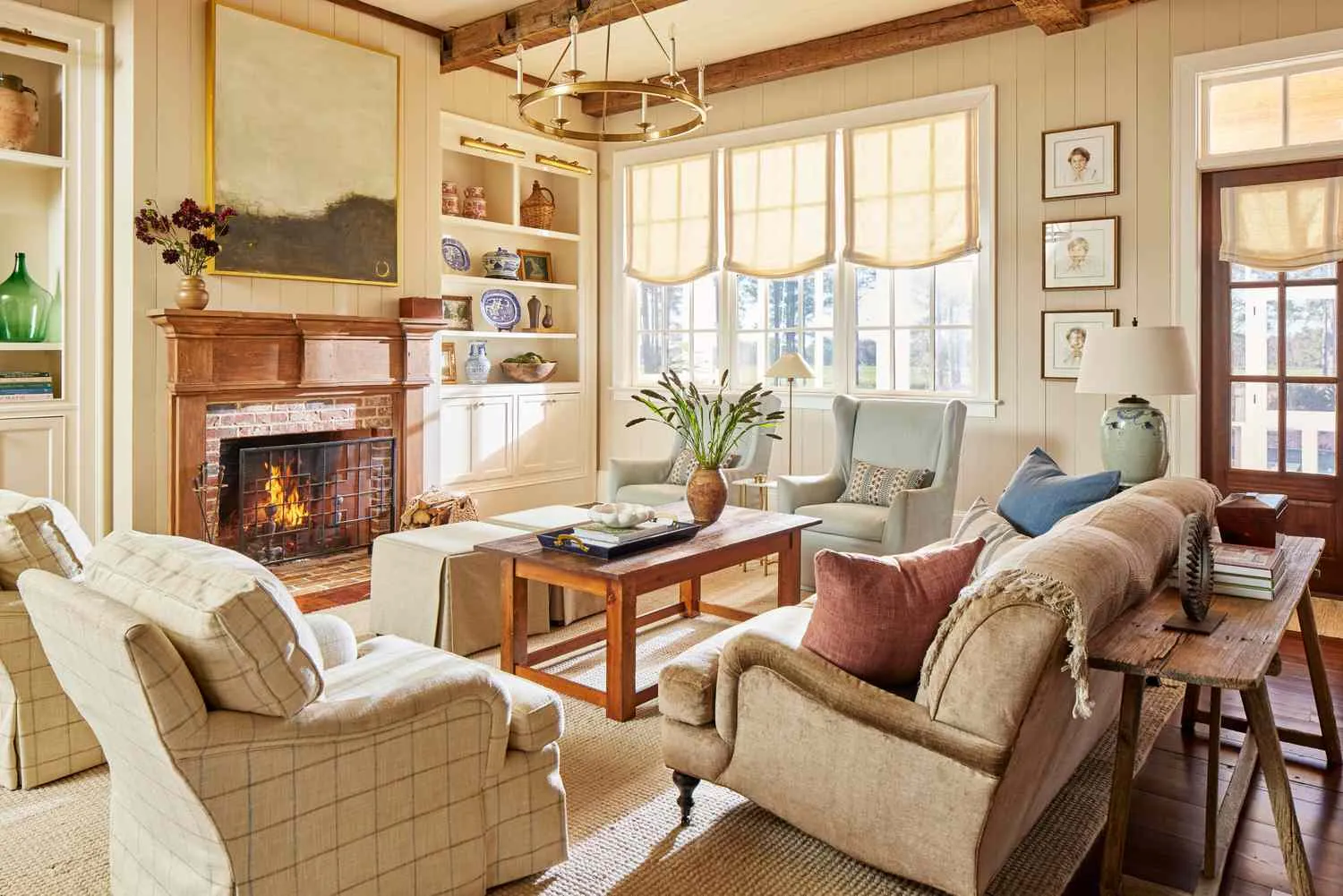
Finding beautiful vintage home decor does not always require a large decorating budget. Thrift stores, flea markets, estate sales, antique shops, and online marketplaces can all offer opportunities to discover distinctive furniture and accessories at different price points. The challenge is knowing where to look, what to inspect, and when a low price is genuinely a good value. With patience and a practical buying strategy, secondhand shopping can help create a home that feels personal rather than mass-produced.
Vintage shopping is also different from purchasing new furniture because every piece has its own condition, history, and construction characteristics. A scratched surface may simply add character, while a damaged joint can create an expensive repair problem. Experienced buyers therefore consider measurements, materials, structural condition, authenticity, and restoration needs before focusing on appearance alone. Taking this approach can make the search more enjoyable while helping you avoid purchases that look appealing but do not suit your home or budget.
Start With Local Thrift Stores
Thrift stores are often a practical starting point for shoppers searching for affordable vintage home decor. Inventory changes frequently, which means a store that has little of interest one week may have an excellent table, mirror, cabinet, or decorative accessory the next. Because pricing can be based more on quick turnover than specialist valuation, well-made older furniture can sometimes appear alongside ordinary household items. This makes patience and regular visits particularly useful for budget-conscious shoppers.
Before buying furniture from a thrift store, inspect it carefully rather than assuming that an attractive finish means good quality. Check whether tables and chairs wobble, drawers operate properly, doors align, and joints feel secure. Look underneath and behind the piece for damage that may not be visible from the front. Older furniture can have minor wear without being problematic, but serious structural damage, moisture damage, pests, or costly repairs can quickly eliminate the benefit of a low purchase price.
Explore Flea Markets and Vintage Fairs
Flea markets can be especially rewarding when you enjoy searching for unusual furniture and decorative objects. Unlike conventional furniture stores, flea markets bring together numerous sellers with different specialties, inventories, and pricing approaches. You may find wooden tables, old mirrors, ceramics, lighting, artwork, chairs, and smaller accessories in the same visit. The variety makes flea markets useful for developing a layered interior with pieces that do not look as though they came from one collection.
Preparation can make flea-market shopping much more successful. Take measurements of the space you are furnishing and keep those dimensions accessible while you shop. A tape measure is useful for checking whether a promising piece will fit through your doorway as well as inside the intended room. If the seller is open to negotiation, understanding the item's condition and any repair requirements can also give you a more informed basis for discussing the price.
Check Estate Sales and Antique Shops
Estate sales can provide another route to affordable vintage home decor because furniture and household objects are often sold together when a property is being cleared. You may encounter dining furniture, bedroom pieces, artwork, lighting, books, ceramics, and accessories that have been kept in the same home for years. The selection varies considerably, but estate sales can reward shoppers who arrive prepared and know what types of materials and construction they prefer.
Antique shops and multi-dealer stores offer a different experience because sellers may have more specialized knowledge about particular periods or categories. Prices can vary depending on provenance, condition, rarity, designer attribution, and restoration. If you are interested in vintage designer furniture ask questions about the manufacturer's marks, age, materials, previous repairs, and available documentation. A knowledgeable seller should be able to explain what is known about a piece rather than relying only on vague claims about its age or value.
Shop Online for a Wider Selection
Online shopping has dramatically expanded access to vintage furniture and decor. Curated marketplaces, general resale platforms, online estate sales, auction sites, and specialist dealer websites can provide much broader selections than most local stores. You can search by period, material, designer, furniture type, dimensions, or price range, making it easier to narrow down a specific requirement. However, the convenience of online shopping also means that buyers need to perform more research before committing to a purchase.
Always request additional photographs when important details are not visible in the listing. Ask to see the underside, interior, joints, hardware, labels, areas of damage, and any previous repairs. A video can also reveal details that carefully selected photographs may hide, particularly when checking drawers, doors, moving parts, or structural stability. If a seller is unwilling to provide basic information about condition or construction, consider that a reason to pause before purchasing.
Look for Vintage Designer Furniture Carefully
Vintage designer furniture can be particularly appealing because it combines historical design significance with distinctive craftsmanship. However, recognizable designs are also frequently reproduced, so buyers should not assume that an expensive-looking shape is automatically an authentic vintage piece. Look for manufacturer labels, stamps, serial numbers, documented dimensions, construction details, and materials that correspond with known examples. When the price is substantial, independent authentication or professional advice can be worthwhile.
Condition is equally important when evaluating a designer piece. Original finishes and upholstery may matter to collectors, while practical buyers may prefer professionally restored furniture that is ready for everyday use. Restoration does not necessarily make an older piece undesirable, but buyers should understand exactly what has been replaced, refinished, repaired, or reupholstered. Documentation and provenance can become especially valuable when a seller attributes a piece to a particular designer or production period.
Know What Makes a Vintage Piece Worth Buying
Affordable does not necessarily mean inexpensive, and expensive does not automatically mean high quality. When evaluating a potential purchase, consider the material, craftsmanship, condition, functionality, dimensions, and expected repair costs together. Solid construction, quality wood, sound joinery, useful proportions, and durable finishes can make an older piece a worthwhile purchase even if it has visible cosmetic wear. On the other hand, a beautiful finish cannot compensate for serious structural problems.
Look for practical signs of quality rather than relying entirely on labels or seller descriptions. Dovetail drawer joints, substantial materials, carefully finished edges, stable frames, and properly functioning hardware can provide useful evidence about construction. Maker's marks can also help identify a manufacturer or period, but they should be considered alongside the physical characteristics of the furniture. Taking a few minutes to inspect these details can prevent an apparently affordable find from becoming an expensive project.
Compare Prices Before You Buy
Vintage pricing can vary significantly because every item is different. Similar-looking pieces may have very different values because of their materials, designer attribution, condition, rarity, provenance, and restoration history. Before purchasing an expensive item, compare several examples and examine how their specifications differ. This gives you a better understanding of the market rather than assuming that the first asking price represents the item's actual value.
Budget-conscious shoppers can also save money by being flexible about color, finish, and minor cosmetic imperfections. A structurally sound table with scratches may be more practical than a flawless example priced substantially higher. Similarly, a lesser-known manufacturer's furniture can provide excellent design and construction without carrying the premium associated with famous names. Decide which qualities matter most to you before shopping so that an attractive presentation does not distract you from the factors that actually affect value.
Plan for Transportation and Restoration
Furniture costs do not end when you agree on a purchase price. Large vintage pieces may require professional delivery, specialized handling, stairs, elevators, or additional labor. Measure entrances, hallways, staircases, and elevators before purchasing anything substantial. A piece that fits beautifully in your dining room is not useful if it cannot safely pass through the home's access points.
Restoration should also be included in your budget when necessary. Simple cleaning or minor hardware replacement may be manageable, while refinishing, structural repairs, electrical work, or complete upholstery can become considerably more expensive. Older upholstered furniture deserves particular caution because odors, allergens, mold, and deteriorated internal components may not be obvious from photographs. For vintage lighting, professional inspection or rewiring may also be appropriate before regular use.
Build Your Collection Slowly
One of the biggest advantages of vintage shopping is that there is no need to furnish an entire room at once. Start with pieces that serve an actual purpose and gradually develop the collection as you discover items you genuinely appreciate. A vintage cabinet, dining table, mirror, or chair can become the foundation for a room, while smaller accessories can be added later. This slower approach can result in an interior that feels collected naturally instead of decorated in a single afternoon.
Allowing your collection to develop gradually also gives you time to learn about different design periods and manufacturers. You may initially prefer one style before discovering that another period, material, or construction technique better suits your home. Keep notes about dimensions, prices, designers, and pieces you encounter while shopping. Over time, this knowledge can make it easier to recognize quality and distinguish a genuinely useful opportunity from an item that is simply being marketed as vintage.
Final Thoughts
Affordable vintage home decor can be found in many places, from neighborhood thrift stores and flea markets to estate sales, antique shops, and online marketplaces. Each option has different advantages and challenges, so the right choice depends on your budget, desired furniture type, willingness to research, and ability to inspect pieces personally. The most important habit is to evaluate furniture based on construction, condition, dimensions, authenticity, and long-term usefulness rather than relying on appearance alone.
Whether you are searching for everyday furniture or distinctive vintage designer furniture, patience can be one of your greatest advantages. Measure your space, compare prices, ask questions, inspect carefully, and leave room in your budget for transportation or restoration when necessary. With a thoughtful approach, secondhand shopping can help you create a home filled with character, craftsmanship, and pieces that feel genuinely connected to your personal style.