What Should You Consider Before Buying a Who Decides War Hoodie?
By WDW
47 Views
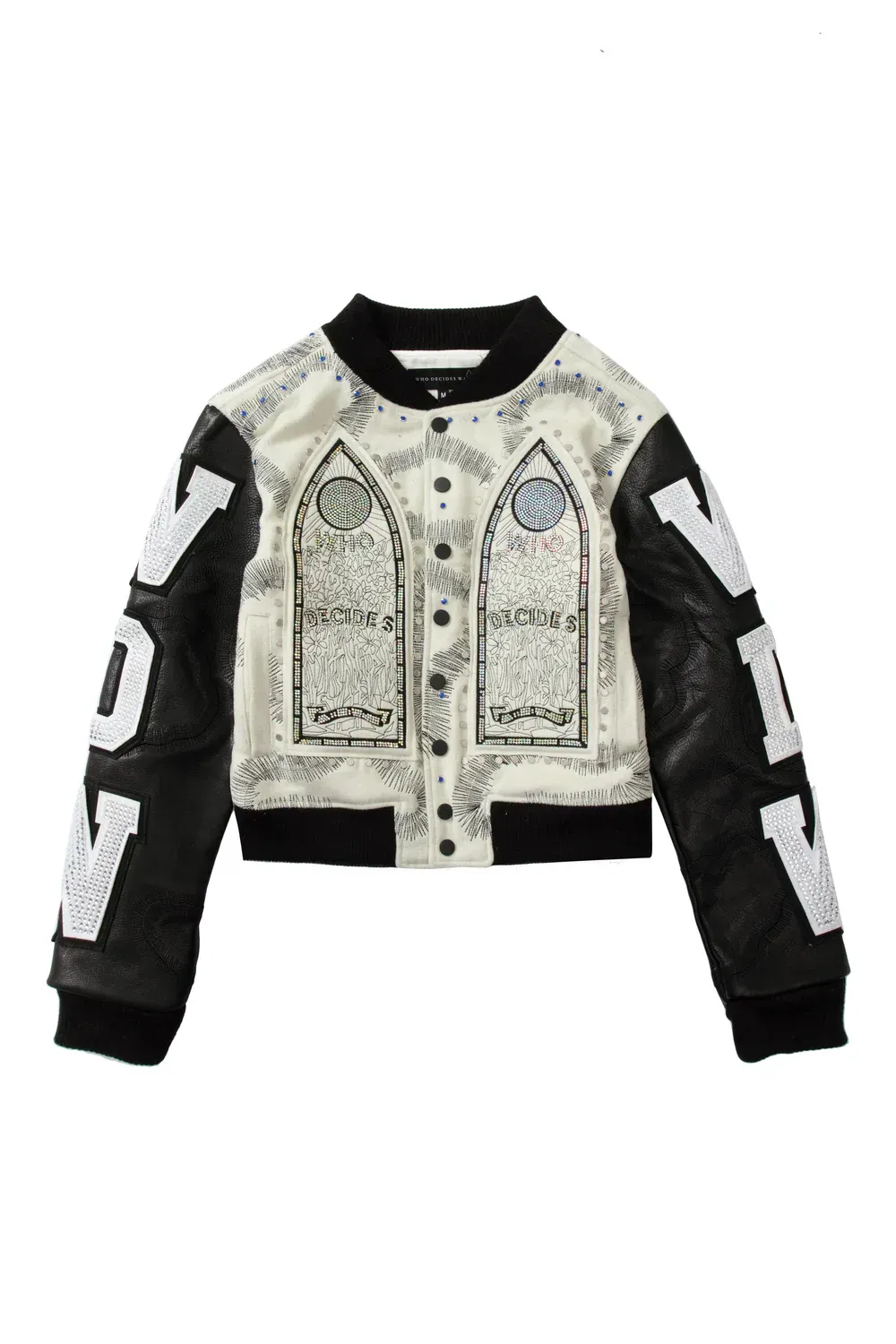
A who decides war hoodie isn't an impulse purchase in the way a basic pullover might be. Between the price point, the construction, and the brand's reputation for detailed craftsmanship, there are a handful of things worth thinking through before adding one to your cart. Whether you're new to who decides war or already own a few pieces from the label, here's what actually matters when deciding on your next hoodie.
Understand What You're Paying For
Who Decides War hoodies sit well above the price of a typical streetwear pullover, and that price reflects the labor behind each piece. These aren't blank hoodies with a printed graphic — they typically involve embroidered detailing, raw-edge finishing, appliqué patches, and heavyweight cotton fleece construction. Before buying, it helps to know that the cost is tied to hand-applied techniques rather than mass production, which is a big part of why the pieces hold their value on the resale market.
If you're comparing the price to a standard mall-brand hoodie, it will feel steep. Compared to other artisanal or designer streetwear labels doing similar hand-detailing work, though, WDW pricing is generally in line with the category.
Sizing and Fit Considerations
WDW hoodies typically run in an oversized, relaxed silhouette, which is part of the brand's overall design language. Before buying, it's worth checking the specific size chart for the drop you're interested in, since fits can vary slightly between collections. A few things to keep in mind:
- Sizes often range from XXS to XXL, so there's room to size up or down depending on how oversized you want the fit
- If you plan to layer the hoodie under a jacket, sizing true-to-chart or slightly down can prevent excess bulk
- If you want the brand's signature relaxed, boxy look, sizing up from your usual fit is common practice among fans
Trying to gauge fit purely from photos can be tricky given how loose the silhouette typically is, so checking measurements rather than relying on your usual size is the safer approach.
Authenticity and Where You Buy
Because Who Decides War has grown into a genuinely hyped label, counterfeit and misrepresented listings do show up on resale platforms. Before buying, especially secondhand, it's worth sticking to verified retailers or reputable resale marketplaces with authentication processes. Check stitching quality, embroidery placement, and tag details against official product photos if you're buying outside of the brand's own channels or established luxury retailers.
This matters more with WDW than with simpler streetwear brands, since the embroidery and patchwork are exactly the kind of detailed work that's hardest to replicate convincingly — meaning it's also the easiest way to spot a fake if something looks slightly off.
Care and Maintenance
Given the raw-edge finishing, embroidery, and natural dye treatments used across the brand's pieces, a who decides war hoodie typically needs more careful maintenance than a basic cotton pullover. Washing on a gentle cycle, avoiding harsh detergents, and air-drying rather than machine-drying can help preserve embroidered detailing and prevent excess fraying beyond the intentional distressing already built into the design. This is worth factoring in before buying if you're not used to caring for more delicate, detail-heavy garments.
How It Fits Into Your Existing Wardrobe
Because WDW hoodies carry such a distinct aesthetic — raw hems, embroidered graphics, oversized fits — it's worth thinking about how the piece will actually integrate with what you already own. The brand's hoodies pair naturally with other textured, distressed pieces like who decides war jeans, creating a cohesive, tonal look. They also work well as a statement piece over simpler basics if you don't own other WDW items yet.
If your current wardrobe leans more minimal or clean-cut, a heavily embroidered hoodie might feel like a bigger style departure than expected, so it's worth considering whether you want the piece to blend in or stand out as a focal point.
Seasonal Versatility
Before buying, think about how often you'll realistically wear a heavyweight hoodie. WDW hoodies are built with substantial cotton fleece, making them better suited to cooler months or layering rather than year-round wear. If you're in a warmer climate, it might be worth considering how the hoodie fits into a smaller seasonal rotation compared to lighter pieces like the who decides war shorts, which offer similar design language in a more weather-appropriate silhouette.
Comparing Hoodie, Jeans, and Shorts as an Entry Point
If you're new to the brand and trying to decide where to start, it's worth weighing the hoodie against other entry points like who decides war jeans or shorts. The hoodie tends to be a slightly more accessible starting piece since it doesn't require as much fit experimentation as the brand's heavily distressed denim. It also tends to offer more year-round styling flexibility than the shorts, which are more seasonally limited.
Resale Value and Long-Term Investment
Because of the hand-applied embroidery and limited production runs typical of WDW drops, hoodies from the brand often hold their resale value well, and some pieces appreciate over time. If you're considering the purchase partly as an investment piece, it's worth researching how similar past releases have performed on resale platforms before committing to a specific drop or colorway.
Final Thoughts
Buying a who decides war hoodie is a bigger decision than picking up a basic pullover, and that's by design. Between the price reflecting genuine craftsmanship, the oversized fit requiring careful sizing, and the need to buy from verified sources to avoid counterfeits, there's real diligence worth doing beforehand. Whether you're pairing it with who decides war jeans for a full tonal look or picking it as your first piece from the brand, taking the time to consider fit, authenticity, and care will make sure the hoodie holds up as well as the reputation who decides war has built around it.