EEG Alpha Waves: A Complete Guide to Brain Activity, Cognitive Performance, and Relaxation
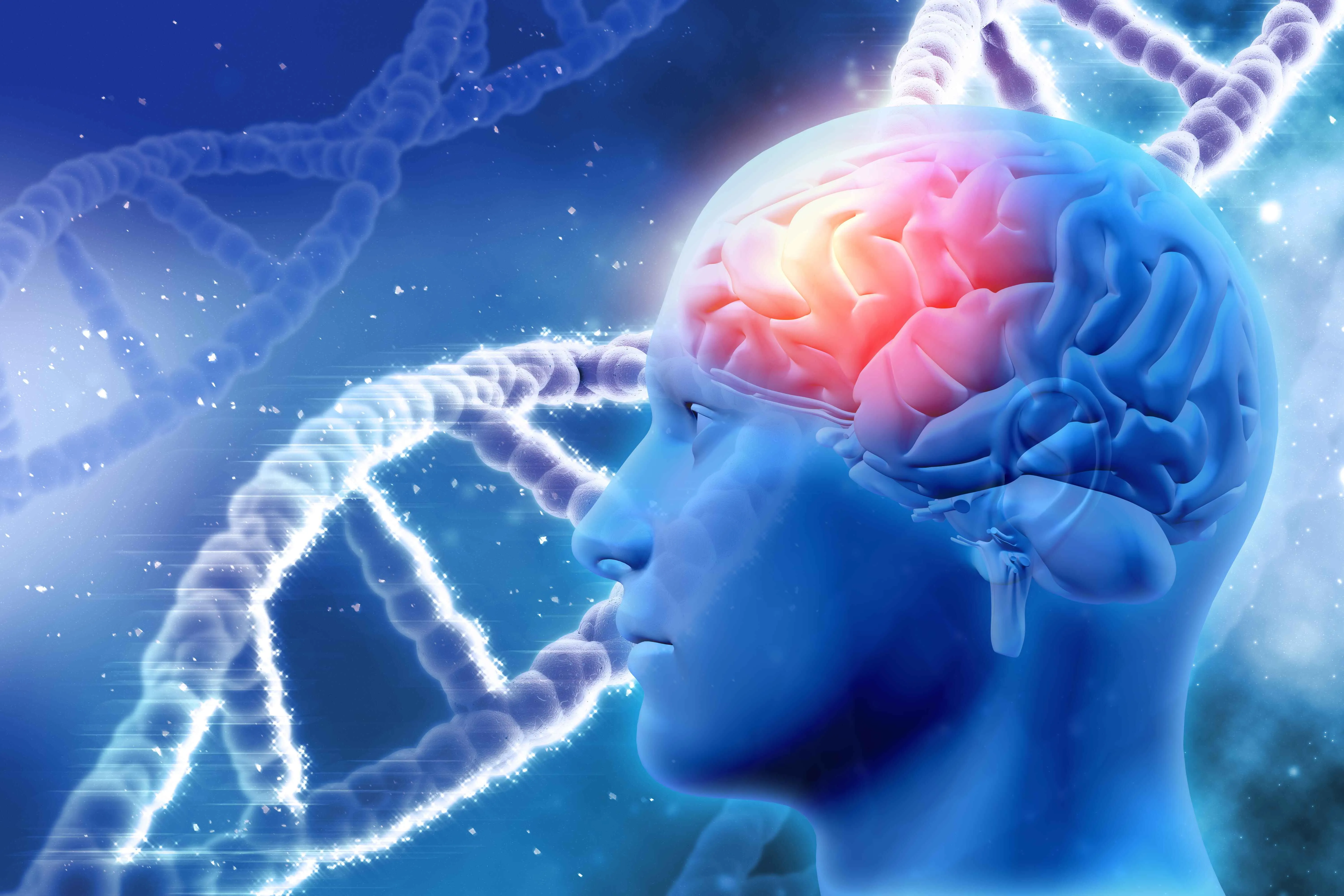
Understanding EEG Alpha WavesEEG alpha waves are one of the five primary types of brainwave patterns measured through electroencephalography (EEG). These rhythmic electrical oscillations are most commonly associated with relaxed wakefulness, mental clarity, creativity, and calm attention. Scientists, healthcare professionals, and researchers have studied alpha waves extensively because of their important role in cognitive function, emotional regulation, and overall brain health.Alpha waves are typically observed when a person is awake but relaxed, such as during meditation, deep breathing, or quiet reflection. Unlike sleep-related brainwaves, alpha activity represents a balanced mental state in which the brain remains alert while experiencing reduced stress and mental tension.EEG alpha waves reflect a relaxed yet attentive state of brain activity, making them an important indicator of healthy cognitive function and emotional well-being.What Are EEG Alpha Waves?Electroencephalography (EEG) measures the brain's electrical activity using small sensors placed on the scalp. These sensors detect synchronized firing patterns of neurons, producing measurable brainwave frequencies.Alpha waves generally occur within a frequency range of 8 to 12 Hertz (Hz) and are most prominent when:The eyes are closedThe body is relaxedMental activity is calmExternal distractions are minimalAlpha activity often decreases when a person begins concentrating intensely, solving complex problems, or engaging in demanding mental tasks.How EEG Measures Alpha WavesEEG is a non-invasive technique used to monitor electrical activity generated by the brain.The process typically involves:Placing electrodes on the scalp.Recording electrical signals produced by neurons.Measuring wave frequency and amplitude.Analyzing brainwave patterns across different brain regions.Healthcare providers and researchers use EEG to evaluate normal brain function and assist in assessing various neurological conditions.Characteristics of Alpha WavesAlpha waves possess several unique characteristics that distinguish them from other brainwave frequencies.Common features include:Frequency between 8–12 HzModerate amplitudeProminent during relaxed wakefulnessStrongest in the occipital and parietal regions of the brainReduced during intense concentration or visual stimulationThese characteristics make alpha waves valuable indicators of relaxation and cognitive balance.Types of BrainwavesUnderstanding alpha waves becomes easier when compared with the brain's other electrical rhythms.Delta Waves (0.5–4 Hz)Delta waves dominate during:Deep sleepPhysical restorationTissue repairTheta Waves (4–8 Hz)Theta activity is associated with:Light sleepMeditationCreativityMemory processingAlpha Waves (8–12 Hz)Alpha waves are commonly linked to:RelaxationCalm awarenessCreative thinkingMental recoveryReduced stressBeta Waves (13–30 Hz)Beta waves become more active during:Problem-solvingDecision-makingActive concentrationAlertnessGamma Waves (30 Hz and above)Gamma activity has been associated with:Information processingLearningSensory integrationComplex cognitive tasksBenefits Associated with Healthy Alpha Wave ActivityRelaxationAlpha waves frequently increase when individuals enter a calm and relaxed mental state.Activities that may promote relaxation include:Mindfulness practicesDeep breathingQuiet reflectionGentle relaxation exercisesMental ClarityBalanced alpha activity has been associated with improved mental organization and reduced cognitive overload.People often report feeling:More focusedLess mentally fatiguedBetter able to process informationCreativityResearchers have observed increased alpha activity during certain creative tasks.Creative activities may include:WritingPaintingMusicBrainstormingProblem-solvingStress ReductionRelaxed alpha states are often associated with lower levels of mental tension and emotional stress.Maintaining balanced alpha wave activity may support relaxation, mental clarity, and improved cognitive performance in everyday life.EEG Alpha Waves and Cognitive PerformanceAlpha waves play an important role in several cognitive processes.Attention RegulationRather than indicating inactivity, alpha waves help the brain filter unnecessary information, allowing attention to remain focused on relevant tasks.Memory ProcessingResearch suggests alpha activity contributes to efficient communication between different brain regions involved in memory formation and retrieval.Information ProcessingBalanced alpha rhythms may improve the brain's ability to organize and process incoming information efficiently.Emotional RegulationHealthy alpha activity has also been associated with improved emotional balance and resilience.Activities That May Increase Alpha Wave ActivitySeveral healthy lifestyle practices are associated with increased alpha brainwave activity.Examples include:MeditationMindfulness exercisesYogaDeep breathingListening to relaxing musicSpending time in natureAdequate sleepRegular physical activityIndividual responses vary, and these activities are generally intended to support overall relaxation and well-being rather than produce specific brainwave outcomes.EEG Alpha Waves in Clinical SettingsHealthcare professionals use EEG recordings to evaluate brain activity in a variety of situations.EEG may assist in the assessment of:Seizure disordersSleep disordersAltered levels of consciousnessBrain injuriesCertain neurological conditionsAlthough alpha wave patterns contribute to EEG interpretation, healthcare providers evaluate them alongside many other clinical findings.EEG Alpha Waves and NeurofeedbackNeurofeedback is a technique that uses real-time EEG measurements to provide individuals with information about their brain activity.During a neurofeedback session:EEG sensors record brainwave activity.Software analyzes the signals.Visual or auditory feedback is provided.Participants practice strategies intended to influence their brain activity.Research into neurofeedback continues, and its effectiveness may vary depending on the condition being addressed and the quality of the training program.Factors That Influence Alpha Wave ActivitySeveral everyday factors can affect EEG alpha wave patterns.These include:Sleep qualityFatigueStress levelsAgeMedication useEye position (open or closed)Environmental distractionsBecause alpha activity naturally fluctuates, a single EEG recording represents only one snapshot of brain function.Common Misconceptions About EEG Alpha WavesMyth: More Alpha Waves Are Always BetterHealthy brain function depends on maintaining a balance among different brainwave frequencies. Excessive or insufficient alpha activity is not inherently beneficial or harmful without considering the broader clinical context.Myth: Alpha Waves Guarantee High IntelligenceIntelligence is influenced by many factors, including genetics, education, environment, experience, and multiple aspects of brain function. Alpha waves represent only one component of overall neural activity.Myth: Alpha Waves Alone Cure Medical ConditionsWhile relaxation techniques may increase alpha activity, there is no evidence that alpha waves alone cure neurological or psychological disorders. Medical concerns should always be evaluated by qualified healthcare professionals.Lifestyle Habits That Support Healthy Brain FunctionAlthough no lifestyle habit can guarantee a specific EEG pattern, several practices contribute to overall brain health.These include:Maintaining consistent sleep habitsEating a balanced dietExercising regularlyManaging stressStaying mentally activeBuilding social connectionsLimiting excessive alcohol consumptionFollowing medical advice for existing health conditionsThese habits support healthy brain function across many domains.Research on EEG Alpha WavesScientists continue investigating the relationship between alpha waves and:AttentionLearningMemoryAgingEmotional processingMeditationCognitive flexibilityAdvances in brain imaging and EEG technology are expanding the understanding of how alpha rhythms contribute to normal brain function.While many findings are promising, ongoing research is needed to clarify the role of alpha waves in different cognitive and clinical settings.EEG Alpha Waves in Education and PerformanceResearchers are also exploring how alpha activity relates to:Learning efficiencyAcademic performanceSkill acquisitionAthletic performanceWorkplace productivityAlthough balanced alpha activity has been associated with relaxed attention, performance depends on many interacting biological, psychological, and environmental factors.Future Directions in EEG Alpha Wave ResearchEmerging areas of research include:Artificial intelligence-assisted EEG analysisPortable EEG technologyPersonalized neurofeedback systemsBrain-computer interfacesImproved cognitive assessment toolsThese innovations may enhance understanding of brain function and support future advances in neuroscience and clinical care.ConclusionEEG alpha waves represent an important aspect of normal brain activity and are closely associated with relaxed wakefulness, calm attention, and efficient cognitive processing. Measured through electroencephalography, alpha rhythms provide valuable insight into how the brain functions during periods of rest, reflection, and focused relaxation.While alpha waves have been linked to relaxation, creativity, and attention, they are only one part of the brain's complex electrical activity. Maintaining overall brain health through quality sleep, regular exercise, stress management, and healthy lifestyle habits remains the most effective way to support optimal cognitive function and emotional well-being.