Category

Education & Learning

Comprehensive discussions and expert insights revolving around education & learning trends and best practices.

Sep 19, 2026 7 Reads

A Beginner's Guide to Learning to Drive in Berwick

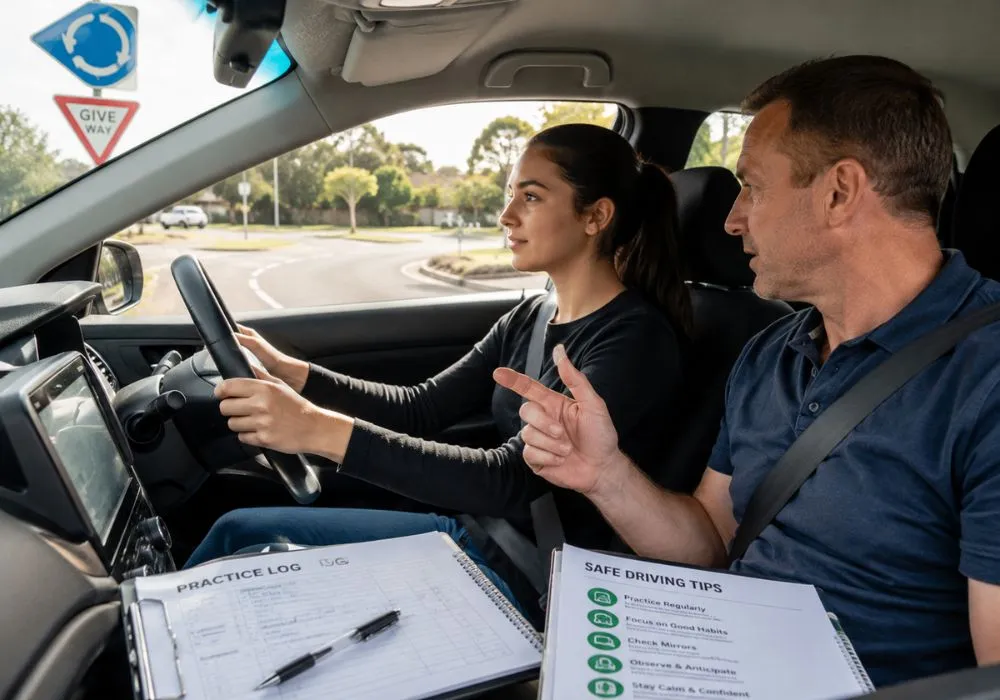
Learning to drive in Berwick means getting comfortable with more than quiet residential streets. You will eventually need to handle roundabouts, lane changes, busier intersections and changing speed zones while following Victorian learner rules. This guide covers the main requirements, local roads worth practising on and the skills to work on before your drive test.Start with the Victorian Learner Permit requirementsYou need a Victorian Learner Permit before driving on public roads. You can apply for your Learner Permit from age 16, and you must drive with a supervising driver who holds a full car licence. Learners must display L-plates and follow conditions including a zero Blood Alcohol Limit and mobile phone restrictions.For drivers under 21, you need 120 hours of supervised driving, including at least 20 hours at night. You must also hold your Learner Permit continuously for at least 12 months. The minimum permit period is six-month for drivers aged 21 to under 25 and three-month for drivers aged 25 or older.Practise on Berwick roads, not just quiet streetsOnce you can steer, brake and control the car smoothly, start using roads that reflect the driving you will face in everyday life. Clyde Road and Berwick-Cranbourne Road are useful for practising lane positioning, traffic flow, intersections and changes in speed limits.Busy roundabouts and shopping areas around Eden Rise can also help you improve your observation and gap selection. School zones require extra attention to speed and pedestrians, while roads leading towards the Princes Freeway give you experience with heavier traffic and merging.Driving lessons in Berwick can give you a structured way to build these skills. Rather than repeating an easy route, your instructor can introduce more complex situations as your confidence and control improve.Build your driving hours around real conditionsYour 120 hours should cover a genuine range of situations, not just fill the logbook. Mix quiet suburban streets with peak-hour traffic, night driving, parking, longer regional trips and more complex intersections. If you are under 21, at least 20 of those hours must be at night, so plan these sessions early. Record everything accurately in the myLearners app or an approved paper logbook, as your hours must be verified before you can book the drive test.Know what the Victorian drive test assessesBerwick learners typically sit their drive test at VicRoads Pakenham or Dandenong. The test has two stages. Stage 1 covers low-speed manoeuvres such as parking and three-point turns, and Stage 2 moves into higher-speed traffic where you are assessed on observation, signalling, lane position, gap selection, following distance and speed management.You also need to pass the Hazard Perception Test before the drive test. It uses short traffic videos to measure how quickly and accurately you identify developing hazards.Before booking, practise anything that still feels uncertain on local roads near where you will be tested. A learner who can handle the Eden Rise roundabout, merge on a busier arterial and manage speed changes calmly is genuinely ready, not just eligible.Read more : Why Local Knowledge Matters When Learning to Drive in Officer

a
auz drivingschool
Sep 19, 2026 15 Reads

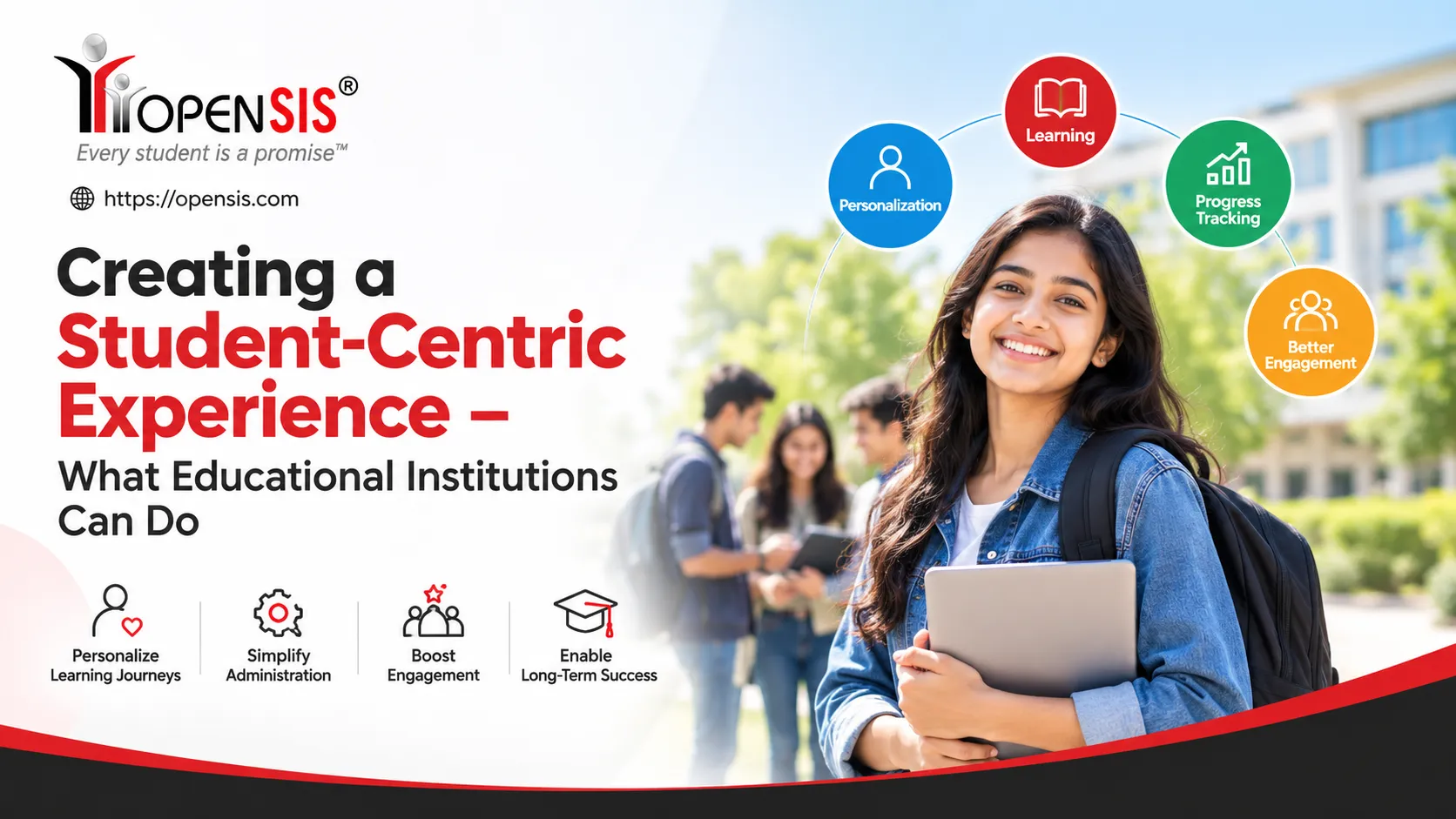
Creating a Student-Centric Experience – What Educational Institutions Can Do

A student-centric institution may sound simple. It may be interpreted as students coming first, hearing them out, and offering better support. However, student-centric is much deeper than that. However, when the time comes to offer student-centric services, friction usually begins. Institutions have multiple systems handling different aspects of the student journey. Different platforms manage different tasks. This is why, when schools attempt to offer a student-focused service, they usually face a multitude of challenges. If you have to explore ten different places for one piece of information, a student-first service will go through many delays. This is why integrated systems are becoming essential for schools. An LMS-integrated student information system not only centralizes data, but also works perfectly well with the existing software systems.Understanding Student-Centric – What It IsBeing student-centric does not mean accepting all the requests students make. It means designing a process that monitors the student journey. It includes looking at some practical things –How easy is it to find information?Can students find information on their own?Can they complete common tasks?Does the school have enough resources to offer relevant support?Are school departments connected?This is where QuickBooks school ERP integration systems like openSIS become important. These systems can offer the underlying infrastructure for managing core student information. Using AI-powered student information systems, you can build a robust centralized data platform for institutional growth and student engagement. Student Journey Is The Focus HereA student’s education journey has multiple aspects. The classroom is only a part of the journey. To monitor a student’s entire educational progress, you need to pay attention to –Their engagement in school activitiesTheir interactions with other studentsTheir participation in classroom questionsTheir interest in different subjectsTheir attendance and regularityTheir behavior in schoolGrade is important. But grades do not tell the whole story. To build a student-centric education system, you need to look at the whole picture. You need to understand both the strengths and weaknesses of the students. If a student needs assistance but is too shy to ask for it, leaders need to notice the struggle. Early intervention is the core of a student-centric institution. A digital tool works as the connector between different departments. A modern LMS integrated student information system can bring together course information with other student data. Once you have everything in front of you, pattern recognition becomes easier. This is useful because, over time, schools are growing, student numbers are growing, courses are multiplying, and classrooms are expanding. Managing all these together requires smart backend support with the ability to assess and generate without making any delay.Less Repetition – Better ExperienceSchools, when operated under a traditional system, use multiple data storage ecosystems. They manage spreadsheets, files, multiple software systems, and even email trails for information. This often leads to data misplacement. As a result, students are often asked to submit information multiple times.A disconnected data system can make students repeat information. Under a student-centric operation, student data is handled differently. Centralization is the main objective here. A well-implemented LMS integrated student information system not only gathers information in one place, but also processes the collected information for pattern reading and trend recognition. It makes operations faster and reduces the risk of data misplacement and human errors.Offering Students A View Of Their Academic Journey Under a system that follows a student-first rule, students don’t have to wait to view their records. Data needs to be easily accessible to the students. However, a fragmented data system can make viewing data a difficult task. This is where modern QuickBooks school ERP integration systems become essential. These systems offer –Current enrollment statusCourse schedule recordsAttendance recordsGrade recordsAcademic historyAcademic progression recordWhen all these are placed on one dashboard, students can access their data without having to request anyone. SIS does not treat every academic event as a separate transaction. It connects everything together, so that real-time visibility becomes possible. LMS + SIS – Connected LearningLMS and SIS perform different tasks. LMS deals with courses. It looks after the assignments, quizzes, and course activities. In other words, LMS is the institutional digital learning environment. SIS has a different landscape altogether. It deals with student data. SIS manages the core student information ecosystem for better education and early intervention. Modern SIS platforms can easily integrate with LMS. The connected systems allow information to move smoothly. This creates data continuity. SIS Deals With StudentsA well-designed LMS integrated student information system knows the students. SIS monitors attendance, grades, student behavior, and engagement. Therefore, if you look closely, you will find that SIS platforms, with their AI-powered insights, operate on a broad perspective. When used right, SIS can become a powerful tool for Real-time data visibilityData processingData analysisData reportOverall, SIS manages the whole data ecosystem for modern schools.Lastly, Finance is an essential part of school operations. The QuickBooks school ERP integration systems can connect financial data to the school dashboard. It makes the monitoring task easier to handle.FAQ1. What does a student-centric experience mean?A student-centric experience puts the student's needs, journey, accessibility, and support at the center of institutional processes and technology.2. How can a Student Information System improve the student experience?A Student Information System centralizes student information and streamlines academic and administrative workflows, making information easier to access and processes easier to navigate.3. Why is data integration important for student-centric institutions?Data integration allows relevant information to move between systems, reducing duplication, improving visibility, and creating a more connected student experience.4. What is an LMS integrated student information system?An LMS integrated student information system connects learning activity with core student and academic records to provide greater continuity across the student journey.5. How do LMS and SIS work together?An LMS manages learning activities and course content, while an SIS manages broader student information, with integration allowing the two systems to exchange relevant data.

T
Tiffani Leilah
Aug 30, 2026 34 Reads

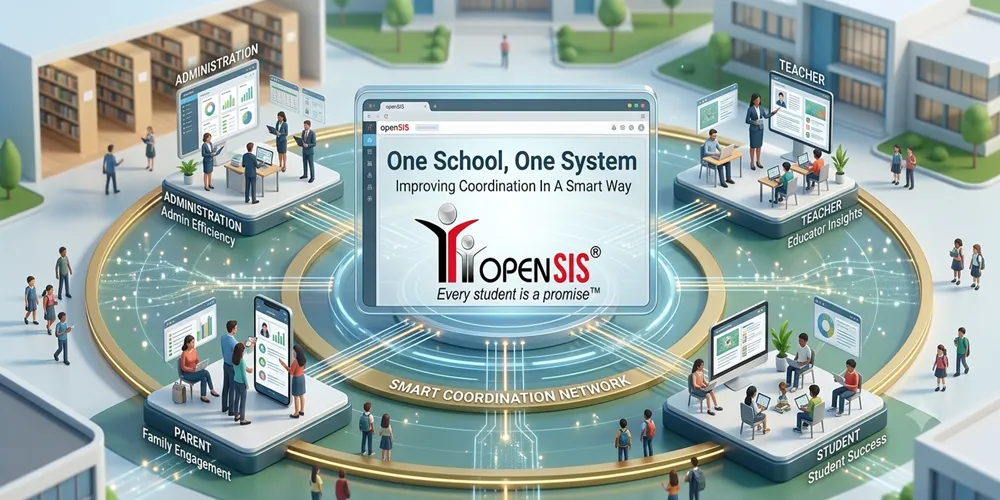
One School, One System – Improving Coordination In A Smart Way

Proper and organized coordination is a big asset for any growing school. It keeps confusion under control. Because everyone under the umbrella of your school is performing different duties, and everyone needs information to keep doing their job. Hence, without a structured communication platform, it might be difficult to operate without friction. For this reason alone, modern schools need something a digital system that can connect everything together and make coordination easier for the whole school. A well-designed Student Information Management System works like the digital coordinator that stores every piece of information together for future use. A single missed data point or overlooked number can create a chain reaction inside the administrative room. A modern Student Information System (SIS) can gather these overlooked parts and bring them under an organized data ecosystem. Rather than sending everyone chasing data and verification files, these systems centralize every piece and make access easier. A strategic coordination process removes administrative frictions and reduces hassle. Why Coordination Becomes Difficult In SchoolsWhy indeed? Why does communication between different departments under one roof become such a challenge? The answer is simple. Schools handle an enormous volume of data. And every year, this volume increases. Administrators have to manage –GradesAttendance AssignmentsPaymentsAnd if coordination relies on manual effort, someone has to keep track of all these branches of information. When multiplied by thousands, the job becomes more complex than it looks. Student Information System (SIS) gives schools the platform to bring everything to one place. Platforms like openSIS not only store data; using AI insights, these systems process data to create detailed data reports. How Does SIS Make Coordination Easy?A school information system gathers data and stores it in one place. This centralization makes coordination between departments easier. From attendance to payment, SIS stores every piece of data. To access any information, you simply have to use your login credentials to view the dashboard. SIS not only makes parent and teacher coordination better; it also makes operations easier. Here is how SIS simplifies coordination -SIS Removes Data Inconsistency Data inconsistency is a big challenge for schools. Often it looks like teachers are managing one file and the offices are managing another. In between the two files, some numbers change. It is a common error that does not occur due to a lack of efficiency. It happens because of fragmentation. SIS offers access to accurate data and allows authorized people to view information they need. It removes data inconsistency by making data visible and easy to access.SIS Helps Teachers & Administrators Work On The Same InformationTeachers and administrators might operate from different departments, but their work is connected. Teachers collect attendance data. Administrators need this data for report creation. Counselors use this report to monitor student behavior and pattern recognition. A Student Information Management System develops a bridge between these departments so that data does not need manual effort to travel. This creates a smooth workflow for the school. SIS Gives Students Better Access To InformationStudents are active participants of their education journey. They deserve to have access to their personal data. A student information system allows student to view their information without any trouble. Students can access their dashboard and see –Their gradeTheir attendanceTheir payment statusTheir class schedulesLatest academic updatesWith SIS, student can simply view their status without having to ask anyone. This creates a greater student experience. SIS Keeps Parents Better InformedEvery parent wants visibility into their child’s educational life. However, often it becomes difficult to get information due to busy schedules. Also, administrators have to verify information before passing it out to anyone. It creates a communication gap, which is not what parents are looking for. A centralized SIS offers a detailed view of student data to parents. They get relevant information through an appropriate portal that school administrators use. On the SIS dashboard, parents can view –Attendance statusGradesSchedulesAcademic updatesThis creates a better connection between the school and the parents. Smooth communication offers transparency. Parents will not make routine update calls. Administrators will not have to answer so many queries. SIS not only improves school and parent communication. SIS improves teacher and parent communication as well. The student software system will provide teachers with centralized information, which makes communication easier.The Big PictureThe communication gap is just a data management challenge. A modern Student Information Management System can build a data foundation for the school. And authorized people can access this foundation when needed. When you can access the right information at the right time, you can become more responsive, more confident, and more strategic in your communication.LastlyYour Student Information Management System makes data visible to everyone authorized to view the dashboard. With a digital tool working in the background, you will not have to remember information or rely on anyone else to note it down for you. The digital locker can store the data safely and let you use it when required.1. How does a Student Information System improve school coordination?An SIS centralizes student information so teachers, administrators, students, and parents can access relevant data through connected workflows.2. How does an SIS help teachers and administrators collaborate?It gives both groups access to consistent student and academic information based on their roles.3. Can an SIS improve parent communication?Yes, an SIS can give parents convenient access to relevant student information and school updates.4. How does an SIS help students?It can give students access to information such as grades, attendance, schedules, and academic updates.

T
Tiffani Leilah
Aug 28, 2026 51 Reads

Student Challenges Solved by Homework Writing Services

There are numerous issues that students have to deal with during their studies. The combination of attending classes, doing assignments, and personal life makes studies challenging and stressful.Many students need some assistance to cope with their academic issues and successfully perform their tasks. Homework writing services provide necessary help in handling academic pressure and improving academic performance. These services offer appropriate assistance and make the studying process easy. With the right assistance, students can concentrate on their objectives and future success.Academic Issues that Are Common for StudentsThere are plenty of academic issues that students have to face. They should work with numerous disciplines, write lengthy essays, and use limited time. At times, they may have issues with understanding certain concepts. This situation causes confusion and loss of confidence among students. However, a dissertation writing service provides students with the appropriate assistance, especially when they experience difficulties with their academic tasks. It provides guidance for students and easily explains all issues.Time Management Issues in Student LifeMany students find it difficult to manage time efficiently. They go to class, finish assignments and do personal things every day. This hectic schedule creates pressure and confusion among them. Many of them find themselves failing to plan work in an efficient manner. Thus, they end up missing deadlines and feeling under pressure. Effective time management is necessary for proper organisation and focusing on their studies. You can accomplish all the tasks if you have a simple schedule. This enhances your efficiency and removes any kind of stress from your life. Difficulties in Understanding Complex SubjectsSome subjects are difficult to understand for most students. Subjects such as math, science or research require serious attention and practice. The quick pace of lecturers confuses many students. They feel hesitant to ask questions in class due to fear and pressure. However, if you use simple study techniques, you can understand concepts in a much better way. You can also take additional help to enhance your understanding of subjects.Pressure of Deadlines and WorkloadStudents usually experience stress because of strict deadlines and a large workload. They get a lot of tasks simultaneously. Therefore, it becomes quite difficult for them to cope with all tasks. The more time passes, the more stressed and tired students become. The right management of tasks decreases their pressure. Calmness and planning allow coping with deadlines successfully. Hence, it becomes possible to keep being active and completing tasks without being stressed or overloaded.Barriers of Language in Academic WritingA lot of students have difficulties with language while writing academic papers. These difficulties are connected with grammar mistakes, inappropriate vocabulary, and poor sentence structure. Thus, writing becomes complicated and confusing for students. Lack of confidence appears when students are not able to convey ideas clearly. Training and reading some materials help to improve writing skills gradually. Proper structure and vocabulary are learned with guidance.How Do Homework Writing Services Solve These Challenges?Homework writing assistance is very helpful for students because it helps them to solve all kinds of academic issues with ease. It provides support in solving complicated topics as well as in writing homework. Students get all sorts of answers that are easy to understand and are simple in nature. This is very helpful for improving their knowledge base as well as confidence. This kind of support not only saves time but also reduces stress from the student’s mind. It enables them to finish their homework and assignments with ease.Providing Assistance in Difficult SubjectsThe educational landscape is currently experiencing a profound shift, with technology at the forefront of this revolution. (dissertation, 2023) Experts make difficult subjects very easy to understand for the students. They provide solutions to various questions in such an easy way that students do not face any trouble in understanding them. This way, they improve their knowledge base and helps become confident enough to face academic challenges. They can clear all their doubts with the help of experts.Helping Students Meet Tight DeadlinesTraditional course deadline policies uphold the myth of the “normal” student, assuming students face few and equal barriers to completing work on time. It is common for students to find themselves unable to complete their work in time. There are several tasks to be done within a limited amount of time. The proper guidance helps them complete their work in time and in an efficient manner. They help students manage their time properly and complete their assignments. It is helpful for them in getting rid of stress and performing efficiently.Development of Writing SkillsThe students develop their writing skills under proper guidance. They get to know how to structure sentences and apply correct grammar in their assignments. The regular practice makes them efficient writers. Homework writing services help students gain confidence in expressing their ideas. Writing skills are essential in each subject. They help students submit quality assignments and perform efficiently.Offering Plagiarism-Free and Quality ContentStudents need original and quality content in their work. Copying content creates problems and lowers grades. Learning how to write unique answers and how to express ideas in their own words is important. This improves creativity and thinking skills. Quality content shows a better understanding of the topic. When students focus on originality, they build strong academic habits. This helps them succeed in studies and maintain good performance.Reducing Stress and Academic PressureAcademic pressure affects students in many ways. They feel tired, worried, and less motivated. However, managing tasks properly helps reduce stress. Students feel relaxed when they follow a simple routine. Taking breaks and staying organised improves focus. Support and guidance make learning easier. It helps students handle pressure better and stay positive. A calm mind helps them perform well in studies and enjoy their learning journey.ConclusionThere are numerous challenges that students have to deal with throughout their educational life. These obstacles influence the learning process and the performance of the students. However, with appropriate assistance and guidance, students find it easy to cope with their assignments. They enhance their skills, minimise stress, and remain concentrated on their goals. Effective ways of learning make their learning process successful. They become more confident in themselves and perform well in exams.

J
Joseph Woody
Aug 27, 2026 70 Reads

The Future of Information Security and CISM Exam Help Online

Digital technology is infiltrating every aspect of modern life at an unprecedented rate. In order to reduce risk and hack attacks, commercial companies, governments, hospital services, education centers, and financial organizations store significant amounts of private data and are increasingly recruiting information security experts to prevent breaches from happening. The wide interest for CISM exam help online is as a consequence, as security managers-to-be look for the most effective way to excel their skills in this field.In parallel, IT experts are broadening their technical know-how by taking many certifications that improve their career potential. Candidate preparing for security certification are often also searching online COMPTIA exam guidance as a way for building a strong technical foundation prior to move onto management-oriented certifications such as CISM.Why Information Security Will Continue to GrowInformation security is on a very bright future as every day organizations become more and more threatened by new cyber risks. Digital transformation, cloud, telecommuting and artificial intelligence offer new opportunities for enterprises but at the same time, bring new weaknesses to be destroyed by attackers.The role of an information security professional is ever more critical as cybercriminals and hacker groups become more sophisticated. Businesses now look to employ security experts who have knowledge of risk management, governance, compliance and incident response. Information security is much more than just setting up firewalls and installing antivirus systems. Companies require strategists that can develop security policies with the company's strategic interests in mind while also keeping their digital property safe and secure.Governments across the globe are, in addition, tightening privacy legislation, requiring compliance as a core business function. IT security experts will therefore be sought-after in all industries for many years to come.The Rising Importance of CISM CertificationThe Certified Information Security Manager (CISM) has become one of the most sought-after credentials for professionals seeking to advance into leadership roles. While technical certifications primarily address control implementation, CISM covers governance, risk management, security program development and incident management.Those with CISM certification can bring both technical knowledge and business judgment to their role. Employers like this perspective because in security management, the manager will need to speak directly with executives, manage security teams, ensure compliance and guide appropriate decision-making during security incidents.As cybersecurity becomes more embedded into business strategy, the CISM certification will only become more vital.How Online Learning Is Transforming CISM PreparationTechnology has transformed the way professionals get ready for certification exams. Conventional classroom training is not the sole approach. Now, through the internet, training course users can access on-line training course environment, submit their questions, learn through pre-recorded video tutorials, participate in on-line mock exams, review study guides electronically and much more.Full time working candidate particularly gains as they can learn as per their convenience without affecting their current job. It can be done early morning before clocking to office or weekends or while on any mode of commute.With the availability of CISM exam help online, certification preparation has become so much easier without sacrificing the quality of education.Artificial Intelligence Is Changing Cybersecurity EducationAI-powered systems are playing an increasingly prominent role in cybersecurity training. These days, online training portals are equipped with technologies that studies a student’s performance, detects gaps in knowledge and suggests bespoke exam preparation schedules. Candidates are no longer subjected to identical training schedules.With the help of the AI, students can take practice tests as if they were into the exam and receive comprehensive explanations on the answers for each session. This allows more knowledge to be acquired easier.As AI technology advances, there is no doubt that certification prep will be more tailored to individuals, which hopefully will increase the candidate's confidence when testing.Cloud Security Will Shape Future Information Security CareersCompanies are shifting their business activities to the cloud due to the flexibility, scalability and cost savings it provides. But moving to the cloud also brings about new security issues not addressed by traditional information systems security expertise.The cloud infrastructure, identity management, encryption, access control and safe cloud design are required for information security professionals of the future. Security managers are more likely to be incharge of creating cloud governance frameworks that mitigate organizational risk without quenching growth.Ideally, individuals with both cloud security experience and CISM will find their options increasing as organizations move further toward cloud adoption.The Growing Role of Risk ManagementOne of the most significant changes in information security is the diminished emphasis on technical controls and the increased attention to business risk. Business executives are demanding that security professionals assess cyber risk in business terms: financial, operational, legal and damage to reputation.Having an understanding of enterprise risk management enables a security manager to counsel the executive leadership on how prioritization budgets.CISM tends to highly value this strategic view and is therefore extremely relevant to those on the management path.Continuous Learning Will Become EssentialThe field of cybersecurity is changing at an extremely rapid rate. Every month new different vulnerabilities and exploits, application platforms, regulatory requirements and technologies can be seen coming onto the scene. Many of the information security professionals will have to in order to stay up-to-date cannot come from the knowledge acquired over the course of preparing for certifications.Lifelong learning has become a career and ongoing commitment. Elements of ongoing learning include: attending conferences for additional training and certification; participating in webinars; reading journals and joining professional groups; and applying ever evolving techniques.Those who are committed to lifelong learning and do not consider certification to be the end of it will thrive in it.ConclusionInformation security is set to stay among the fastest growing and most important career areas as the world plunges ever more deeply into digital transformation. As organizations require more and more trained professionals who have the business leadership skills along with the technical knowledge to keep up with rapidly changing cyber security threats, certifications such as CISM approach online help is much valued by growing professionals, while CISM exam help online is nevertheless provides a vital resource, delivering flexible, high quality learning solutions to help candidates study effectively. At the same time online COMPTIA exam help makes an excellent resource for those training toward an ever more technical knowledge of IT skills to take advantage of the transition toward security focused strategic management. As the nature of security evolves.

G
Gale Franklin
Aug 25, 2026 65 Reads

Understanding Anxiety and Stress in Higher Education Students

Higher education is an exciting stage for students, but this stage also brings anxiety and stress. The biggest stress is due to future career pressure and family expectations. Students also have to take care of their finances themselves while trying to do part-time jobs, complete their assignments, and work on research projects. When the research project starts to consume all their time, then a lot of students also seek psychology dissertation help.While academic support can help to reduce academic stress and anxiety, students need to understand its causes and learn how to take care of their mental health. Why Mental Health Matters in Higher EducationIn order to succeed in higher education, mental health plays a very important part. The students who feel emotionally balanced can concentrate better and complete their coursework on time. On the other hand, anxiety and stress can reduce motivation, affect learning, and make everyday tasks harder.Many universities now understand the importance of mental health in education. This is why they have started several counselling services and wellness programs. Other external resources are also there like dissertation writing help that reduces the burden of complex dissertation projects. The Difference Between Stress and AnxietyStress and anxiety are not exactly the same, despite the fact that people frequently use the phrases interchangeably. Stress is typically a reaction to a particular circumstance, such as managing several duties, meeting deadlines for assignments, or getting ready for tests. Stress usually subsides when the event is over.However, anxiety could persist even after the traumatic situation has passed. It involves persistent anxiety, fear, or concern that can disrupt day-to-day activities. While some students have modest anxiety, some may develop anxiety disorders that call for medical attention.How Common Are These Challenges?Stress and anxiety are among the most prevalent mental health issues impacting college students, according to numerous studies. Increasing academic demands, increasing freedom, and new obligations are all part of the move to higher education.In addition, students may have to deal with extra challenges pertaining to money, housing, relationships, or juggling part-time work and school. Managing emotional tension can be challenging when multiple of these elements come together.Common Causes of Anxiety and Stress Among StudentsDifferent situations can lead to stress and anxiety. Understanding these challenges helps the student to get help before the stress becomes too much to handle. Academic PressureThe biggest source of stress is academic workload. Students have to complete assignments for multiple subjects, such as essays, presentations, group projects, and exams. When there are multiple deadlines, students feel that they have no time to rest. This constant pressure leads to increased anxiety. Dissertation and Research ResponsibilitiesOne of the most difficult academic assignments in higher education is the dissertation. Students must select an appropriate topic, carry out in-depth research, evaluate the results, and produce a well-organized document that satisfies academic requirements.Many students are unsure about data analysis, referencing styles, and research techniques. Stress levels can rise as a result of these worries, especially when submission deadlines get near.Financial ConcernsContinuous financial strain might result from paying for books, transportation, housing, tuition, and daily living expenditures. Students who work part-time while in school frequently find it difficult to juggle work and school obligations. Money worries can cut into study time and lead to emotional tiredness.Career UncertaintyFinding a job after graduation is a concern for many students. When students are in their last year of college, they get more stressed about jobs. There is so much competition, and students want to get the best job aligned with their interests. Social and Personal ChangesSignificant lifestyle adjustments are frequently required for higher education. While some students relocate for the first time, others adapt to new friendships, countries, or living situations.Feelings of loneliness or isolation may result from these changes, particularly in the first year of college.Healthy Ways to Manage Stress and AnxietyEven with the demanding schedule, students can still develop healthy strategies to manage stress more effectively. Create a Realistic Study SchedulePlanning coursework ahead of deadlines helps to reduce last-minute pressure. Students can break large assignments into smaller tasks to make them more manageable. There are several digital tools and planners that assist in proper planning and also provide reminders. Maintain Healthy Daily HabitsStudents should also maintain healthy daily habits such as:Get enough sleepEat balanced mealsExercise regularlyStay hydratedTake short study breaksAll of these habits improve concentration, energy, and emotional well-being. Build a Support NetworkFeelings of loneliness might be lessened by speaking with dependable family members, friends, instructors, or university counselors. Encouraging discussions frequently assists students in gaining perspective and figuring out workable answers to academic problems.Practice Relaxation TechniquesStress levels can be lowered by using relaxation techniques, including deep breathing, mindfulness, meditation, or mild exercise. Focus and emotional equilibrium may be enhanced by even a short daily period of relaxation.Seek Professional Help When NeededIf the pressure is too much and the anxiety is at an all-time high, then students should seek professional help. They can go to a psychologist, can take university counselling services, or can receive professional academic assistance. This way, they are not left behind in their coursework while also getting the help they need.Creating a Healthier University ExperienceIt is also the responsibility of the university and educators to create a better environment for students. Teachers should not burden the students, give realistic workloads, and show more flexibility. Students should also help their friends and ask for help when they are in need. ConclusionAnxiety and stress have become a normal part of higher education. Almost every student has too much workload, which they cannot handle alone, leading to pressure and stress. Students need to better plan their academics and maintain healthy habits to deal with stress and anxiety. They should also seek professional help when they know they are too overwhelmed and would benefit from a professional service. 

J
Jose Willoughby
Aug 18, 2026 128 Reads

Superyacht Training Academy: How to Choose the Right One for Your Yachting Career

Why Choosing the Right Training Academy MattersStarting a career in yachting can be exciting. You may get the chance to travel, meet new people, and work in a fast-moving environment. However, getting started requires the right preparation.A good superyacht training academy gives you more than a certificate. It helps you understand how professional yachts operate. It also teaches you the standards expected from crew members.The right academy can make your first steps easier. It can help you build confidence before entering the industry. In addition, it can prepare you for the practical challenges of working at sea.Your Training Can Shape Your First ImpressionYour first yacht job can depend on more than qualifications. Employers also look at your attitude, communication, professionalism, and ability to work with others.A strong training academy introduces these expectations early. As a result, you are more prepared when you start applying for jobs.Therefore, choosing your training provider should never be a rushed decision.Check Whether the Academy Offers the Right CoursesNot every training academy offers the same programmes. Some focus on basic maritime safety. Others provide specialist training for deck, interior, engineering, or hospitality roles.Before you register, decide which department interests you most. This will help you compare course options more effectively.For example, aspiring deck crew may need different practical skills from someone who wants to work in the interior department.Look for a Clear Training PathA reliable superyacht training academy should make it easy to understand which courses you need.The academy should explain which programmes are suitable for beginners and which are designed for experienced crew. This helps you avoid paying for courses that may not support your immediate career goals.Ideally, the academy should offer a clear progression route. You should know what comes first, what comes next, and how each course supports your development.Look at Accreditation and Recognised CertificationsQualifications matter in the maritime industry. Therefore, you should check whether the courses offered by an academy are recognised by the relevant maritime authorities.Recognised training can make it easier to apply for yacht positions. It can also help you progress toward more advanced maritime qualifications later.Do not choose a course only because it is cheap or convenient.Ask Questions Before You EnrolBefore paying, ask the academy what certification you will receive.You should also ask whether the certificate is accepted for the type of work you plan to pursue. In addition, check whether the training follows current maritime requirements.A professional academy should answer these questions clearly. If the information feels vague, it may be worth considering another provider.Evaluate the Experience of the InstructorsTraining quality depends heavily on the instructors.Experienced trainers can explain more than theory. They can share real examples from working onboard yachts and vessels. This can make lessons easier to understand.An instructor with practical industry experience may also help you understand what employers expect from new crew.Real Experience Makes Training More UsefulA textbook can explain how a procedure should work. However, an experienced trainer can explain what actually happens in real situations.That difference can be valuable.When comparing academies, look at the backgrounds of their instructors. Find out whether they have experience at sea and whether they understand modern yacht operations.The best trainers often combine technical knowledge with practical experience.Consider the Quality of Practical TrainingYachting is a hands-on industry. Therefore, practical training should form an important part of your preparation.Certain skills are difficult to understand through theory alone. Fire safety, survival techniques, line handling, service, and other yacht-related skills often require practical experience.A well-equipped superyacht training academy should provide realistic training wherever possible.Practical Skills Build ConfidencePractical sessions help you understand how to respond under pressure.They also allow you to make mistakes in a controlled environment before entering a real workplace.For beginners, this can make a major difference. You may feel more comfortable when you step onto a yacht for the first time because you have already practised some important procedures.Good practical training can also help information stay with you for longer.

E
Eva Braun
Aug 16, 2026 46 Reads

Why Positive Discipline Works in Early Childhood Classrooms

By Yogi PatelWalk into almost any early childhood classroom and you’ll witness a wonderful mix of curiosity, joy, learning—and big emotions.One child is upset because someone took the blue marker.Another isn’t ready to leave the block area for circle time.Two friends are arguing over whose turn it is.A teacher is trying to comfort one child while helping another solve a problem.If you’ve spent time with young children, you know this isn’t unusual. It’s part of a normal day in early childhood.After more than 25 years of working with teachers, school leaders, and families around the world, I’ve learned that these moments are not interruptions to learning.They are the learning.The question isn’t, “How do I stop this behavior?”The better question is, “What is this child trying to communicate?”When we begin asking different questions, we begin finding different answers.Behavior Is CommunicationYoung children don’t always have the words to express disappointment, frustration, fear, excitement, or even the desire to belong.Instead, they communicate through their behavior.A child who grabs a toy may not be trying to be unkind.A child who refuses to clean up may be feeling overwhelmed by the transition.A child who pushes another child may not yet have the language or skills to solve a problem differently.When we see behavior as communication rather than defiance, our response naturally changes.Instead of reacting, we become curious.Curiosity opens the door to teaching.Firm and Kind Can Exist TogetherOne of the biggest misconceptions about Positive Discipline is that it’s permissive.It isn’t.Children need clear expectations and consistent boundaries.They also need to feel respected and emotionally safe.Those two ideas belong together.I might say,“I won’t let you hit. I’ll stay with you while we figure out another way.”The limit is clear.The relationship remains intact.Children learn that adults can be both caring and consistent.That combination creates trust, and trust creates an environment where learning can flourish.Encouragement Helps Children Discover Their Own StrengthsOne of the shifts I encourage educators to make is moving from praise to encouragement.Praise often focuses on the adult’s approval.“Good job!”“You’re so smart!”Encouragement helps children notice their own effort and progress.“You kept trying until you figured it out.”“You found another way to solve the problem.”“You worked hard even when it was challenging.”Over time, children begin developing confidence from within rather than relying on someone else’s approval.That confidence stays with them long after the activity is over.Mistakes Are Opportunities to LearnEvery classroom is filled with mistakes.Paint spills.Towers fall.Feelings get hurt.Children interrupt.These moments aren’t signs that learning has stopped.They are opportunities to practice life skills.Instead of asking,“Who did it?”we might ask,“What happened?”“How is everyone feeling?”“What could we do differently next time?”When children participate in solving problems, they develop responsibility, empathy, and confidence.Those are skills that will serve them far beyond preschool.The Adult Sets the Emotional ClimateOne of the greatest lessons Positive Discipline has taught me is that children learn as much from who we are as they do from what we teach.They notice how we respond when something goes wrong.They watch how we speak to one another.They observe whether we solve problems respectfully.They learn from our example every single day.As educators, we cannot expect children to develop emotional regulation if we aren’t practicing it ourselves.Classroom culture always begins with the adults.What I See When Teachers Embrace Positive DisciplineWhen schools begin consistently using Positive Discipline, I often notice meaningful changes.Teachers spend less time putting out fires and more time building relationships.Children begin solving small disagreements with increasing confidence.Classrooms become calmer, not because children suddenly stop making mistakes, but because mistakes become opportunities for learning instead of punishment.Perhaps my favorite observation comes from teachers themselves.Many tell me they remember why they chose this profession in the first place.Instead of spending the day managing behavior, they spend it developing capable, compassionate young people.That is the kind of classroom every child deserves.A Final ThoughtEarly childhood is about much more than preparing children for kindergarten.It is where they begin developing confidence, cooperation, empathy, resilience, and a sense of belonging.These qualities cannot be taught through rewards and punishment alone.They grow through relationships built on encouragement, respect, and trust.When educators see behavior as communication, maintain clear and respectful boundaries, and believe in every child’s ability to learn and contribute, classrooms become places where children feel safe enough to take risks, solve problems, and grow.That is the heart of Positive Discipline.If you’re interested in bringing Positive Discipline into your classroom or school community, I invite you to explore the resources, workshops, certification programs, and podcasts available here at YogiPatelTTE.com. My hope is to support educators in creating classrooms where children and the adults who teach them, can truly thrive.

Y
Yogi Patel
Aug 16, 2026 40 Reads

Movers and Packers in Peshawar: What to Know

Anyone who's relocated within Peshawar, or shifted from the city to somewhere else in Pakistan, knows the real challenge isn't the big furniture. It's the hundred small decisions that pile up along the way, and how quickly a "quick move" turns into a two-week ordeal.That's usually where movers and packers in Peshawar come into the picture. Not as a luxury, but as the difference between a move that drains your week and one that barely disrupts it.Why Everyone's Hiring Movers and Packers in Peshawar These DaysA few years ago, hiring movers and packers felt like something only businesses or wealthy families did. Everyone else rented a Suzuki, called a few cousins, and hoped for the best. That's changed. Peshawar has grown fast, both in population and in the number of people relocating for work, education, or simply a better neighborhood, and the demand for movers and packers who actually know what they're doing has grown right along with it.The shift also has a lot to do with what people have lost in DIY moves: cracked mirrors, scratched dining tables, a missing box of kitchen essentials that never turns up again. Once you've lived through one of those moves, you start looking for movers and packers in Peshawar who can guarantee it won't happen a second time.What's Actually Included When You Hire a Moving Team"Movers and packers" sounds like one job. In reality, it's several, each one handled by people who do it every single day and have learned, often the hard way, what goes wrong if it's rushed.Packing Service: This is where the real skill shows. No rushed jobs, no shortcuts. Everything gets wrapped, boxed, and cushioned properly, using cartons, bubble wrap, and tape strong enough to survive a bumpy road, so nothing arrives cracked, chipped, or scratched.Loading & Unloading: Heavy lifting done right. If you've already packed everything yourself, a good team can still step in just for the loading and unloading, careful, quick, and without a single dent on your furniture or a scraped wall on the way out.Residential Relocation: Whether it's a small flat across town or a full house move to another city, this is the core service most people book. Everything gets handled door to door, and you can usually arrange it with a single phone call or WhatsApp message.Office Relocation: Offices can't afford downtime. A proper office move means desks, files, servers, and equipment get packed and shifted with zero chaos, so the team is back at work the next morning like nothing happened.Vehicle Transfer: Sometimes it's not furniture, it's a car or bike that needs to move cities too. Movers and packers in Peshawar who partner with reliable transport providers can handle this alongside your household shift, so you're not juggling two separate bookings and two separate headaches.Transportation: This is where the size of the job matters most. A small move might only need a Mazda truck. A full household or office could need a 20ft, 30ft, or even 40ft container. Getting this part right is what decides whether your move takes one trip or three.The Real Story Behind Moving CostsPricing confuses almost everyone, so here's what actually goes into a quote: distance, the total weight and volume of your belongings, how many people are needed to carry things, whether there's a lift or three flights of stairs, and whether packing materials are included or you're supplying your own.A fair company gives you an itemized estimate, not a vague number pulled out of thin air. If a quote seems suspiciously low, it's worth asking what's excluded, because "extra charges" have a habit of showing up later for stairs, long carry distances, or bulky items like wardrobes and fridges.Moving Across Town vs. Moving Out of the CityLocal moves within Peshawar are usually priced by the hour, since the trip itself is short and most of the cost is labor and time. Long-distance moves work differently. The company typically inventories everything, notes existing wear or damage before loading so there's no dispute later, and charges based on total weight or volume instead of hours worked.If you're relocating outside the city, ask directly whether the same movers and packers in Peshawar handle delivery on the other end, or whether they hand off to a partner company somewhere along the way. That one detail affects both your final price and who's actually accountable if something goes wrong mid-route.Signs You're Dealing With the Wrong CompanyA few warning signs are worth taking seriously: no written estimate, reluctance to survey your belongings before quoting a price, no clear policy on damaged items, and reviews that mention things going missing or arriving broken with no resolution offered afterward.On the flip side, a company that's upfront about its process, gives a detailed cost breakdown instead of a single round number, and has a real track record of completed moves is usually the safer bet, even if it isn't the cheapest name on the list.What Separates the Good Ones From the RestExperience shows in the details. A trained crew knows how to take apart a bed frame without losing half the screws, angle a sofa through a narrow stairwell without a scratch, and pack a kitchen so nothing rattles for the entire drive. That kind of skill doesn't come from a one-time hire. It comes from doing this work over and over, and paying attention to what goes wrong when it isn't done carefully.The trustworthy ones don't stop at the basics either. Some throw in minor furniture repairs if something gets loosened during disassembly, others offer to clean up the place you're leaving behind, and a few even cover your high-value items with insurance while they're in transit. You won't need all of this on every move. But when your situation calls for it, it's good to know the option is actually there instead of finding out too late that it wasn't offered.A Few Things That'll Make Your Life Easier on Moving DayEven with professional help, a little preparation on your end goes a long way. Sort through your belongings before the movers arrive so you're not paying to transport things you're planning to throw out anyway. Keep a small bag of essentials, chargers, medication, and important documents separate from the boxes, so you're not digging through everything on the first night in a new place.It also helps to walk through the new house or apartment beforehand if you can, so you're not deciding where the sofa or wardrobe goes on the spot while the whole crew is standing around waiting. A five-minute plan saves everyone an hour of back-and-forth on the actual day.Bottom LineThe right movers and packers in Peshawar handle the physical work and the logistics, so your energy goes toward settling into the new place instead of recovering from the move itself. Whether it's a small apartment shift across the city or a full household relocation to another province, take the time to ask questions, compare estimates, and choose a team that treats your belongings the way you would.

A
Avi John
Aug 15, 2026 57 Reads

A Beginner's Guide to Starting a Career in Hospitality in Sydney

Sydney's hospitality sector works particularly well for beginners because it's large enough that entry-level positions are genuinely available, and the volume of venues means you can try different venue types and find what suits you faster than you could in a smaller city. The Types of Entry-Level Roles Available in SydneySydney's hospitality industry is broad. Entry-level work doesn't just mean waiting tables. Depending on where you want to start, the options include:Food and beverage attendant: taking orders, serving food and drinks, clearing tables. Found in cafés, restaurants, clubs, hotels, and event venues across the city. The most accessible starting point.Kitchen hand: supporting chefs with prep, cleaning, and basic food production. No formal qualifications needed, but you'll work faster if you have basic food safety training.Barista: coffee service in cafés and restaurants. Barista training courses are widely available in Sydney separately from formal qualifications and can take as little as one to two days. Many cafés will train you on the job if you show enthusiasm.Hotel front desk/guest services: greeting guests, handling check-ins, answering enquiries. Entry roles at budget and mid-range hotels in Sydney regularly advertise for people with no prior hotel experience, focusing on communication skills instead.Room attendant/housekeeping: cleaning and preparing rooms in hotels. One of the most consistently available casual roles in Sydney, particularly around the CBD, Pyrmont, and the northern beaches hotel corridors.Events and function staff: casual work at conferences, weddings, and events at venues across Sydney. The International Convention Centre (ICC) at Darling Harbour, for example, regularly employs large casual workforces for major events.When to Think About a Formal QualificationWith two to three years of experience, people typically move into supervisory positions: team leader, shift supervisor, food and beverage supervisor, or front office supervisor. From there, the pathway leads to management: venue manager, food and beverage manager, and ultimately general manager.The jump from casual team member to shift supervisor often happens naturally with time and consistency. But moving beyond supervisor into department manager or venue manager roles increasingly requires a formal qualification.This is the point where enrolling in Sydney hospitality courses through a registered RTO becomes a practical decision, not just an aspiration. The SIT30622 Certificate III in Hospitality is the standard entry-level qualification. It confirms and formalises the skills you're already building on the job, and it opens the door to the Diploma and Advanced Diploma pathways if you want to move into management.What Pay to Expect When You StartThe Hospitality Industry (General) Award (MA000009) covers hotels, pubs, bars, and accommodation venues. Standalone cafes and restaurants typically fall under the Restaurant Industry Award (MA000119). To confirm which award applies to a specific role, use the Fair Work Ombudsman's Pay and Conditions Tool From 1 July 2026, the Level 1 base rate under the Hospitality Award is $26.44 per hour, with casual workers receiving $33.05 per hour including the 25% casual loading.Casual is the most common starting arrangement in Sydney hospitality, and it actually works in your favour early on because:The 25% casual loading means higher hourly pay than a part-time equivalentPenalty rates apply for weekend, evening, and public holiday shiftsPublic holiday work is paid at 2.25 times the base rate for permanent employees, and 2.5 times for casuals A Simple Starting ChecklistNSW RSA certificate (Liquor and Gaming NSW-approved provider)Food Safety Supervisor certificate, or at least SITXFSA005 and SITXFSA006 trainingA USI (Unique Student Identifier) if you plan to enrol in any nationally recognised trainingA basic resume listing any customer-facing experienceAvailability that includes at least some weekend and evening shiftsOnce you've worked for six to twelve months and have a clearer sense of which part of the industry suits you, that's the right time to research qualification pathways and choose the level of study that matches where you want to go.

A
Agnes Leyesa
Jul 26, 2026 70 Reads

Why Local Knowledge Matters When Learning to Drive in Officer

There's a version of driving instruction that could happen anywhere: the same routes, the same feedback, no sense of where a learner will actually be tested. And then there's instruction that's built around the actual roads a learner will use every day and eventually be tested on. Officer's Road Mix Is WiderOfficer is one of the fastest-growing areas in Melbourne's south-east corridor. That growth has given Officer a road mix that's more varied than most outer-suburban areas. Quieter estate streets in newer residential precincts like Timbertop and Arcadia, a network of arterial roads pushing through to Pakenham, and direct access to the Princes Highway (M1).In practice, a learner in Officer will regularly encounter: Wide residential streets with 50 km/h limits inside newer housing estatesArterial roads connecting to Pakenham where traffic moves faster and lane discipline mattersMultiple school zones across the suburb, Officer has more than a dozen named schools, including Officer Secondary College, Officer Primary School, Bridgewood Primary, Kurmile Primary, Kurrun Primary, Orchard Park Primary, St Brigid's Catholic Primary, St Clare's Catholic Primary, and the Officer campus of St Francis Xavier College, each carrying 40 km/h zones during school drop-off and pickup times (8 am to 9.30 am and 2.30 pm to 4 pm on school days)The Princes Highway itself, running at 80 km/h through Pakenham East, which learners from Officer will encounter both in daily driving and in their Drive TestThe Drive Test Itself Is Rooted in Local RoadsStage 1 of the test focuses on low-speed manoeuvring on quieter residential streets near the testing centre. Stage 2 moves onto more demanding roads, including the Princes Highway at 80 km/h, McGregor Road at 40 km/h (with multiple roundabouts), and Healesville-Koo Wee Rup Road at 60 km/h.For driving lessons in Officer, this means the roads you're learning on during lessons should be working toward those specific conditions. Roundabout approaches, highway merging, school zone transitions, and lane positioning on multi-lane arterials -- these aren't abstract skills. They're the exact situations the examiner at Pakenham East will place a learner in.An instructor based locally in the south-east will have taken learners through those roads repeatedly. They know which roundabouts have the most complex approach angles, where the speed zone transitions catch people off guard, and how Princes Highway driving is different from anything a learner has experienced on estate streets.School Zones Are a Specific Risk for Officer LearnersVictoria's school zone speed limits apply on school days during term time, between 8 am and 9.30 am and again between 2.30 pm and 4 pm. Within those times, speeding in a school zone by any amount is an Immediate Termination Error in the VicRoads Drive Test, meaning the test ends immediately.With schools clustered across the suburb, multiple active school zones can fall within a few minutes' drive of each other. A learner who's only ever practised outside school hours, or on routes that bypassed schools, won't have built the automatic habit of scanning for those zone signs. That's a real risk in the Drive Test. Unfamiliar Roads Create Specific PressureThere's a practical psychological point here as well. Driving on unfamiliar roads requires more conscious processing than driving on routes you know. For a learner, that extra cognitive load leaves less mental space for observation, signalling, and hazard awareness, which are exactly the skills the Drive Test is assessing.An instructor who teaches on Officer's local roads builds familiarity into the skill set. By the time a learner reaches their Drive Test, the Pakenham East routes aren't entirely unknown territory. They've driven through Pakenham before. They've been on the Princes Highway with an experienced person next to them. That familiarity doesn't replace skill but it removes one big source of pressure on test day. 

a
auz drivingschool
Jul 23, 2026 80 Reads

Skills You'll Gain from a Hospitality Course in Sydney

Across all levels, the SIT Training Package covers all accredited hospitality qualifications in Australia. Soft skills appear most frequently: communication, customer orientation, teamwork, and adaptability. Hard skills run alongside them: quality assurance, safety, property management, and operational proficiency. Management Skills Built at Diploma LevelFinancial ManagementTwo financial management units sit at the core of the Diploma. SITXFIN009 (Manage finances within a budget) and SITXFIN010 (Prepare and monitor budgets) build the practical ability to control costs, track performance against a financial plan, and make spending decisions within an operational budget.Rostering and Human Resource ManagementSITXHRM008 (Roster staff) and SITXHRM009 (Lead and manage people) address two of the most demanding parts of running a hospitality operation. Rostering in a venue that operates across breakfast, lunch, dinner, and event services is genuinely complex. It is one of the most common ways a manager loses money without realising it. Legal Risk and Compliance ManagementSITXGLC002 (Identify and manage legal risks and comply with law) is a core Diploma unit that builds awareness of the legal framework around hospitality operations. This includes licensing obligations, food safety laws, workplace legislation, and the kinds of regulatory exposure that can create real liability for a venue.If you are looking for hospitality management study in Sydney, this skill is particularly relevant. NSW has specific licensing requirements for food premises, liquor licences, and gaming endorsements.Customer Experience ManagementAt Diploma level, the focus shifts from serving individual customers to managing how an entire team delivers service. SITXCCS015 (Enhance customer service experiences) and SITXCCS016 (Develop and manage quality customer service practices) cover how to design and maintain service standards across a team or department.Business Relationship ManagementSITXMGT005 (Establish and conduct business relationships) covers the supplier, contractor, and stakeholder relationships that keep a venue operating. A restaurant manager in Sydney who cannot negotiate with food suppliers, manage a linen contractor, or deal with a venue landlord is missing a skill that will cost them eventually. Skills Built at Certificate III LevelThe Certificate III in Hospitality (SIT30622) focuses on well-developed service and operational skills. It covers 15 units in total, 6 core and 9 electives.Service and Communication SkillsYou learn how to prepare for and deliver service in a hospitality setting, communicate with customers and colleagues, handle requests, manage service flow, and close out a shift correctly.The unit SITHIND008 (Work effectively in hospitality service) captures a lot of this; it covers how hospitality operations actually function and how to move through a service environment professionally.Food Safety SkillsNSW food laws require that any business preparing ready-to-eat, potentially hazardous food appoint at least one qualified Food Safety Supervisor per premises. The relevant units, SITXFSA005 (Use hygienic practices for food safety) and SITXFSA006 (Participate in safe food handling practices), are typically embedded in hospitality courses at Certificate III level or above.Responsible Service of AlcoholThe unit SITHFAB021 (Provide responsible service of alcohol) is a pre-requisite for bar and beverage electives. In NSW, any staff member working at a licensed venue must also hold an RSA Competency Card issued through Service NSW.

A
Agnes Leyesa